


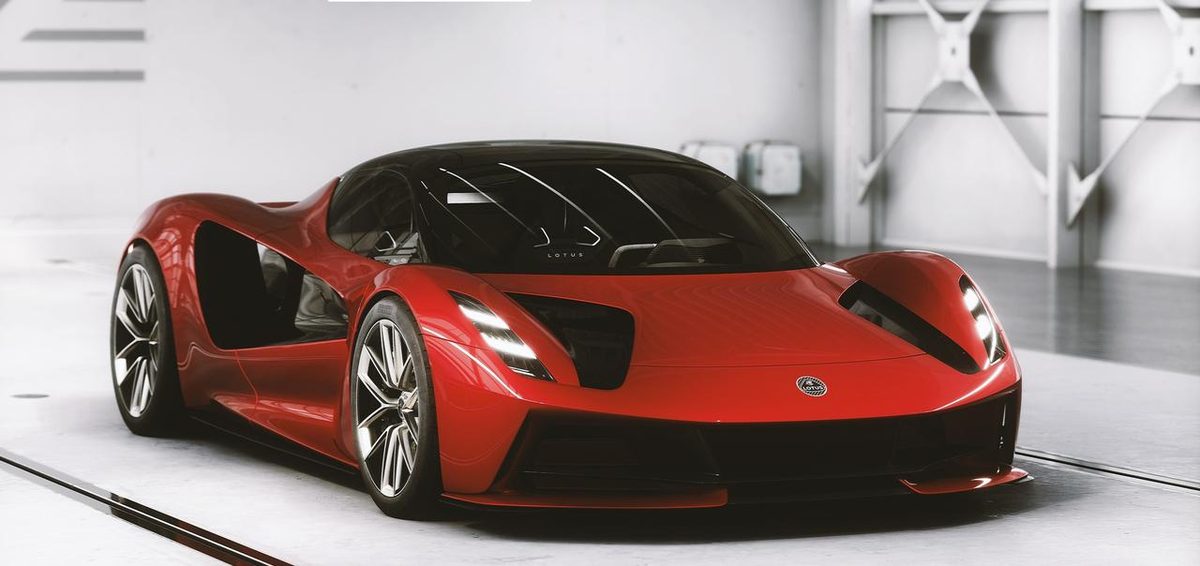
Lotus dropped a bombshell in July. The Evija isn’t just another electric concept. It is a fully realized hypercar with a price tag that will make your wallet weep. One point seven million euros before options. Before taxes. And they sold out the first 130 units immediately.
The brand plans to start deliveries this summer. But for now, future owners are stuck waiting. To kill the boredom, Lotus built a custom configurator. It is not your typical web-based paint picker. This is high-end tech disguised as a sales tool.
Ray Tracing for Real-World Lighting
The interface runs on a touchscreen. It uses rendering techniques borrowed straight from modern video games. The goal? Photorealism.
Customers can inspect the Evija from every angle. Inside. Outside. Everywhere. They can mix and match every available option. But the real trick is how the car looks in different environments.
Lotus implemented ray tracing. This is a computer graphics method that models the path of light to simulate realistic effects. You know that shimmer off chrome. The way sunlight hits a curved fender. The subtle refraction through a window. The simulator handles all of that.
Buyers can essentially predict exactly what their car will look like under the sun in their specific country. Pick a body color. Watch the light react. It is precise.
A Digital Souvenir Before Physical Delivery
When the customization process ends, you get a reward. A 360-degree video of your specific Evija configuration. It serves as a digital placeholder while you wait for the actual hardware.
There is more. Each owner receives a unique photo album. It documents the assembly stages of their specific vehicle. So you can watch it being built. You can see the hands that touched your machine.
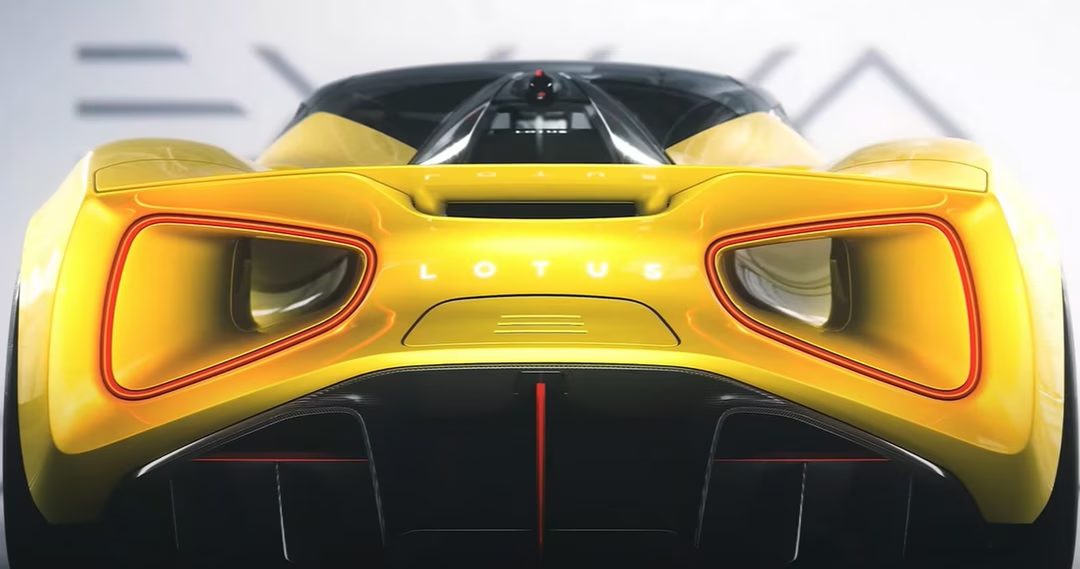
For the rest of us, Lotus shared a video showing off three distinct exterior colors. Black. Yellow. Red.
They all look incredible. The lines on the Evija are aggressive. The aero elements are pronounced. The colors just make them pop.
Raw Numbers on the Dashboard
Let’s talk specs. Because a pretty car with weak motors is just a paperweight.
The Evija is electric. It has four motors. They produce the equivalent of 2,000 horsepower. That is a staggering amount of power. Torque sits at 1,700 Nm.
Top speed? 320 km/h.
Acceleration is where it gets scary. Zero to 100 km/h happens in under three seconds. That is supercar territory. Hybrid hypercar territory. Almost formula one territory.
Range is estimated at 400 kilometers under the WLTP cycle. That comes from a battery pack holding 70 kWh of energy. The system delivers 2,000 kW of power.
Lotus claims this makes the Evija the most powerful production car in the world. Whether that title sticks depends on who is counting and when they announce their own monsters.
The technology behind the configurator suggests a level of care for the buyer experience that is rare at this price point. It acknowledges that you aren’t just buying a car. You are buying a piece of history. And you want to see it exactly how you want it before the metal hits the tarmac.
Waiting is hard. But looking at your car in perfect lighting on a screen? That helps. Until the keys actually arrive.

Lotus Evija: The 2,000 HP Electric Hypercar
Geely owns Lotus now. You know that. But the British brand’s return isn’t subtle. It’s loud. Violent. Electric.
The Lotus Evija isn’t just another EV. It’s a statement carved from carbon fiber and ambition. With a claimed output of 2,000 horsepower, Lotus is betting on one thing: raw, unadulterated power. Theoretically, this makes it the most powerful production car in the world. Before you fact-check that claim, remember: Lotus hasn’t started serial production yet. The specs are targets. Promises. But the design? That’s already real.
Look at the nose. Yeah, it borrows some attitude from the Ferrari SF90. But the rest tells a different story. Two massive air intakes carve into the hood, widen across the doors, and exit through huge LED-ringed vents at the rear. The rear view is where the Evija shines. It’s aggressive. Clever. Butterfly doors open with a remote click. No handles. Just sleek, uninterrupted surfaces. The mirrors? Retractable cameras. Discreet. Aerodynamic.
The aerodynamics aren’t an afterthought. They’re the point.
Breaking 300 km/h in under 9 seconds
Step inside. It’s futuristic but restrained. The floating center console dominates. Honeycomb patterns on the buttons? They repeat on the brake and accelerator pedals. Subtle detail work.
Now, the numbers. Four electric motors. All-wheel drive. 2,000 hp. 1,700 Nm of torque. That’s a lot of twist. To put that power down without spinning out, Lotus uses torque vectoring. Sophisticated stuff.
The claimed performance is staggering. 0 to 100 km/h in under three seconds. 0 to 300 km/h in under nine. Top speed? A modest-sounding 320 km/h. For a hypercar with double-digit horsepower figures, that seems low. But top speed isn’t the goal here. Launch control is.
Power comes from a 70 kWh battery capable of 2,000 kW discharge. That’s insane capacity. Range sits around 400 km under WLTP standards. More importantly, it supports 350 kW fast charging. Full charge in 18 minutes. That’s not just fast. That’s practical for a car costing nearly two million euros.
Speaking of price. You won’t be buying one with spare change from the couch.
Exclusive and Expensive
Lotus is keeping this rare. Only 130 units will ever be built. Production starts next year. The starting price? Around €1.7 million before tax and options. That’s a lot of money for a car you can’t see on the street yet. A car whose performance numbers are still aspirational.
But that’s the hypercar game. It’s not about utility. It’s about being the fastest. The loudest. The most expensive. The one everyone talks about but few will ever own.
Lotus wants to be that car again. The Evija is their shot.


