Families with more than two kids are stuck. The electric vehicle market is crowded with crossovers, but truly spacious options that don’t compromise on range are scarce. Peugeot tried with the E-5008. Now, Škoda is stepping in with a weapon designed specifically for chaos: the Peaq.
It’s a large SUV. It holds seven people. And it promises an ambitious range.
This isn’t just a rebranded hatchback. Škoda is targeting the shifting landscape of family transport. They want to kill the need for a gas-guzzling minivan or a bulky thermal SUV. The goal is efficiency without sacrificing space.
Design and Space Priorities
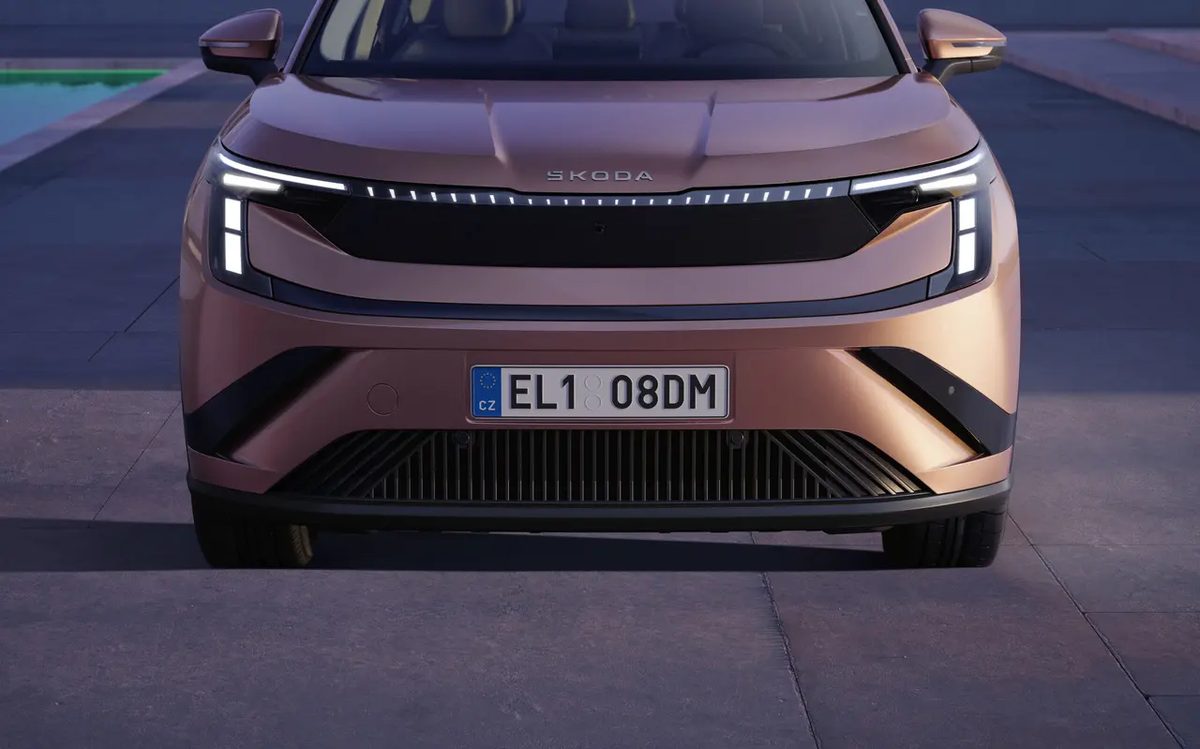
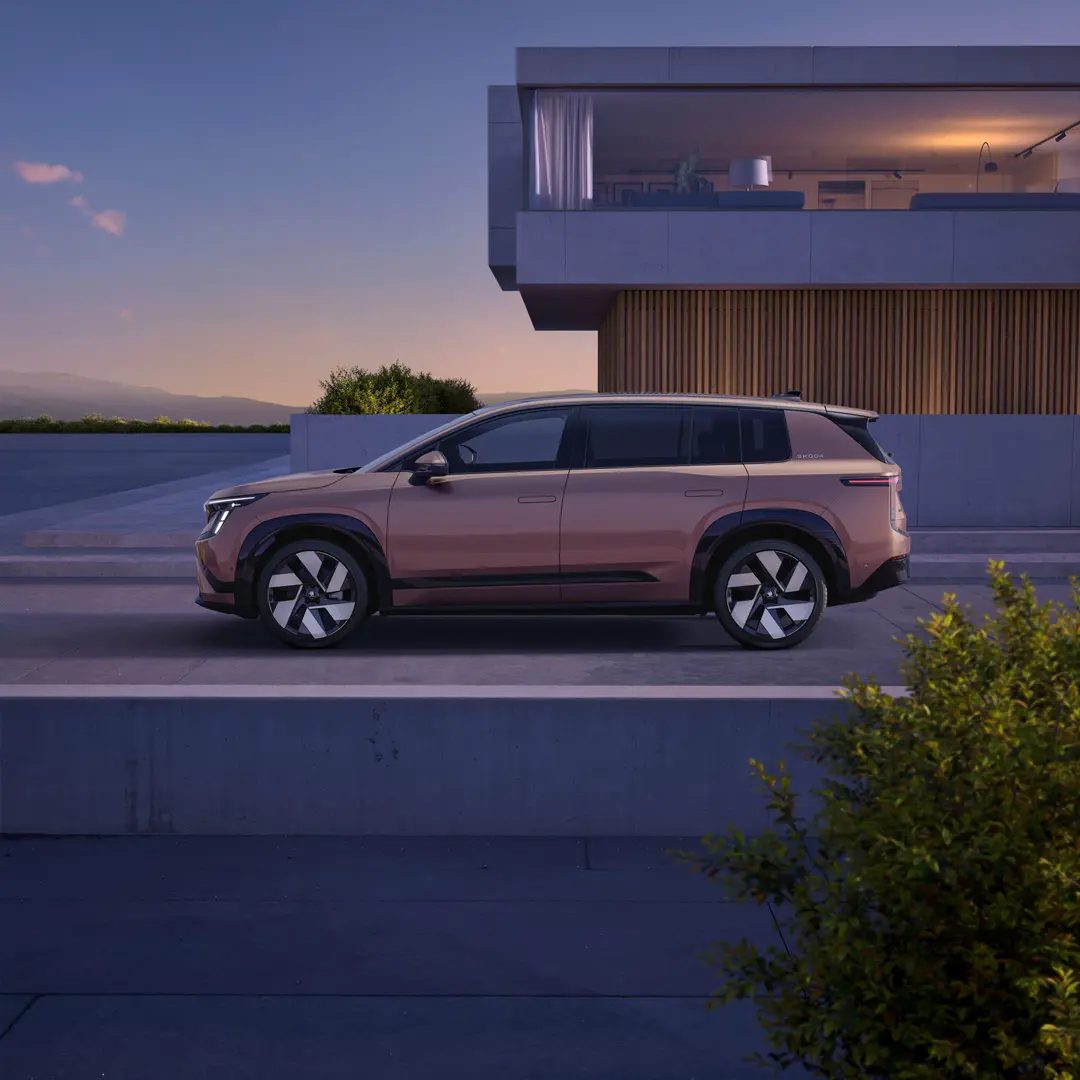
The Peaq stretches nearly 4.90 meters. That’s long. The styling follows Škoda’s new visual language. You’ll see the Tech-Deck front end. The signature lighting is sharper. The lines are taut.
There’s no exuberance here. The design is focused on aerodynamics and efficiency. It looks serious.
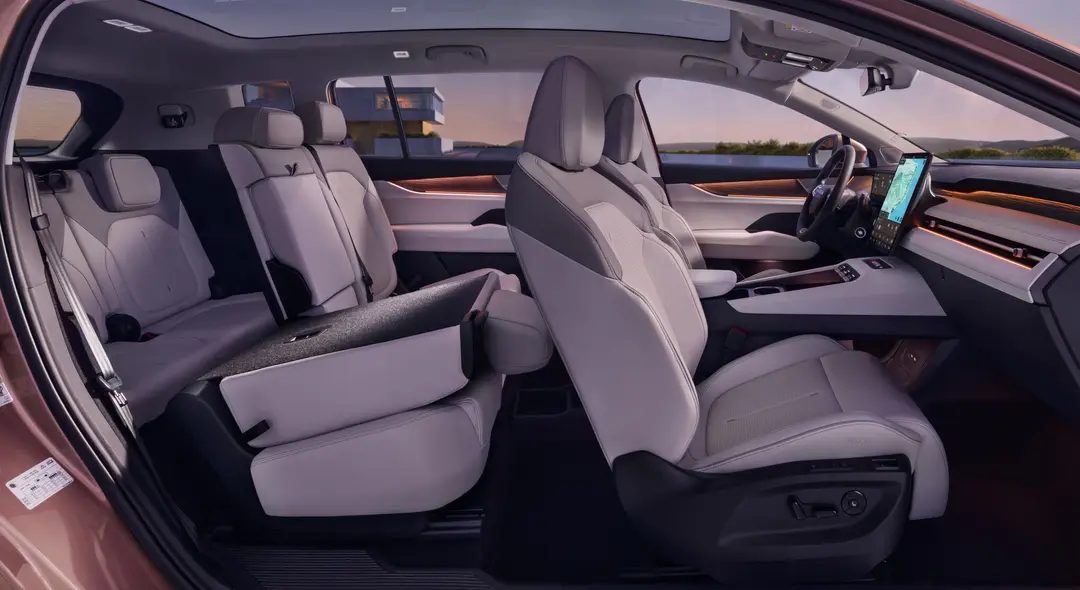
Inside, the priority is occupancy. Škoda is promising a seven-seat configuration. Real seating. Not folded-down luggage racks. The cargo volume is vast. And then there are the tricks.
“Simply Clever” solutions define the brand’s reputation.
You know the drill. Umbrella holders in the doors. Ice scrapers on the fuel lid. These small, practical touches matter when you’re hauling groceries, sports gear, and kids.
Under the Metal: MEB Evolution
The Peaq doesn’t use a fresh platform. It rides on an evolved version of the Volkswagen Group’s MEB architecture.
This is the same base that powers the Škoda Enyaq, the Volkswagen ID.4, and the Audi Q4 e-tron. But this iteration is upgraded.
The big headline is the 800-volt architecture.
Why does that matter? Charging speed.
Current 400-volt systems are fine for home charging. They’re okay for road trips if you plan ahead. An 800-volt system changes the equation. It allows for significantly faster DC charging. You spend less time plugged in. You spend more time moving.
This isn’t just about going electric. It’s about removing the friction of owning multiple cars. One vehicle. Seven seats. Fast charging.
The question is whether Škoda can deliver that range promise in real-world conditions. The hardware is there. The platform is proven. Now we’ll see if the execution matches the ambition.

The obvious counter-punch came in the form of the Peugeot E-5008. It just hit the European market. It targets the exact same family demographic. You want seven seats? Fine. You want zero emissions? Done. It’s the pragmatic choice. The logical downgrade from premium to mass market.
But Skoda isn’t playing in that lane.
They are aiming higher. Way higher.
Why the Peaq Targets the Model X Crowd
Let’s be honest about the Tesla Model X. It’s a tech showcase. It’s a status symbol. It’s also expensive. Painfully so. The price tag creates a barrier that leaves a lot of potential buyers hovering outside the showroom window, looking in.
Enter the Skoda Peaq.
It’s not trying to be the Peugeot. It’s trying to be the Tesla for people who value substance over screen real estate. The dimensions alone tell you where this car lives. It’s substantial. It occupies space on the road with a confidence that usually comes with a five-figure premium.
The technology stack is where things get interesting. We aren’t talking about basic infotainment here. We are looking at a level of tech integration that rivals the big players. The positioning is deliberate. It’s mid-size luxury, but priced for the rational buyer who still wants the futuristic flair without selling a kidney.
The Accessibility Factor
The core appeal of the Peaq lies in its accessibility. Not just in price, though that matters. It’s about accessibility of experience.
For years, if you wanted a large, electric, seven-seater with cutting-edge autonomy features, Tesla was the only game in town that mattered. The Model X offered falcon-wing doors and a suite of sensors that screamed “future.”
Skoda is offering a similar footprint. The cabin space is comparable. The electric powertrain promises similar ranges for the daily commute. But here is the kicker: you don’t have to sign away your freedom for decades to afford it.
“The Peaq could attract buyers who previously eyed the Tesla Model X, whose price tag remains significantly higher.”
This isn’t just a cheaper alternative. It’s a different proposition. It’s for the buyer who thinks about fuel efficiency but doesn’t want to drive a appliance. It’s for the tech enthusiast who wants the specs but hates the hype cycle.
Who is this actually for?
Think about the family that needs the third row. They look at the Model X. They calculate the interest rates. They do the math on the charging infrastructure. And they hesitate.
Now look at the Skoda Peaq. It has the space. It has the electric drivetrain. It has the tech. The only thing missing is the Tesla badge.
For many, that’s not a loss. It’s a liberation.
The competition isn’t just about horsepower or 0-60 times. It’s about value perception. The E-5008 is the safe bet. The Model X is the bold bet. The Peaq is the smart bet.
Does it have the brand cachet? No. But then again, do you really need it when the doors open like a spaceship and the range covers your entire weekend trip without a single plug in sight?
We’ll see how the market reacts
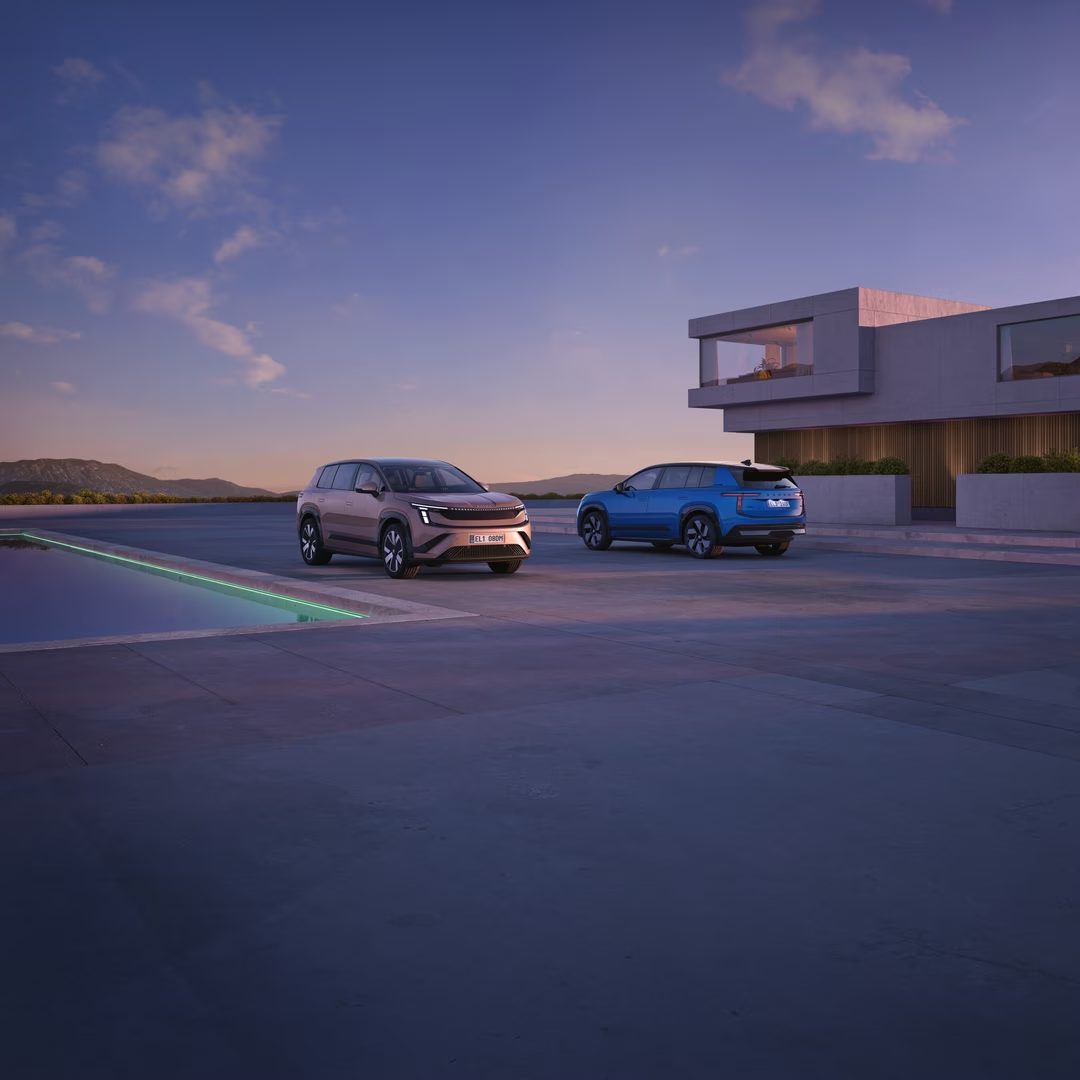
The specs are still a work in progress. Škoda is holding back the final numbers for now. But the outline is clear enough to gauge their strategy. They are targeting a WLTP range that surpasses 600 kilometers. That is a hard threshold for family buyers who refuse to plan every trip around a charging stop.
They are also emphasizing fast-charging capabilities. Not just any charging. We are talking about speeds that make long-distance travel viable without turning a road trip into a logistical nightmare. These two factors—range and recharge speed—are no longer nice-to-haves. They are the baseline for convincing a household to ditch gas for good.
The 7-Seater Electric Gold Rush
For years, the electric family vehicle was a compromised affair. You could have space. You could have zero emissions. You rarely got both in a package that didn’t feel like a rolling warehouse. That era is ending. The market is finally catching up to reality.
We are seeing a flood of large electric SUVs enter the fray. The segment is no longer empty. It is crowded. And it is getting competitive fast.
“The era of compromising on seats or cargo space in electric vehicles is over.”
Peugeot entered the chat with the E-5008. It offers three rows of seating and modern tech. Kia already has the EV9 on sale. It sets a high bar for interior space and off-road aesthetics. Hyundai is circling with the Ioniq 9, expected soon. It promises to rival the EV9 head-on.
Now, Škoda is adding its name to the list. The Škoda Peaq is the next piece of the puzzle. It fits directly into this growing cohort of seven-seater electrics. The demand isn’t hypothetical. It is measurable. Families want practicality. They want volume. They want electric.
Why This Segment Matters
This isn’t just about slapping a battery into an SUV chassis. It is about solving the “range anxiety” equation through capacity. A 600+ km range changes the math for long drives. It removes the stress.
Škoda knows this. They aren’t just building a car. They are building a statement. The Peaq will sit alongside the Peugeot E-5008, Kia EV9, and Hyundai Ioniq 9. Each manufacturer is trying to capture the same demographic. The one who gets the charging speed and range right first wins the family wallet.
The competition is no longer about who has the biggest trunk. It’s about who can get you home faster with less planning. The Škoda Peaq is positioning itself right there in the thick of it. We just have to wait for the final details to see if they can deliver.

There is one glaring variable missing. The price.
Skoda has always played the value game. They don’t win on flair. They win on utility and keeping costs down. If they apply that same logic to the Peaq, it could disrupt the segment. It might be the smart buy for practical families.
If the sticker shock hits though, it’s a different story. This isn’t a niche market.
Families are watching their wallets closely. They want space. They want tech. But they also want to avoid monthly payments that strain the household budget.
The competition is already entrenched. Established players hold strong positions here. Performance matters too, but usually only up to a point. Most buyers aren’t looking for a track day car. They’re looking for reliability and efficiency.
How does Skoda price the Peaq to beat them? That’s the real question. If they misstep, they’ll be fighting an uphill battle against brands with deeper roots and loyal followings.
It’s a tightrope walk. Value drives sales. But price sensitivity kills margins.
The Budget vs. Performance Trade-off
Shoppers in this segment are calculating hard. They compare fuel economy against cargo space. They weigh maintenance costs against initial purchase price.
Skoda’s reputation is a double-edged sword. It attracts pragmatists. It also sets low expectations for luxury features. The Peaq needs to bridge that gap without raising the price tag too high.
If the pricing is aggressive, it becomes the obvious choice. If it’s too premium, it gets ignored.
The market is crowded. Families know what they want. They just need a reason to choose Skoda over the incumbents.
That reason usually comes down to one number. The final cost of ownership.