



Every year, the automotive industry engages in a silent but fierce war for a specific crown. It isn’t about horsepower. It isn’t about zero-to-sixty times. It’s about the single most important metric in the business: the title of the best-selling vehicle in the world. This top spot matters because it reflects more than just bragging rights for marketing teams. It acts as a raw snapshot of what people across the globe actually buy, drive, and rely on for their daily lives.
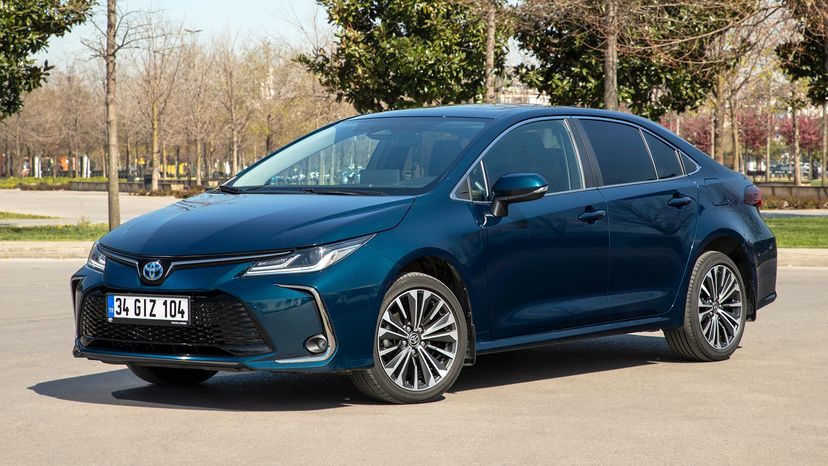
When you look at the data, one name keeps showing up at the top of the leaderboard. It’s not a flashy electric SUV. It’s not a rugged pickup truck (at least, not in this specific global count). It’s the Toyota Corolla.
Why the Toyota Corolla Is the World’s Best-Selling Vehicle
If you are trying to understand how the Toyota Corolla maintains its status as the best-selling vehicle in the world, you have to look beyond the showroom floor. The Corolla isn’t loved for its emotional appeal. It’s bought for its reliability, its low cost of ownership, and its sheer ubiquity.
Let’s look at why this specific model continues to outsell its rivals.
1. Global Availability and Market Penetration
The Corolla is sold in nearly every major market. That includes North America, Europe, Asia, and increasingly, emerging markets in Africa and South America. Unlike some models that are designed primarily for the American suburban driveway, the Corolla is engineered to be a global citizen.
This wide availability means that when you ask, “Which car is the best-selling vehicle in the world?” the answer isn’t limited to a single region. It’s a true global phenomenon.
2. Reliability as a Selling Point
In a market where consumers are increasingly price-sensitive, reliability is king. The Corolla has built a reputation over decades that it will start every morning. It will get you to work. It will get you home. It won’t leave you stranded.
For the average buyer, this peace of mind is worth more than leather seats or advanced infotainment systems. It’s why the Corolla remains the best-selling vehicle in the world among practical buyers.
3. Fuel Efficiency and Running Costs
With rising fuel prices and a growing awareness of environmental impact, fuel efficiency is a major factor in car buying decisions. The Corolla, especially in its hybrid variants, offers impressive fuel economy. This makes it an attractive option for budget-conscious consumers who want to minimize their monthly expenses.
When you consider the total cost of ownership, the Corolla often comes out on top. Lower insurance rates, cheaper maintenance, and better resale value all contribute to its appeal.
The Competition: Who’s Trying to Dethrone the Corolla?
While the Corolla holds the top spot, it doesn’t have it easy. Several competitors are vying for the title of best-selling vehicle in the world.
Honda Civic
The Honda Civic is the Corolla’s closest rival. It offers a slightly more sporty driving experience and often boasts better interior space. However, it generally sells fewer units globally than the Corolla. Why? The Civic is slightly more expensive and doesn’t have the same level of global market penetration.
Volkswagen Golf
In

The Ford F-Series: America’s Heavyweight Champion
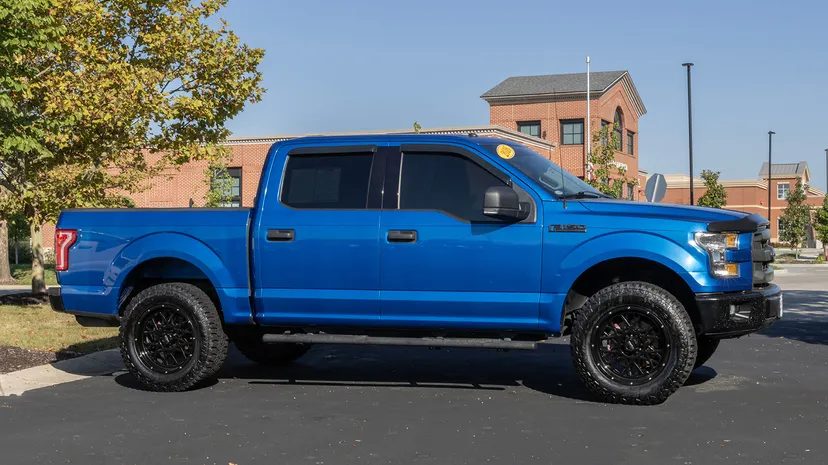
If the Corolla wins the race for total volume, the Ford F-Series owns the crown for consistency in its specific segment. It isn’t just a truck; it is an economic engine that has held the title of best-selling vehicle in the United States for nearly four decades.
The numbers are staggering. Since the modern era of sales tracking began, the F-Series has moved millions of units, primarily dominating the pickup market. Unlike the Corolla’s global spread, the F-Series’ power is concentrated. It thrives in rural America, construction sites, and suburban driveways where utility matters more than fuel economy.
Why does it persist? Because it does the job. Whether it’s the rugged F-150 Lightning bringing electric torque to the equation or the traditional gasoline V8s powering heavy loads, the brand offers a spectrum that no other American manufacturer has matched in scale.
In the first quarter of the latest tracked year, the F-Series continued to drive Ford’s sales figures. While Toyota might take the global title, Ford retains its grip on the North American heartland. The F-Series doesn’t just sell; it sustains. It proves that in a market increasingly obsessed with tech and sustainability, the need for a reliable, capable workhorse remains unchanged.
The question isn’t whether it will sell next year. The question is what kind of powertrain buyers will choose to fill the bed.

Toyota RAV4
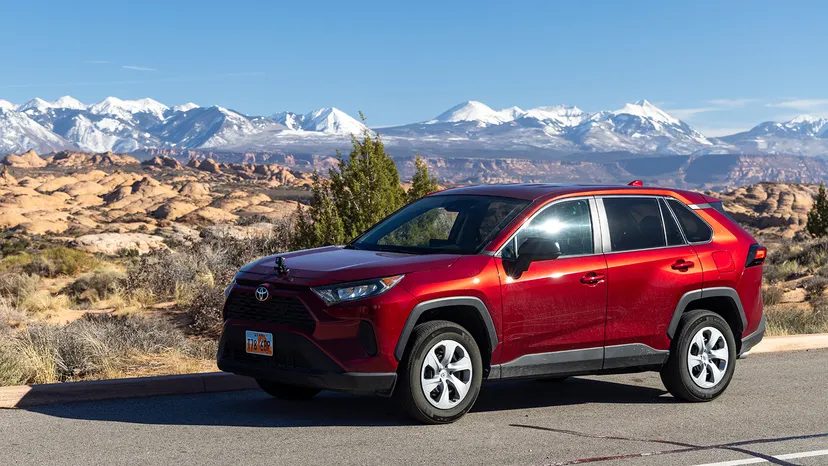
You don’t need a sales chart to know the RAV4. It’s everywhere. Park in any suburban lot from Seattle to Sydney and you’ll spot one. Maybe two. The Japanese automaker’s compact crossover has become a global phenomenon, consistently punching above its weight class against heavier, more expensive rivals.
The secret isn’t flashy design. It’s reliability. And torque.
While the F-Series relies on brute force and tradition, the RAV4 leans into versatility. It’s the default choice for families who need space but refuse to compromise on fuel economy. The hybrid variant alone shifts the entire narrative. You get Toyota’s legendary hybrid synergy drive, which smooths out stop-and-go traffic while keeping emissions low. That’s why it dominates in cities with strict environmental zones like London or Tokyo.
Performance-wise, it’s not built for canyon carving. It’s built for grocery runs, school drops, and weekend camping trips. The all-wheel-drive system engages automatically, sending power to the rear wheels only when slip is detected. It’s unglamorous. It works.
Sales data backs it up. The RAV4 frequently outsells its sedan counterparts, proving that SUVs have eaten the market. Consumers want ground clearance. They want a commanding view of the road. They want a vehicle that holds its value for ten years or more.
The RAV4 delivers that stability. It’s boring in the best possible way. You buy it knowing exactly what you’re getting. No surprises. No drama. Just a reliable machine that starts every morning.
Is that excitement? No. But is it practical? Absolutely. And in a market saturated with gimmicks, practicality wins. Always.
4. Tesla Model Y
The numbers don’t lie. In 2023, the Tesla Model Y didn’t just beat the RAV4. It dethroned it. For the first time in history, an electric vehicle became the world’s best-selling car of any kind. All vehicles. Sedans, trucks, SUVs. It all counted.
This wasn’t a niche win. It happened in China, Europe, and the U.S. simultaneously. The Model Y is a compact crossover. It looks like a lifted hatchback. It feels like a sedan. It seats five. The cargo space is deep, though not massive. The real trick is the tech.
Families are buying it for the range. Commuters are buying it for the charging network. Superchargers are everywhere now. That changes everything. You don’t need to plan your life around a plug. You just drive.
The RAV4 has hybrid options. The Model Y has no hybrid. It’s pure electricity. But the total cost of ownership often favors the Tesla. Lower fuel costs. Fewer moving parts. No oil changes. The insurance is higher, sure. But the monthly savings add up.
Which one wins for you? If you hate plugging in, stick with Toyota. If you want instant torque and over-the-air updates, the Tesla holds the crown. The gap is closing, but Tesla is still leading the pack.
The Model Y proved that EVs aren’t just for early adopters. They’re for everyone.
The battery tech keeps improving. Range anxiety is fading. Soon, the choice won’t be gas vs. electric. It’ll just be brand vs. brand. The Model Y is paving the road. The RAV4 is following closely.
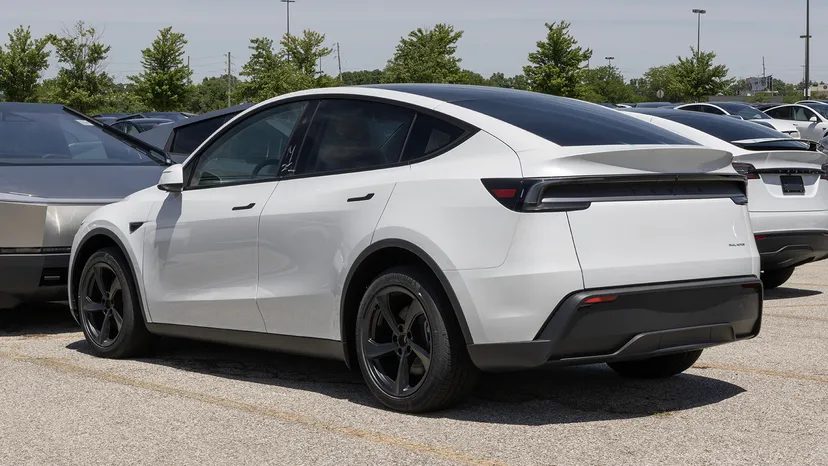
The automotive hierarchy just shifted on its axis. For the first time in recorded history, an electric vehicle claimed the number one spot on the global sales leaderboard. The Tesla Model Y didn’t just crack the top rankings; it shattered the glass ceiling, becoming the world’s best-selling vehicle in 2023. This wasn’t a narrow margin. It was the moment the electric era stopped being a niche curiosity and officially took the throne from decades of internal combustion dominance.
The Model Y’s run to the top was fueled by a trifecta of strong markets: Europe, China, and North America. Each region contributed to the volume, creating a global wave that no single gas-powered SUV had managed to ride so successfully. This success highlights Tesla’s unique operational advantage. They don’t just build cars; they track demand signals with ruthless precision and scale production to match. That agility turned Tesla into a global force, leaving legacy manufacturers scrambling to catch up.
While the EV crown goes to the redwood, the rest of the global sales charts still tell a story of entrenched loyalty and familiar habits. The internal combustion engine isn’t dead, but it’s certainly no longer the undisputed king.
5. Honda CR-V
Sitting at number five is a name that feels almost ancestral to the compact SUV segment. The Honda CR-V. It’s a vehicle that has defined what a sensible, reliable crossover should be for nearly three decades. In 2023, it held its ground against the electric surge, proving that for millions of buyers, the formula for success hasn’t changed much: space, reliability, and a price point that doesn’t require a second mortgage.
The CR-V’s position at number five is significant because it represents the “last stand” of the traditional ICE SUV before the tide turns more definitively. It’s a bestseller in its own right, moving high volumes in key markets like Japan and North America. But it’s also a reminder of what the industry is leaving behind. The engineering is mature. The costs are controlled. The risk for the consumer is minimal.
Yet, watching the Model Y overtake it in the global standings feels like watching a baton pass. The CR-V is still a fantastic car, don’t get me wrong. It’s practical. It’s dependable. But the Model Y isn’t just a car anymore; it’s a software platform on wheels, and that’s what’s capturing the imagination of the market. The CR-V sells to those who want a tool. The Model Y sells to those who want a statement. And in 2023, the market preferred the statement.
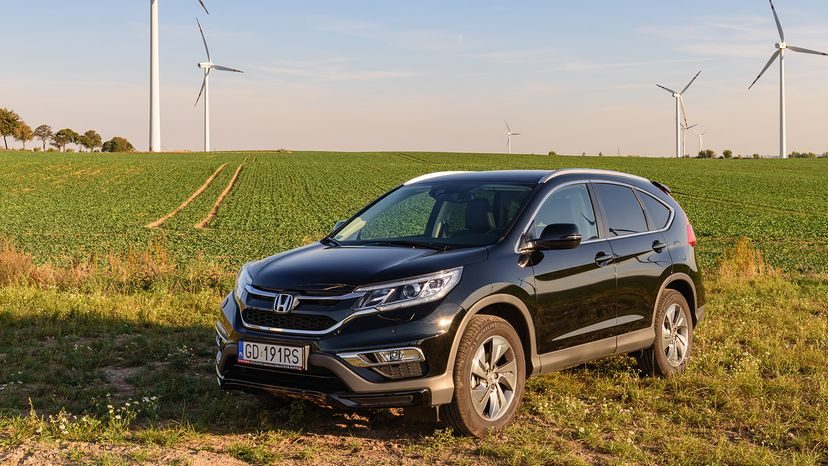
The Honda CR-V: A Global Volume King
The CR-V doesn’t just sell. It dominates. It sits firmly in the top tier of the best-selling cars on the planet, moving metal in Asia, the U.S., and Canada with relentless consistency. Why? Because it hits that sweet spot where comfort meets utility without demanding a premium price. You get ample cargo space, reasonable fuel economy, and a ride quality that doesn’t punish you on rough commutes.
Honda has kept the formula fresh by layering hybrid powertrains and stacking advanced safety tech onto the platform. It’s not about reinventing the wheel here. It’s about iteration. That approach has kept sales volumes high across multiple generations, proving that reliability is the most valuable feature of all.
6. Nissan Sentra
If the CR-V is the steady hand, the Nissan Sentra is the value proposition that refuses to die. It’s not the fastest compact sedan on the lot. It’s not the most luxurious either. But it’s everywhere. You see them in ride-share fleets, in college town parking lots, and in the driveways of people who just want to get from A to B without financial stress.
The Sentra has evolved from a basic economy runabout into something with a bit more style and tech. Recent iterations have traded the plastic-heavy interiors of the past for soft-touch materials and larger infotainment screens. Nissan leaned into a more mature design language, shedding the quirky edges for a sleeker, more cohesive look that actually appeals to buyers who might otherwise consider a Corolla or a Civic.
Under the hood, the switch to a naturally aspirated 2.0-liter engine paired with a CVT offers a smooth, if not thrilling, driving experience. It prioritizes fuel efficiency and low-end torque, making city driving less of a chore. For many buyers, the question isn’t “which compact sedan is best?” but “which one costs the least to own over five years?” The Sentra answers that with a shrug and a smile.
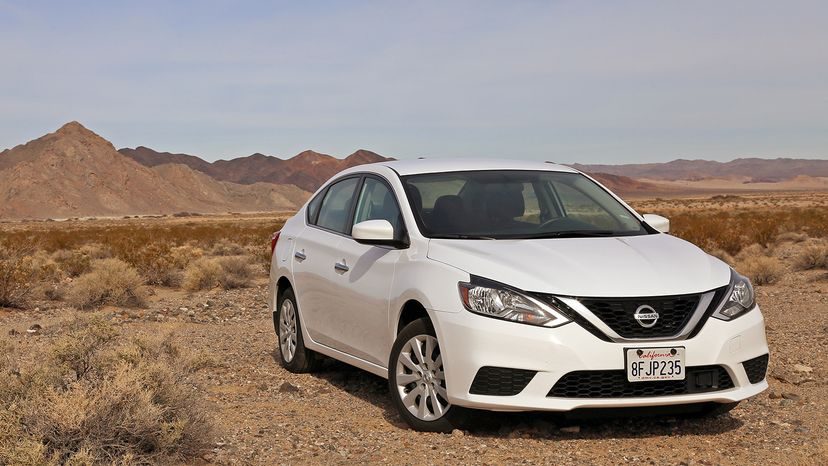
The Nissan Sentra doesn’t always sit on the throne. It’s not the flashy leader. But it’s everywhere. You’ll find it dominating streets in Latin America. It holds its ground in Asia. It’s a staple. A workhorse.
Yet ask about one in Europe? Good luck. The compact sedan is largely absent there.
Why the gap? Market tastes shift. Europeans prefer hatchbacks and wagons. The Sentra plays a different game. It’s about volume. Consistency. Nissan uses it to stay in the ring. The compact segment is crowded. Fierce. The Sentra is Nissan’s shield. Its shield against being pushed out.
It sells. Year after year. Not always at the top. But steady. Solid. Reliable numbers. That’s the strategy.
7. Volkswagen Golf
Then there’s the Golf. The benchmark. The one everyone compares themselves to.
It’s different.
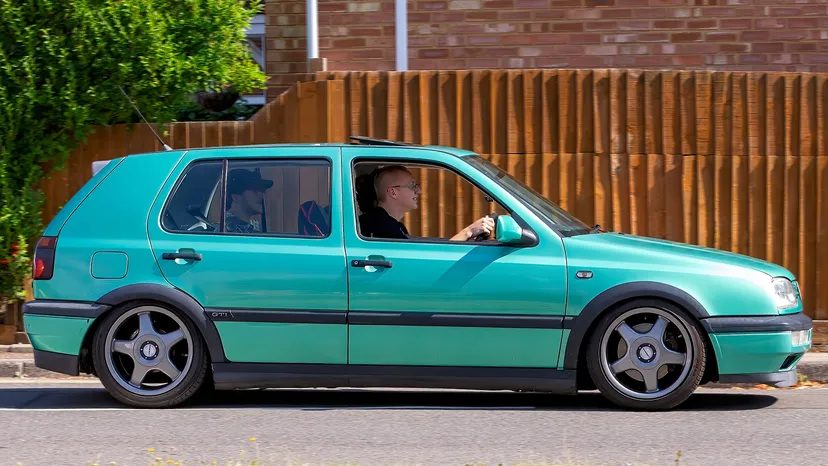
The Volkswagen Golf has lost its crown. For decades, it sat firmly at the top of European sales charts. Now, despite fierce pressure from electric and hybrid alternatives, it struggles to hold its ground. It is still a cultural touchstone in Germany and across the EU. You cannot discuss modern motoring without mentioning the Golf. But popularity and sales volume are not the same thing.
Recent global data tells a different story. The Golf has slipped out of the upper echelon of best-selling models worldwide. It is no longer the volume king it once was. Competition has shifted. Buyers want new powertrains. They want different shapes. The Golf remains iconic. It just sells fewer units than it used to.
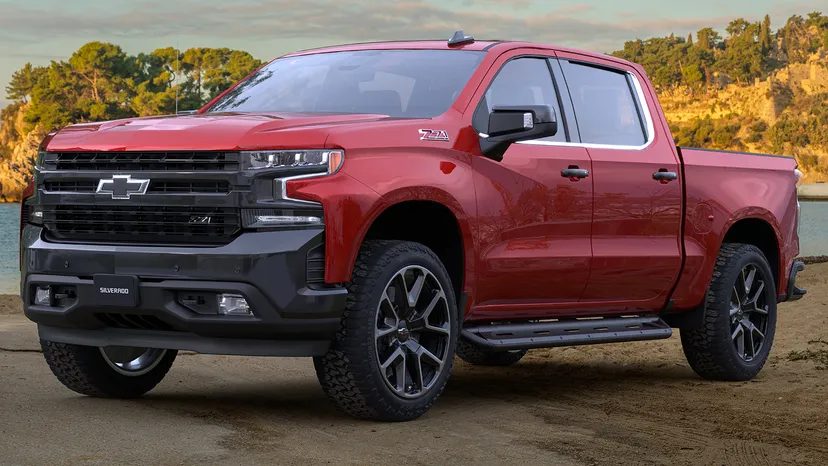
Chevrolet Silverado Sales
8. Chevrolet Silverado
The Silverado sits firmly in the American truck market. It competes directly with the Ford F-150 and Ram 1500. But the Silverado has carved out its own niche. It offers a range of cab configurations. Crew Cab. Double Cab. Short bed. Long bed. Buyers choose based on utility.
The Silverado is known for its durability. It handles heavy towing. It survives rough work. This reputation drives sales. It appeals to contractors. It appeals to farmers. It appeals to anyone who needs a reliable workhorse.
The truck market is massive in the US. The Silverado captures a significant share. It is not just a vehicle. It is a lifestyle. For many Americans, owning a Silverado is a statement. It signals capability. It signals strength.
Sales figures for the Silverado vary by year. They fluctuate with the economy. They respond to fuel prices. But the demand remains steady. The Silverado does not need to be the cheapest. It just needs to work. And it does.
The competition is tough. Ford pushes hard with the F-150. Ram offers luxury and tech. But the Silverado holds its own. It offers value. It offers options. It offers a proven platform.
Electric trucks are coming. The Ford F-150 Lightning. The Rivian R1T. The GMC Hummer EV. These vehicles challenge the status quo. But the Silverado has a head start. It has brand loyalty. It has a dealer network. It has years of refinement.
Will the Silverado lose its spot? Unlikely. Not yet. The transition to electric is gradual. The infrastructure is lacking. The range anxiety is real. For now, the internal combustion engine Silverado remains a top seller.
The Silverado’s success lies in its adaptability. It serves both the job site and the driveway.
This dual role ensures its relevance. It is not just a truck. It is a tool. And tools are always in demand.
The market is changing. Slowly. The Silverado adapts. It adds tech. It improves efficiency. It keeps pace. But the core appeal remains unchanged. Strength. Reliability. Utility.
Buyers know what they want. They want a truck that works. The Silverado delivers. It has done so for decades. It will continue to do so. Until the electric era fully arrives. And even then, hybrids may bridge the gap.
The Silverado is not perfect. It has quirks. It has flaws. But
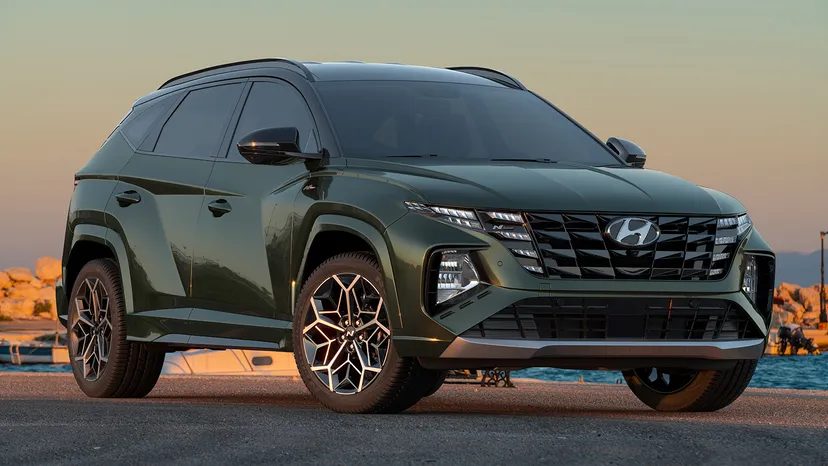
Hyundai Tucson
Ford F-150 sales are a different beast. The Silverado and GMC Sierra are locked in a tight battle for second and third place, keeping General Motors firmly entrenched in the North American market. They don’t lead. They don’t have to. Consistency is the play.
But look at the compact crossover segment and the game changes completely. The Hyundai Tucson has carved out a serious niche. It isn’t just another box on wheels. It’s a value proposition that hits hard against the Honda CR-V and Toyota RAV4.
Why does this matter for the broader market? Because the Tucson proves you don’t need to be a legacy auto giant to compete for the same wallet share. It’s about tech, warranty, and design language that actually stops people mid-scroll.
The sales figures here aren’t in the millions like the F-Series. But they’re significant enough to shift dealer incentives and force competitors to reconsider their pricing strategies. The Tucson sits in that sweet spot between economy and premium, offering features usually reserved for higher trims in rival models.
This isn’t just about moving metal. It’s about how Hyundai has redefined what buyers expect from a compact SUV. They’ve taken the boring equation of transportation and added a variable that forces the establishment to pay attention.
The result? A segment that’s no longer just about reliability and resale value. It’s about experience. And Hyundai is winning that argument, one Tucson at a time.
Does this mean the Silverado is obsolete? Obviously not. But the market is fragmenting. The days of a single dominant vehicle in every category are ending. The Tucson is proof that the middle class is looking for something else. Something sharper.
10. Mazda CX-5
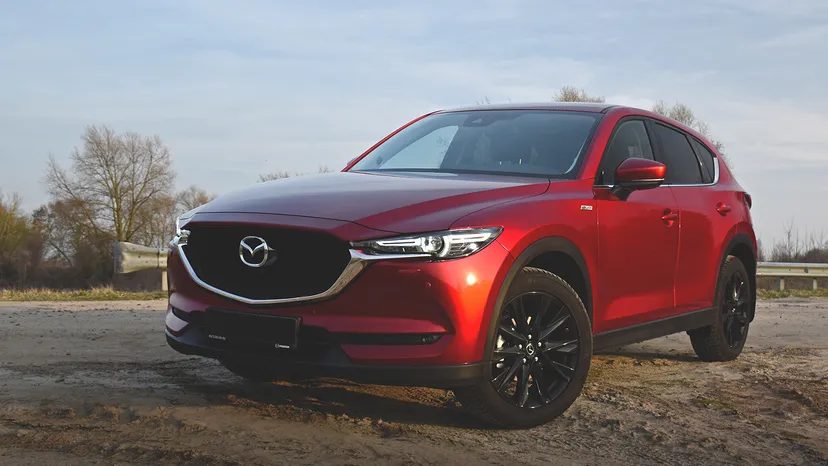
The CX-5 sits at a comfortable, if slightly crowded, intersection. It isn’t the fastest seller on the planet. It doesn’t shout about screen size or raw horsepower. But it holds its ground. Sales figures remain steady across major markets, driven by buyers who want something that drives like a car rather than a truck.
Hyundai’s momentum is undeniable, yet Mazda refuses to cede its niche. The CX-5 offers a different value proposition. You get refined interiors. You get Skyactiv technology that prioritizes efficiency without sacrificing the spark ignition feel. It’s a choice for the driver who still cares about steering feedback.
Why the CX-5 stays relevant
The market has shifted. Electrification is the headline. But the internal combustion engine isn’t dead yet, at least not in the compact SUV segment. Mazda leans into that reality. The CX-5’s appeal lies in its lack of compromise. It’s not the cheapest option. It’s not the most tech-heavy. But it feels solid.
In Europe, it competes directly with the Volkswagen Tiguan and the Nissan Qashqai. In North America, it battles the Honda CR-V and Toyota RAV4. The CX-5 doesn’t win on price. It wins on the driving dynamics. The G-Vectoring Control system adjusts torque subtly to keep the chassis flat through corners. Small detail. Big difference in daily commuting.
Tech and safety specs
Mazda plays it safe with technology. You won’t find a massive rotating screen in the center console. Instead, you get a functional layout. The infotainment system is intuitive. Apple CarPlay and Android Auto are standard. Over-the-air updates keep the software fresh.
Safety is where Mazda shines. The i-Activsense suite is comprehensive. It includes adaptive cruise control, lane departure warning, and blind-spot monitoring. These aren’t add-ons. They’re standard across most trim levels. That matters. When buyers compare the CX-5 to rivals, standard safety features often tip the scale.
Fuel economy and efficiency
The CX-5 offers both gasoline and hybrid powertrains. The gasoline models are efficient enough for most commuters. But the hybrid variant changes the game. It pairs a 2.5-liter four-cylinder engine with an electric motor. The system recaptures energy during braking. It reduces fuel consumption in city driving.
Real-world tests show the hybrid achieving upwards of 30 mpg in combined driving. That’s competitive. It’s not plug-in hybrid territory. You can’t drive 30 miles on electricity alone. But for those who can’t charge at home, it’s the next best thing. Lower emissions. Lower fuel costs. No range anxiety.
Where it stands globally
Sales data shows the CX-5 performing well in Asia. Japan remains its stronghold. But growth is happening elsewhere. Australia sees strong numbers. Europe is slowly warming up to the brand’s premium positioning. The CX-5 is priced slightly above mainstream rivals. It justifies that premium with build quality and design.
Mazda’s strategy is clear. Volume isn’t the only metric. Profitability matters. Customer satisfaction matters. The CX-5 keeps buyers in the ecosystem. Once you buy a Mazda, you’re likely to stay. The brand loyalty is real. It’s built on the promise that driving shouldn’t
The Quiet King of Compact SUVs
The Mazda CX-5 closes the lineup, but not because it’s an afterthought. It’s a heavyweight in places you might not expect. Strong sales in Japan, the U.S., and Australia keep the lights on. These aren’t just niche markets. They are the core of Mazda’s identity.
The appeal? A refined driving experience that doesn’t cost an arm and a leg. You get handling that actually engages the driver. At a price point that undercuts luxury rivals while beating volume kings on style. It works for first-time buyers who want something different. It works for loyalists who refuse to compromise on feel.
Global Best-Seller Status
Here is the twist. The CX-5’s global sales volume is small compared to the Toyota RAV4 or Honda CR-V. Thousands? No. Hundreds of thousands? Yes, but still a fraction of the mass-market giants. Yet, it remains Mazda’s best-selling model worldwide.
It’s a testament to brand loyalty. When you buy a Mazda, you buy into a philosophy. The CX-5 is the physical embodiment of Jinba Ittai — horse and rider as one. That concept doesn’t scale like a spreadsheet. But it sells cars.
“The CX-5 offers a refined driving experience at a competitive price, which appeals to both new buyers and returning Mazda fans.”
This isn’t just marketing fluff. It’s why the CX-5 holds its value. It’s why you see them on roads in Sydney, suburbs of Chicago, and winding roads in Kyoto. They drive better than they should for their price.
Fact-Checked Reality
We built this analysis using AI tools for data synthesis. But facts don’t auto-correct. A HowStuffWorks editor reviewed every claim. Every figure. Every comparison. No speculation. Just what’s true about a car that punches above its weight class.
The CX-5 proves you don’t need to be the biggest to be the most influential in your segment. Sometimes, being the best driver’s choice in a crowded room is enough.


