


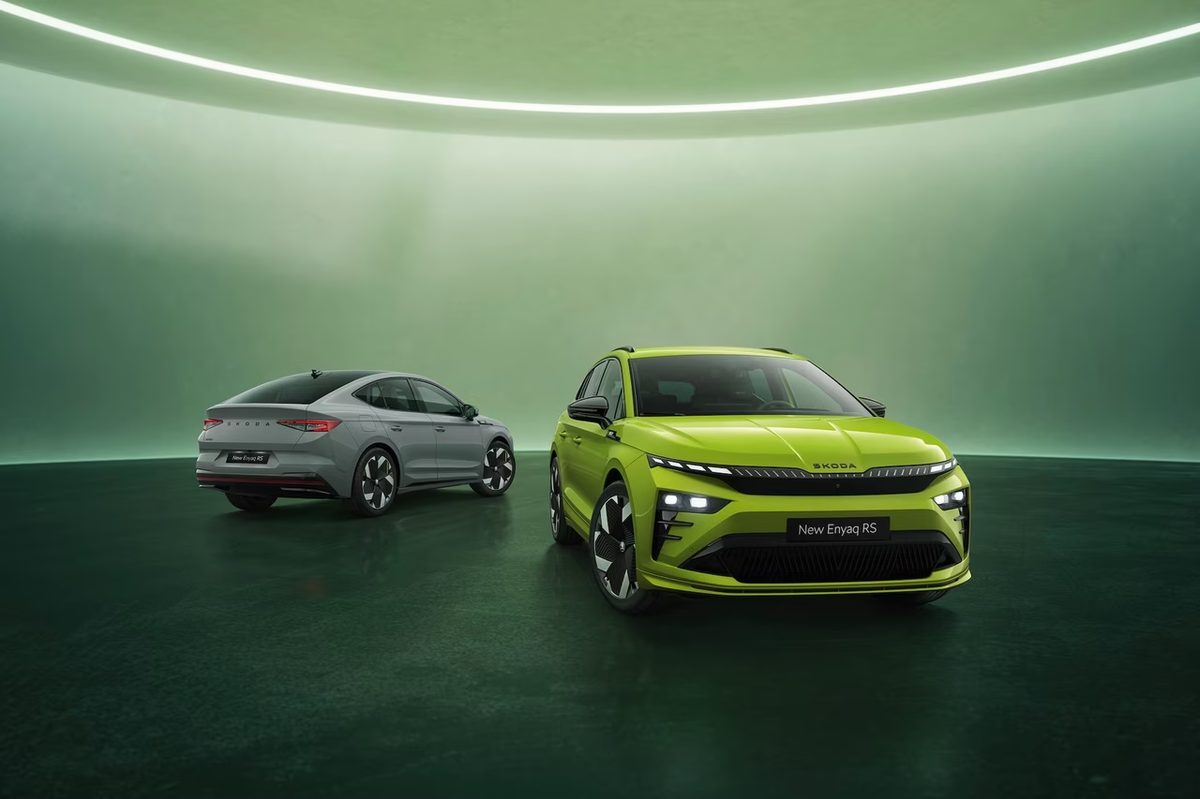
The 2022 coupe variant was a solid entry, but Skoda has clearly turned the dial up for 2025. The new Enyaq lineup is no longer just about practicality. It is now aggressive. Modern. Fast.
The Czech manufacturer is doubling down on the high-performance segment with the introduction of the Skoda Enyaq RS and the Enyaq Coupé RS. This isn’t a mild hybrid tweak. It is a complete overhaul designed for drivers who want real dynamics, not just efficiency.
Design and Power Upgrades
These new models shed any lingering “family hauler” stereotypes. The styling is sharper, more angular, and built for the current era of electric vehicle aesthetics. But the headline here is performance. Skoda is using this update to carve out a distinct identity in the crowded SUV market.
The goal is clear: seduce buyers who crave modernity and driving engagement. They are combining raw power with advanced tech to create a package that feels lighter on its feet than its size suggests.
Why This Matters Now
Electric SUVs often prioritize range over rhythm. Skoda is betting that enthusiasts are hungry for something else. The RS badging signals intent. It tells you that under the metal, there is a different kind of motor management, different suspension tuning, and a significantly quicker 0-100 km/h time.
“These models combine performance, sporty design, and advanced technology to appeal to a public seeking dynamism and modernity.”
The shift marks a strategic pivot. Skoda isn’t just selling utility anymore. They are selling an experience. One that rivals the established German sport sedans in spirit, if not in heritage.
What to Expect
The transition from the standard Enyaq to the RS variant involves more than just a sticker. We are looking at reinforced chassis components. Heavier-duty brakes. And motors that deliver torque in a way that defies the vehicle’s mass.
For those wondering how this compares to the previous generation, the difference is visceral. The 2025 update strips away the compromise. You get the practicality of a Skoda SUV without the bland driving dynamics that usually accompany it.
The market is watching. The competition is stiff. But Skoda is betting that the Enyaq RS will stand out by offering a genuine alternative to the usual suspects.
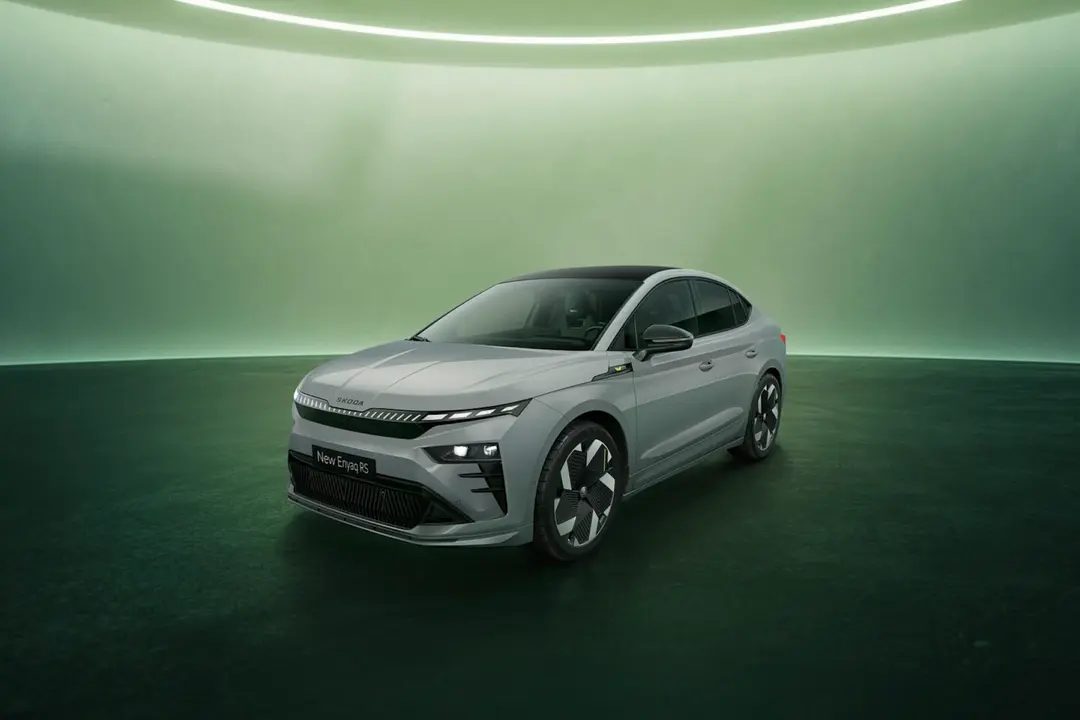

Les deux moutures de la gamme haute performance, Enyaq RS et Enyaq Coupé RS, partagent la même architecture motrice agressive. Derrière le capot se cache une configuration à double moteur électrique propulsant les roues avec une traction intégrale. Le système délivre une puissance cumulée de 250 kW, soit l’équivalent de 340 chevaux. Le résultat sur la route est net : le sprint de 0 à 100 km/h se conclut en 5,4 secondes. La vitesse de pointe est bridée électroniquement à 180 km/h, une limite plus que suffisante pour une SUV familial, même si les puristes pourraient regretter l’absence de mode performance plus ouvert.
La batterie Lithium-ion de 84 kWh constitue le cœur énergétique de la bête. Elle permet d’afficher une autonomie WLTP comprise entre 560 et 570 km. C’est un chiffre honnête pour ce segment, bien que les conditions réelles varient toujours selon le style de conduite. La recharge rapide DC supporte un pic de 185 kW. C’est efficace, mais loin du record absolu. Pour comparaison, une Tesla Model Y peut accepter jusqu’à 250 kW, ce qui laisse Škoda un peu en retrait sur la pure vitesse de recharge. Néanmoins, 185 kW reste largement compétitif pour un usage quotidien.
Design sportif et finition premium
Visuellement, la distinction entre une version RS et les autres modèles est immédiate. Škoda ne joue pas à cache-cache avec le style. La calandre emblématique Crystal Face devient une source de lumière grâce à son illumination intégrée. C’est une signature visuelle forte, surtout de nuit. Les jantes en alliage lourdes, proposées en 20 ou 21 pouces, occupent largement les arches de roue. Elles ne servent pas qu’à l’esthétique ; elles réduisent le poids non suspendu par rapport aux versions plus lourdes et améliorent la tenue de route.
L’habitacle suit la logique. On y trouve des sièges sport offrant un meilleur maintien latéral, essentiels lors des accélérations franches. L’infodivertissement repose sur un écran tactile de 13 pouces. L’interface est réactive, et les finitions soignées, avec des matériaux nobles, évitent l’aspect trop plastique parfois reproché aux véhicules du groupe VAG.
Le châssis sport n’est pas qu’une question de looks. La suspension est abaissée et calibrée pour réduire le tangage. Cela change radicalement la dynamique de conduite. La voiture reste plus plate dans les virages, offrant une sensation de précision et de contrôle que les versions standard ne peuvent égaler. C’est un équipement qui justifie pleinement le badge RS, transformant un SUV pratique en une machine plus engageante.
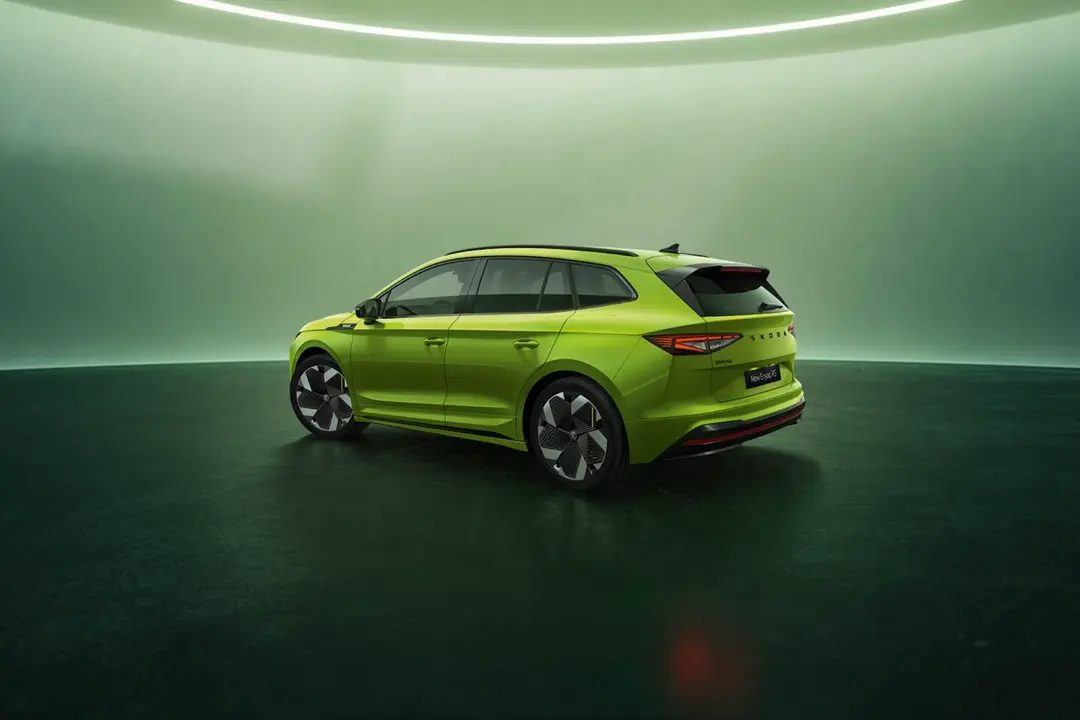
Why the Skoda Enyaq RS and Kodiaq RS Matter More Than You Think
Let’s cut through the marketing gloss for a second. When Skoda rolled out the RS variants for the Enyaq and Kodiaq, the industry held its breath. Would they sacrifice comfort for speed? Would the electric SUV feel like a toy, or would the plug-in Kodiaq feel like a trojan horse? The answer, surprisingly, is neither. It’s both. And that’s the trick.
Skoda has managed to thread the needle here. They’ve taken their reputation for practicality—those spacious boots, the user-friendly interfaces—and injected it with a genuine sporty temperament. It’s not just about faster lap times. It’s about engagement. For the enthusiast who still needs to haul groceries or kids, this is the sweet spot.
The Electric Arrow: Enyaq vRS
Start with the Enyaq vRS. This isn’t just a badge job. Skoda tuned the suspension to handle the extra torque without making the ride unbearably harsh. The dual-motor all-wheel-drive system delivers power with a linear surge that feels controlled, not jerky.
Think about the typical EV experience. Lots of instant torque, often accompanied by a detached feeling. The vRS changes that. The steering has more weight. The chassis sits lower, which lowers the center of gravity noticeably. You feel the road more, but it’s tuned to absorb imperfections rather than transmit every pebble.
“Skoda proves electrification can mean sportiness and driving pleasure without sacrificing the practicality and comfort the brand is known for.”
This matters because most EVs feel heavy. The vRS tries to mitigate that mass through precise tuning. It’s not a track weapon, but it’s agile enough to make your daily commute feel less like a chore and more like a drive.
The Combustion Counter-Attack: Kodiaq RS
Then there’s the Kodiaq RS. A sporty seven-seater? Sounds contradictory. But Skoda nailed it. Under the hood lies a potent punch from the petrol engine, paired with sharp handling dynamics that defy the vehicle’s size.
The RS badge on the Kodiaq isn’t just about looks. It’s about response. The throttle mapping is quicker. The transmission shifts with more intent. It’s a large SUV, yes, but it doesn’t feel like you’re piloting a boat. The chassis rigidity helps, and the suspension tuning allows for confident cornering without the excessive body roll that plagues many rivals.
Why does this combination work? Because it targets a specific demographic: families who refuse to compromise on soul. You get the seven seats for the weekend trips, the safety for the daily school run, but the joy of driving remains intact.
Practicality Meets Performance
Here’s the core of the argument. Why choose these models over a pure performance brand? Because daily usability is not a dirty word. The Enyaq vRS offers impressive range for a sporty package. The Kodiaq RS provides cargo space that rivals smaller non-SUVs.
Skoda hasn’t created a niche product. They’ve expanded the definition of what a family car can be. It’s not about being the fastest in a straight line. It’s about being the most engaging vehicle in its class.


