






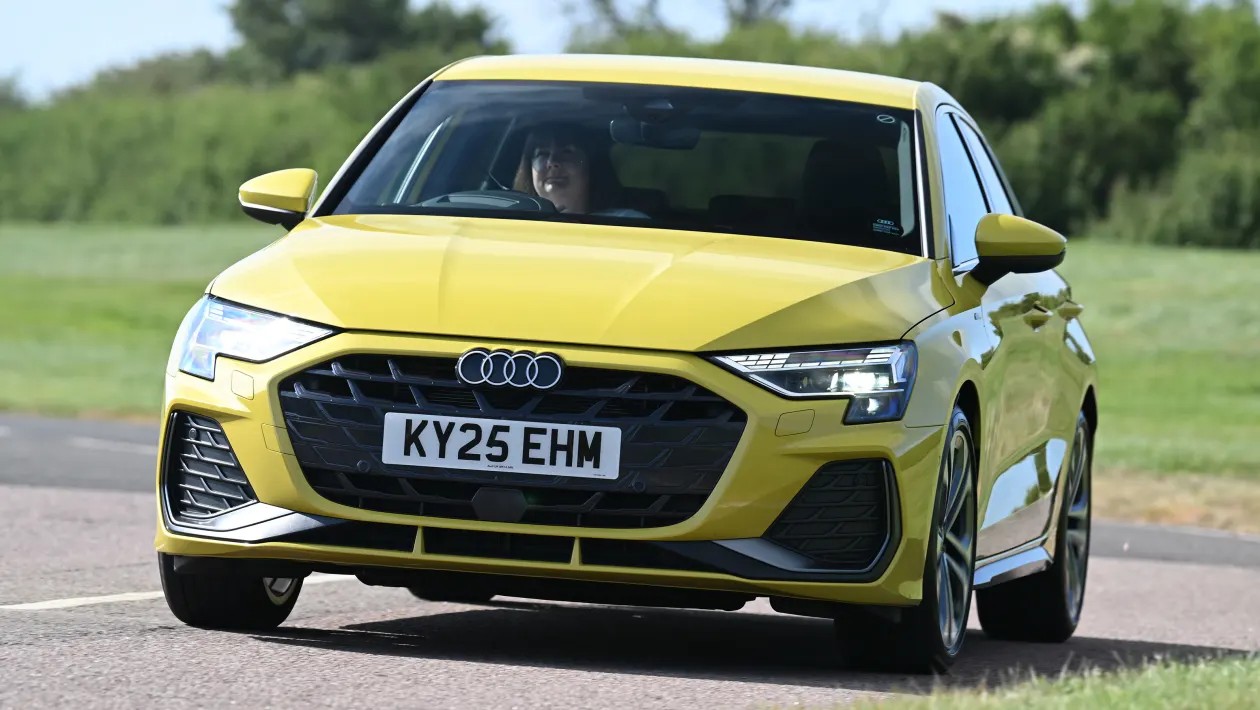
The Audi A3 remains a compelling choice in the premium compact segment, balancing desirable design with advanced technology and a generally strong driving experience. While the 2024 refresh was subtle, focusing on build quality improvements, it ensures the A3 stays competitive against rivals like the BMW 1 Series and Mercedes A-Class.
A Legacy of Premium Hatchbacks
First introduced in 1996 as Audi’s answer to the emerging Mercedes A-Class, the A3 quickly established itself as a leader in the premium hatchback class. The original model cleverly leveraged the reliable underpinnings of the Volkswagen Golf, adding a layer of polish and sophistication that set it apart. Now in its fourth generation, the A3 continues this tradition, though the high-end hatchback market has expanded with new contenders.
The current A3 utilizes the Volkswagen Group’s MQB platform, shared with models like the Golf, SEAT Leon, and Skoda Octavia. However, Audi distinguishes itself by doubling down on technology and high-quality materials, delivering a premium experience in a compact package.
Engine Options and Body Styles
The A3 offers a flexible range of engines, including petrol, plug-in hybrid, and diesel options to suit diverse preferences. Buyers can choose between the practical five-door ‘Sportback’ hatchback or the sleeker four-door saloon. The three-door hatch and Cabriolet previously available are no longer offered.
Prices for the A3 start just over £30,000, with trim levels including Sport, S line, and Black Edition. The plug-in hybrid TFSIe starts at just under £40,000 (Sportback only), while the performance-oriented S3 begins at just below £49,500. The high-performance RS 3, with 394 bhp, is priced around £62,500 in standard form.
Performance and Driving Dynamics
The A3’s wide engine range provides solid performance across the board. The base engines may feel somewhat unremarkable, but the more powerful options deliver engaging driving dynamics. The S3 and RS 3 variants are particularly thrilling, offering acceleration times of 4.7 seconds (0-62 mph) and 3.8 seconds, respectively.
The handling is generally competent, with the multi-link rear suspension in higher trims providing a better balance of comfort and control than the torsion beam setup in lower-spec models. The plug-in hybrid models, however, may feel less settled due to the added weight of the battery pack. The six-speed manual gearbox is available in select models but can be jerky at low speeds.
Interior and Technology
The 2024 refresh brought improvements to the A3’s interior, with higher-quality materials and a sharper design. The cabin features a 10.25-inch Virtual Cockpit digital display and a 10.1-inch central touchscreen, though the removal of the rotary controller makes infotainment operation less intuitive.
Standard features include LED headlights, dual-zone climate control, sat-nav, and rear parking sensors. Optional packages add features like a premium SONOS sound system, adaptive LED headlights, and a panoramic sunroof.
Running Costs and Depreciation
The A3 offers competitive efficiency, with the plug-in hybrid model boasting an 88-mile electric range. Diesel models can achieve nearly 60 mpg. However, the A3 is more expensive to insure than its VW Golf sibling.
Depreciation rates are slightly better than the Mercedes A-Class but lag behind the BMW 1 Series. The S3 and RS 3 models retain their value relatively well, though the RS 3 stands out, holding onto between 59 and 61 percent of its original price after three years.
Conclusion
The Audi A3 continues to be a strong contender in the premium compact market, offering a well-rounded package of style, technology, and performance. While not revolutionary, the latest updates refine an already capable vehicle, making it a practical and desirable choice for drivers seeking a premium experience without sacrificing everyday usability.