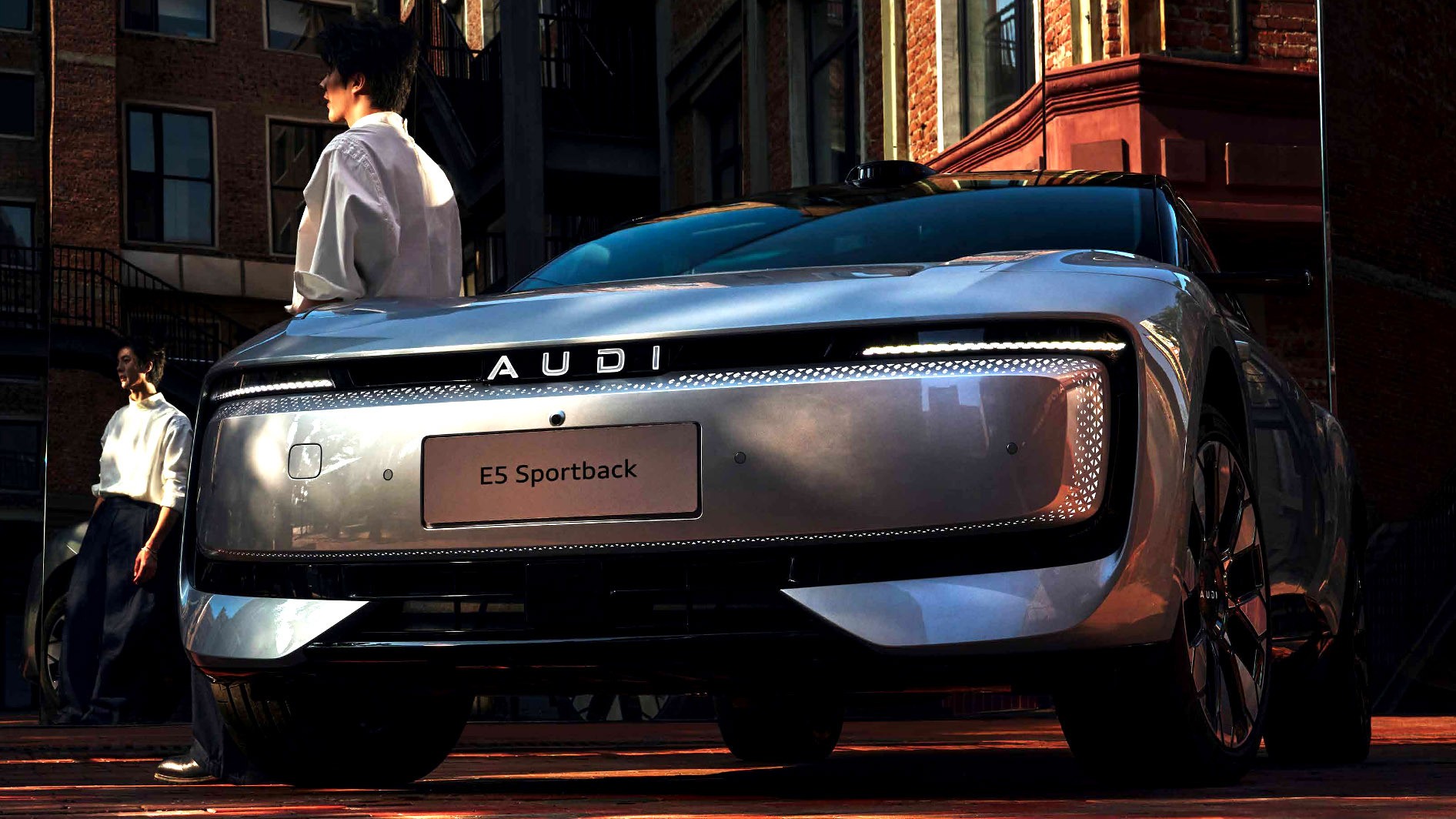
Despite facing significant headwinds in the Chinese market, Audi is accelerating its expansion through its specialized brand, AUDI. A new, deepened partnership with Chinese automotive giant SAIC aims to roll out a suite of new models and localized technology, signaling a high-stakes bet on the future of intelligent electric vehicles (EVs).
Expanding the AUDI Portfolio
The decision to expand the AUDI lineup comes at a critical time. While the brand launched its first model, the E5 Sportback, in 2025, it has faced challenges with sales and pricing pressure. However, rather than scaling back, Audi is leaning into a multi-model rollout:
- E7X Crossover: Set to make its debut at Auto China later this month.
- 2027 Mystery Model: A third vehicle is slated for release in 2027, which officials have hinted may be a “sporty limousine.”
- Future Pipeline: The collaboration with SAIC is expected to produce four additional models in the coming years, all built on the next-generation Advanced Digitized Platform.
Localized Innovation: The Shanghai Tech Hub
A cornerstone of this expanded agreement is the establishment of the AUDI Innovation & Technology Center in Shanghai. This center will not merely be an assembly or design hub; it is intended to manage the entire “value chain” of vehicle development.
The goal is to create products specifically tailored to the unique demands of the Chinese consumer. Key focus areas include:
– Intelligent Electrification: Developing EV technologies optimized for local infrastructure and preferences.
– Smart Cabins: Implementing AI-powered, immersive digital interiors.
– Advanced Driver Assistance Systems (ADAS): Creating software-driven safety and driving features designed for the Chinese market.
Why This Matters: The Battle for the “ICV” Era
This move highlights a broader shift in the global automotive industry. As the market transitions into the era of Intelligent Connected Vehicles (ICVs), traditional luxury brands can no longer rely solely on heritage and engineering. Success now requires deep integration with local tech ecosystems.
By partnering with SAIC to build a dedicated R&D center, Audi is attempting to bridge the gap between German luxury and Chinese digital speed. The company is essentially trying to “localize” its DNA to compete with domestic Chinese EV manufacturers who currently dominate the smart-cabin and software-driven segments.
“Our ambition is to remain a strong player in China through the ICV era,” stated Audi Chairman Gernot Döllner, emphasizing that the partnership is key to meeting the “evolving needs” of new customer groups.
Conclusion
Audi is choosing aggressive expansion over cautious retreat, betting that localized R&D and a diverse new lineup will allow it to recapture momentum in China. Whether these high-tech, China-specific models can overcome current sales struggles remains to be seen.