Audi has no immediate plans to bring its extended-range electric vehicle (EREV) lineup, currently slated for the Chinese market, to Australia. Despite increasing demand for hybrid technologies globally, the German automaker is prioritizing customer preferences in each region, and Australia isn’t yet showing strong interest in this specific powertrain option.
Market-Specific Approach
According to Audi’s global sales boss Marco Schubert, the company makes decisions based on local demand. While EREVs are gaining traction from Chinese automakers like Leapmotor, which already offers EREV models in Australia, Audi isn’t rushing to mirror this trend.
“We see the bigger demand… in China, where we have more range-extenders.”
This isn’t about technological reluctance; Audi is openly evaluating EREVs, but only if the market signals a clear need. The brand’s strategy is simple: deploy where consumers want it.
The Chinese Strategy
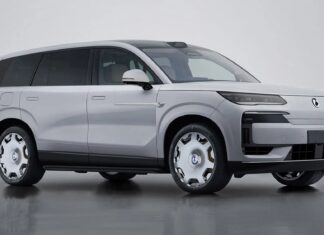
Audi has launched a separate, simplified brand in China – simply “AUDI” in all caps, without the iconic four-ring emblem – to compete in the hyper-competitive Chinese auto market. This move is a calculated response to the sheer volume of new car launches in China daily.
The AUDI brand has already achieved success there, winning a “Car of the Year” award, proving its appeal to Chinese buyers. However, Schubert stresses that these vehicles are “not homologated for outside China.” Meaning, for now, they’re exclusive to the Chinese market.
Why It Matters
This decision highlights the increasing segmentation of the global auto industry. Automakers now tailor product lines to individual regions rather than pushing a one-size-fits-all approach. China’s unique demands – driven by its massive market, regulatory environment, and consumer preferences – often necessitate specialized strategies.
This also raises questions about the future of EREVs outside China. While the technology has gained traction there, its global adoption remains uncertain. The success in China doesn’t guarantee demand elsewhere, and Audi will only move forward if consumers vote with their wallets.
Global Production Trends
It’s worth noting that many brands already sell China-made vehicles in Australia, including Kia, Hyundai, Mini, Cupra, Lotus, Tesla, Polestar, and Volvo. Audi’s approach is therefore not unprecedented. Yet the company is choosing to keep its Chinese-market EREVs separate for now, demonstrating a cautious approach to global product rollout.
Ultimately, Audi’s decision reflects a pragmatic strategy: focus on where the demand is strongest, even if it means leaving certain markets waiting. The company will continue to evaluate the global EREV landscape, but Australia won’t see these models anytime soon unless consumer interest shifts dramatically.