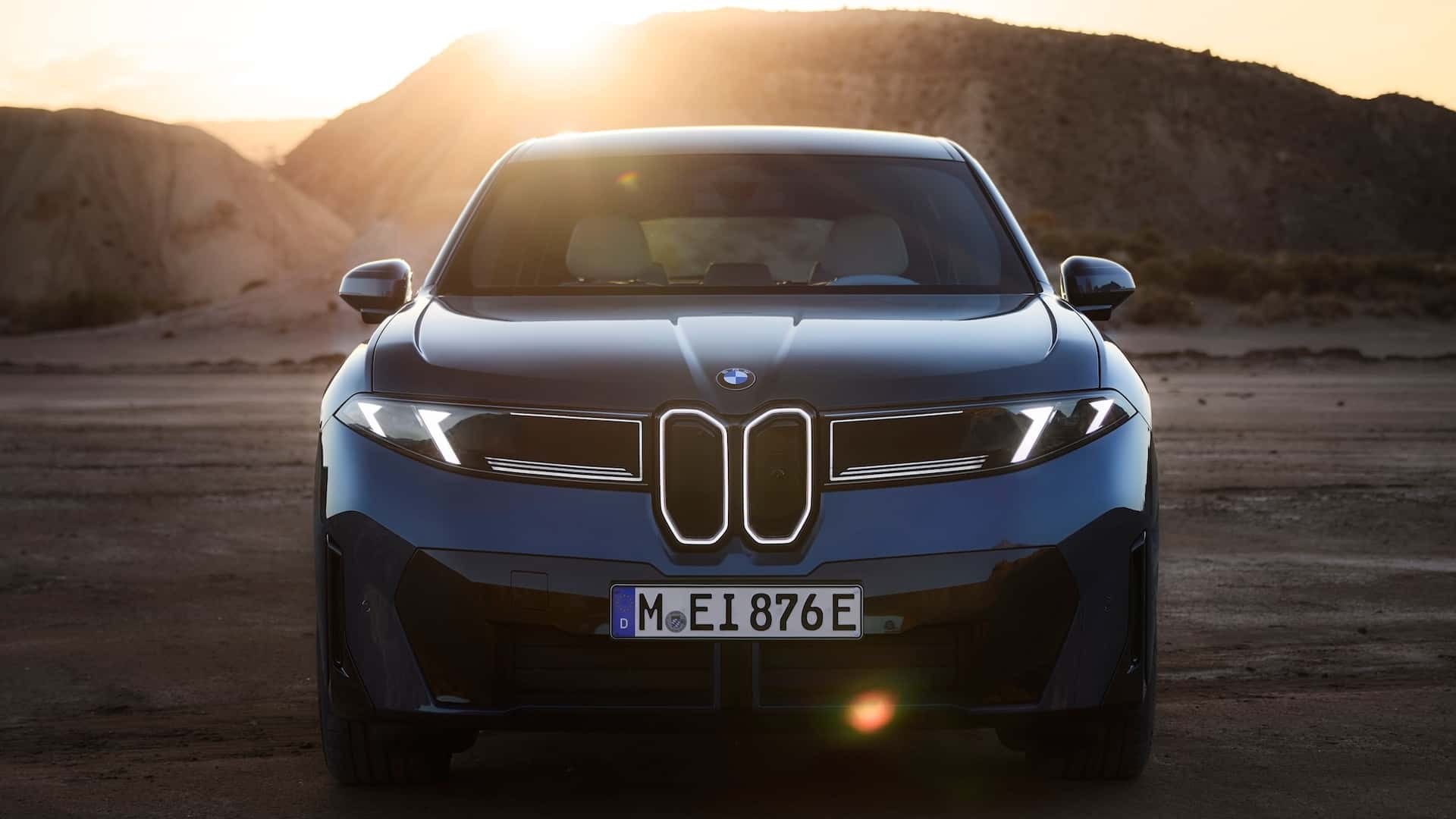
BMW Group has set a clear target: achieve equal sales volume for electric vehicles (EVs) and traditional gasoline-powered cars within the next four years. This ambitious goal comes as the automotive industry navigates a complex transition, balancing consumer demand, infrastructure limitations, and global market variations.
The Current Landscape: Slow but Steady Growth
Currently, EVs represent roughly 17.9% of BMW’s total sales. While other manufacturers initially rushed toward all-electric timelines, only to later adjust their plans, BMW has maintained a more pragmatic approach. The company recognizes that a one-size-fits-all EV solution doesn’t exist, given differing regional regulations, charging infrastructure availability, and consumer preferences.
Despite this, BMW is heavily invested in electrification. Over €10 billion has been allocated to the “Neue Klasse” platform – the largest investment in company history. These funds are not exclusively for EVs; part of the budget is dedicated to the next-generation iDrive infotainment system. However, electric powertrains remain the primary focus.
Neue Klasse: The Foundation for Growth
The upcoming Neue Klasse platform, debuting with the 2026 iX3, features next-generation motors, battery technology, and a new production facility in Debrecen, Hungary. BMW is also expanding its high-voltage battery assembly capabilities to support increased EV production. The goal is clear: reach 50% EV sales across the BMW, Mini, and Rolls-Royce brands by 2030.
Progress to date is already visible. EV sales have climbed steadily from 4.1% in 2021 to 17.9% in 2025, demonstrating significant momentum even before the full rollout of Neue Klasse models. The new iX3 has already secured over 50,000 pre-orders in just six months.
Expanding the EV Lineup
BMW plans a rapid expansion of its EV portfolio. Upcoming models include the i3 sedan (arriving soon), the iX5 (later this year), and the larger iX7 (due in 2027). The company intends to build at least six electric SUVs in Spartanburg by the end of the decade, with potential additions like an electric iX6 and a rugged SUV competitor to the Mercedes G-Class.
More critically, BMW is considering more affordable EV options below the iX1 crossover, including a possible i1 hatchback and i2 sedan. Existing models will also receive Neue Klasse upgrades, further accelerating the transition.
The Reality Check
While BMW’s commitment is evident, achieving 50% EV sales by 2030 will be challenging. The company acknowledges this, noting that external factors could introduce volatility. The United States, in particular, lags behind Europe in EV adoption, with EVs accounting for only 7.8% of total sales versus 19.5% in Europe. Reaching global parity requires overcoming these regional disparities.
The 2030 target remains ambitious, but BMW’s realistic approach and substantial investment position it for success in the evolving automotive landscape. The path forward is not without obstacles, but the company is clearly determined to meet its electrification goals.