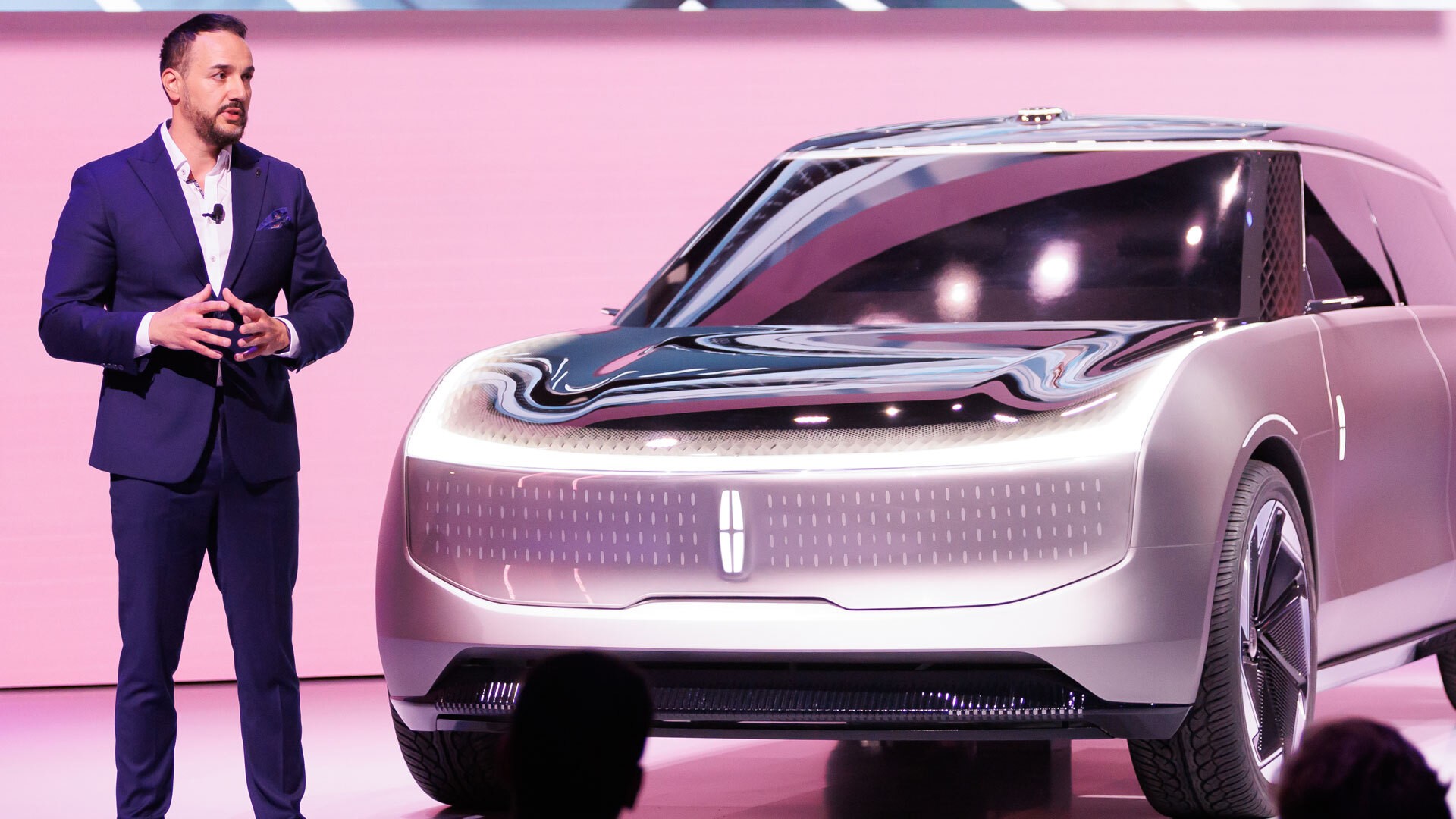
McLaren Automotive is signaling a major shift in its creative direction by appointing Kemal Curic as its new Chief Design Officer. Curic, a veteran of the automotive industry with a heavy emphasis on both performance and luxury, is tasked with defining the visual identity of the McLaren brand for its next era.
From Ford Performance to McLaren Luxury
Curic joins the Woking-based supercar manufacturer following an extensive and high-profile career at Ford and Lincoln. His background is a unique blend of mass-market reliability and high-end design prestige, which is critical as McLaren seeks to balance extreme performance with increasingly sophisticated luxury.
His professional trajectory includes several key milestones:
– Ford of Europe: Early career development working on foundational models like the Fiesta, Mondeo, and Kuga.
– Global Design Leadership: A move to Ford’s headquarters in Dearborn, Michigan, where he contributed to iconic projects, most notably the 2015 Mustang.
– Lincoln Luxury: Serving as the Exterior Design Manager for the Lincoln Continental and later as the Head of Design for Lincoln, overseeing models such as the Zephyr, Nautilus, and Navigator.
– Performance Specialization: Most recently, he served as Ford’s Global Design Director of Performance Vehicles.
A Holistic Approach to Design
In his new role, Curic’s influence will extend far beyond just the “look” of the cars. He will be responsible for the entire aesthetic ecosystem of the McLaren portfolio, including:
– Exterior and Interior Design: Defining the silhouette and the driver’s cockpit experience.
– CMF (Colors, Materials, and Finishes): Curating the tactile and visual textures that define a luxury brand.
– Cross-Departmental Integration: Working alongside engineering and product strategy teams to ensure that design excellence does not compromise McLaren’s core identity of lightweight, high-performance engineering.
Why This Move Matters
This appointment is particularly significant as McLaren navigates a period of transition. As the brand moves toward potentially more diverse product lineups—including rumors of future SUVs—the challenge lies in maintaining the “emotional engagement” of a supercar while meeting the sophisticated expectations of the luxury market.
By hiring a designer who has successfully managed both iconic American muscle (Mustang) and refined luxury (Lincoln), McLaren is positioning itself to bridge the gap between raw, visceral performance and high-end, usable luxury.
Curic will be responsible for shaping the design vision and creative direction of the McLaren Automotive portfolio, ensuring the brand continues to define the highest standards in high-performance luxury.
Conclusion
By bringing in Kemal Curic, McLaren is leveraging deep expertise in both performance and premium aesthetics to refine its brand identity. This move suggests the automaker is preparing to evolve its design language to meet a more diverse, luxury-oriented global market.