Mercedes-Benz is aggressively expanding its electric vehicle (EV) lineup, and the upcoming C-Class EQ is a pivotal model. This marks the first time the brand has directly targeted the competitive mid-size EV segment – currently led by Tesla’s Model 3 – with an electric version of its best-selling saloon.
The Shift to Electric in a Key Segment
For years, Mercedes-Benz focused its electric efforts on premium vehicles like the EQE and EQS. The C-Class EQ represents a strategic shift, acknowledging the growing demand for EVs in mainstream luxury markets. This move coincides with similar efforts from rivals: BMW is set to unveil the i3 (electric 3 Series), while Audi plans an electric A4 E-tron in the coming years.
This competition is a clear sign that the EV transition is no longer limited to luxury buyers; it’s now reaching the heart of the volume market.
Early Impressions from Prototype Testing
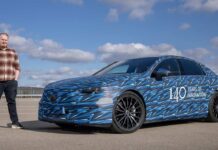
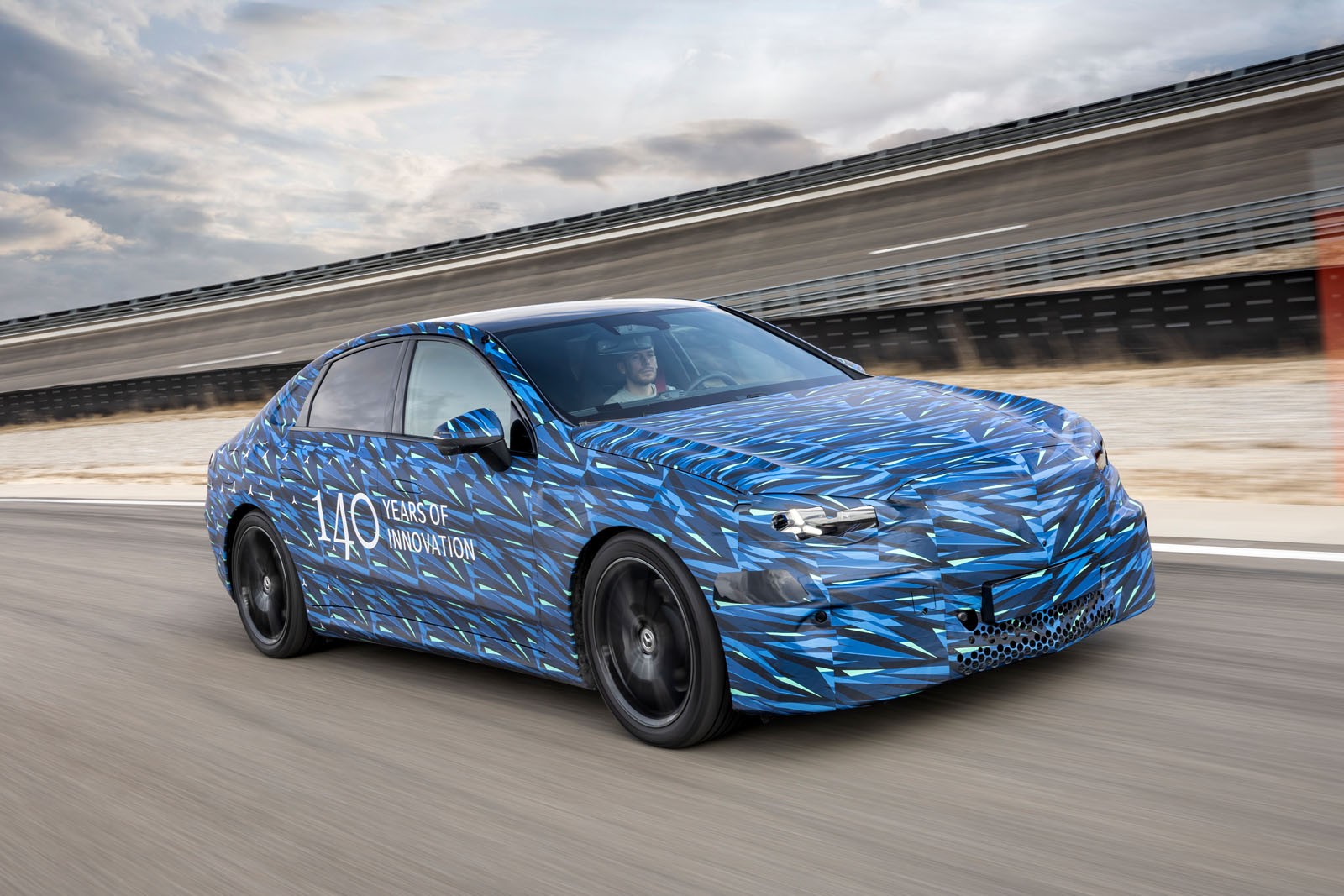
Autocar recently gained exclusive access to a development prototype at Mercedes’ Immendingen proving ground in Germany. While heavily disguised, key design changes are apparent: a more upright front end, a lower ride height, and a steeper rear window angle likely optimized for aerodynamics. The interior benefits from a longer wheelbase and wider tracks, offering increased space.
Technical Details and Performance
The C-Class EQ is built on Mercedes’ 800V MB.EA architecture, enabling fast charging and efficient energy management. Battery options will range from 64kWh to 94kWh, with Mercedes claiming a range “beyond 435 miles” (approximately 700km).
Initial test drives highlight the car’s agility, minimal body roll, and strong front-end grip, enhanced by optional rear-wheel steering. Mercedes engineers aimed to replicate the C-Class’s trademark comfort despite the added weight of the electric powertrain.
Refinement and Handling
During testing on UK-like road surfaces, the prototype demonstrated impressive composure even over rough terrain. Road noise was effectively muted, and suspension tuning absorbed bumps with remarkable control. According to engineer Ewald Dirks, the goal was to ensure the EV feels “light on its feet” while maintaining the C-Class’s renowned comfort levels. The car offers a broader spectrum between sporty and comfortable driving modes compared to the internal combustion engine (ICE) C-Class.
“We wanted a car that feels light on its feet but still delivers the customary comfort of the current C-Class… There is also a much broader spread between the sportiest and most comfortable settings.”
– Ewald Dirks, Mercedes-Benz Engineer
The Future of Electric Saloons
Mercedes-Benz appears to have successfully translated the C-Class’s established dynamic qualities into an electric format. The C-Class EQ doesn’t just compete in the EV space; it seeks to redefine the expectations of what an electric saloon can be. This launch will reshape the landscape as the automotive industry transitions toward full electrification.