Volkswagen is attempting to fix a critical mistake in its electric vehicle strategy. After facing significant criticism for over-simplifying its interiors and removing tactile controls, the German automaker is launching the 2027 ID.3 Neo. This updated hatchback aims to reclaim the “true Volkswagen” feel by reintroducing the physical buttons and switches that drivers have long missed.
Listening to the Critics: A Tactile Interior
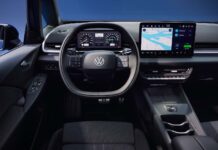
The most significant overhaul is not under the hood, but inside the cabin. The previous ID.3 generation was heavily criticized for its reliance on touch-sensitive surfaces, which often proved frustrating and unintactile during driving.
The ID.3 Neo addresses these usability issues through several key upgrades:
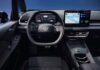
– Physical Controls: The center stack now features knurled, metal-style rocker switches for fan speed and temperature control.
– Dedicated Knobs: A volume knob has been added to the center console, and window controls have returned to the doors.
– Hybrid Interface: A larger 12.9-inch touchscreen is now supported by a row of physical shortcut buttons at its base to manage air direction and heated seats.
– Improved Steering Wheel: Volkswagen has replaced finicky touch-capacitive buttons with conventional tactile switches and introduced a new, flattened rim design.
By moving away from a “screen-only” philosophy, Volkswagen is acknowledging a growing trend in the automotive industry: while digital displays are essential, driver ergonomics still require physical feedback to ensure safety and ease of use.
Performance and Range Options
Underneath the updated styling, the ID.3 Neo offers a variety of powertrain configurations to suit different driving needs:
Battery and Charging
Drivers can choose between three battery capacities, which dictate both range and charging speed:
– 50kWh & 58kWh packs: Feature a 105kW DC fast-charge rate.
– 79kWh pack: Offers a much faster 183kW DC charge rate and a maximum range of up to 630km (WLTP cycle).
Motor Outputs
The vehicle is available with three different rear-mounted electric motors:
– 125kW, 140kW, and 170kW versions.
– Note: The high-output 170kW motor is exclusively paired with the largest 79kWh battery.
Design Evolution
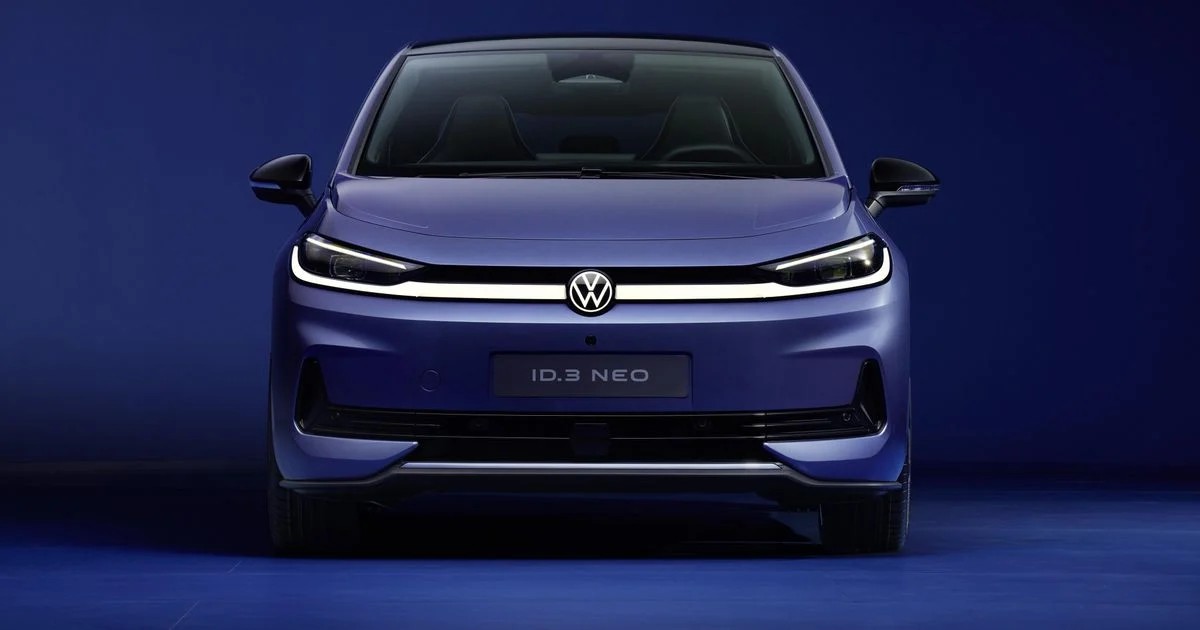
Visually, the ID.3 Neo retains the recognizable silhouette of the original—characterized by its tall body and short bonnet—but adopts Volkswagen’s new “Pure Positive” design language.
Key aesthetic changes include a restyled front end with a full-width light bar (reminiscent of the upcoming ID. Polo) and a body-colored roof, rear spoiler, and boot lid designed to give the car a more elongated, dynamic appearance.
New Tech and Functionality
Beyond the interior and exterior, the Neo introduces several modern EV features:
– Vehicle-to-Load (V2L): A 3.6kW output allows the car to act as a mobile power source for small appliances.
– Enhanced Driver Assistance: The “Connected Travel Assist” now includes traffic light recognition.
– Digital Ecosystem: An integrated app store for the infotainment system and a new one-pedal drive mode.
The Market Outlook
The arrival of the ID.3 Neo raises questions about Volkswagen’s long-term lineup, particularly for markets like Australia. While the ID.3 itself has not been officially released in Australia, its sibling, the Cupra Born, has previously held a spot in the market.
Furthermore, the ID.3 Neo sits in a transitional period for the brand. Volkswagen is currently developing a ninth-generation, fully electric Golf, expected around 2028. Until then, the ID.3 Neo serves as a vital bridge, attempting to stabilize Volkswagen’s EV reputation by blending modern electric performance with the practical, user-friendly design that defined its combustion-engine legacy.
The ID.3 Neo represents a strategic pivot for Volkswagen, moving away from experimental digital interfaces back toward the ergonomic, tactile driving experience that consumers demand.