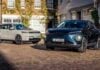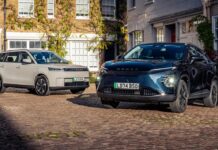


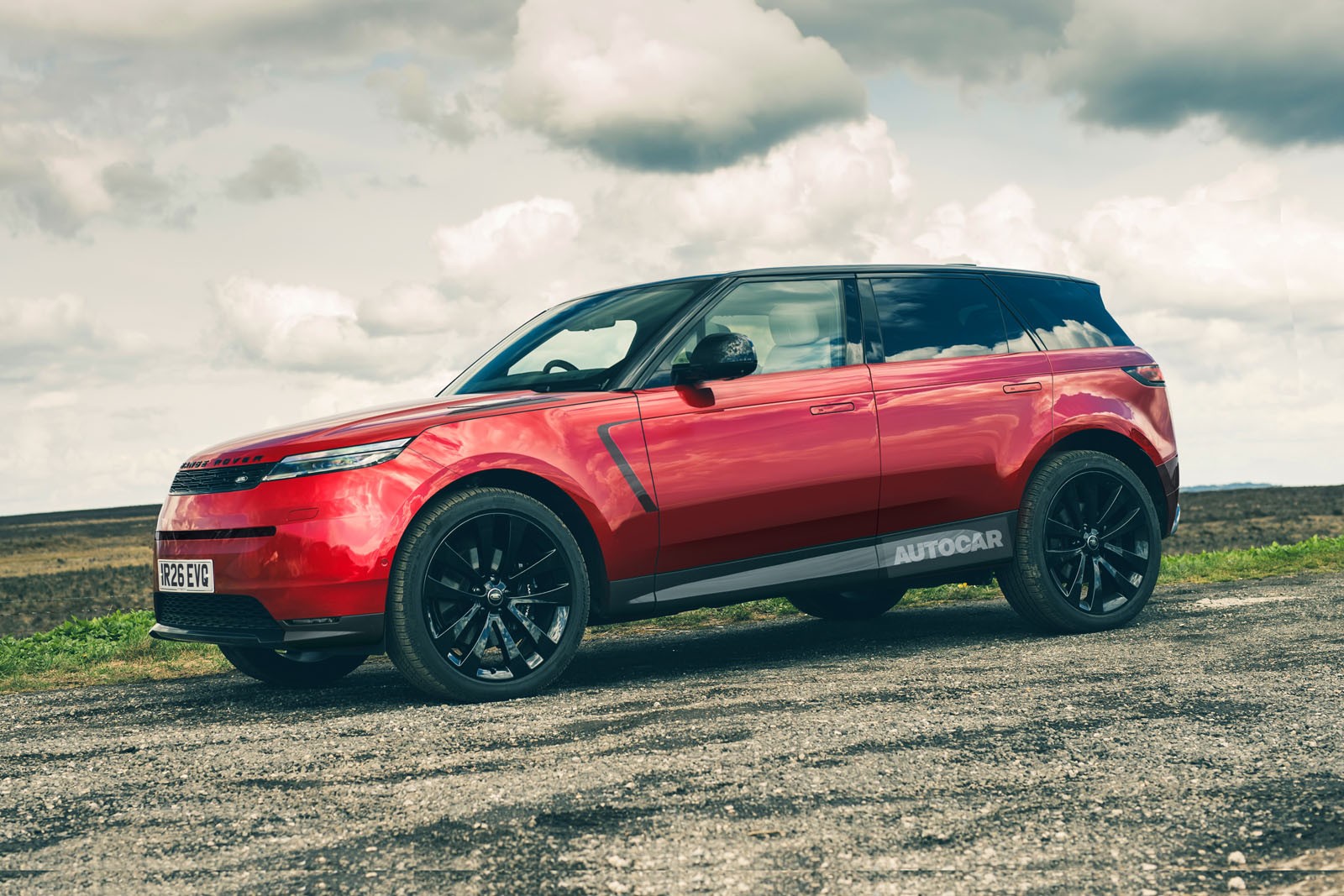
The Range Rover Evoque is set for a major overhaul with its third generation, transitioning entirely to electric power by the end of 2027. This move aligns with Jaguar Land Rover’s (JLR) broader plan to electrify its entire Range Rover lineup, marking a significant shift for the brand’s entry-level SUV.
The Electrification Strategy
The new Evoque will be built on JLR’s Electrified Modular Architecture (EMA) platform, first appearing in the redesigned Range Rover Velar next year. This platform is crucial for ensuring the Evoque remains competitive in the rapidly evolving EV market. The decision to go fully electric is seen as essential for sustaining the Evoque’s presence in the next decade and beyond.
Market Position and Demand
Despite the shift, the Evoque will retain its position as the most accessible model in the Range Rover family. Its popularity, especially in the UK—where it accounts for 40% of all Range Rover sales—makes it a vital part of JLR’s strategy. The move to electric is also influenced by a broader industry trend: while pure EV interest has cooled slightly, plug-in hybrids are experiencing a surprising surge in demand.
Technical Details
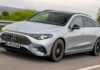
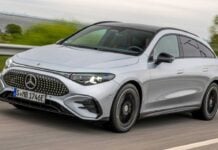
The EMA platform, designed with electric power as its primary focus, will feature in-house motors and batteries sourced from Tata’s new Agratas plant in Somerset, set to open in 2027. The 800V architecture will enable fast charging times. While specific powertrain details remain undisclosed, the Evoque will likely aim for a range exceeding 450 miles to compete with rivals like the Mercedes-Benz GLA EV. JLR is also considering electrified combustion engines as an option to meet demand for hybrid solutions.
Production and Timeline
The new Evoque will be manufactured at JLR’s Halewood plant alongside the upcoming ‘Defender Sport’. Deliveries are expected to begin in 2028, a decade after the current model’s launch. This transition will be part of a busy renewal period for the brand, including the Range Rover Electric (2026) and the Range Rover Sport EV (early 2027).
The shift to an all-electric Evoque underscores JLR’s commitment to sustainability while acknowledging the importance of adapting to changing consumer preferences. The brand is positioning itself to remain competitive in a market increasingly shaped by electric mobility and hybrid options.