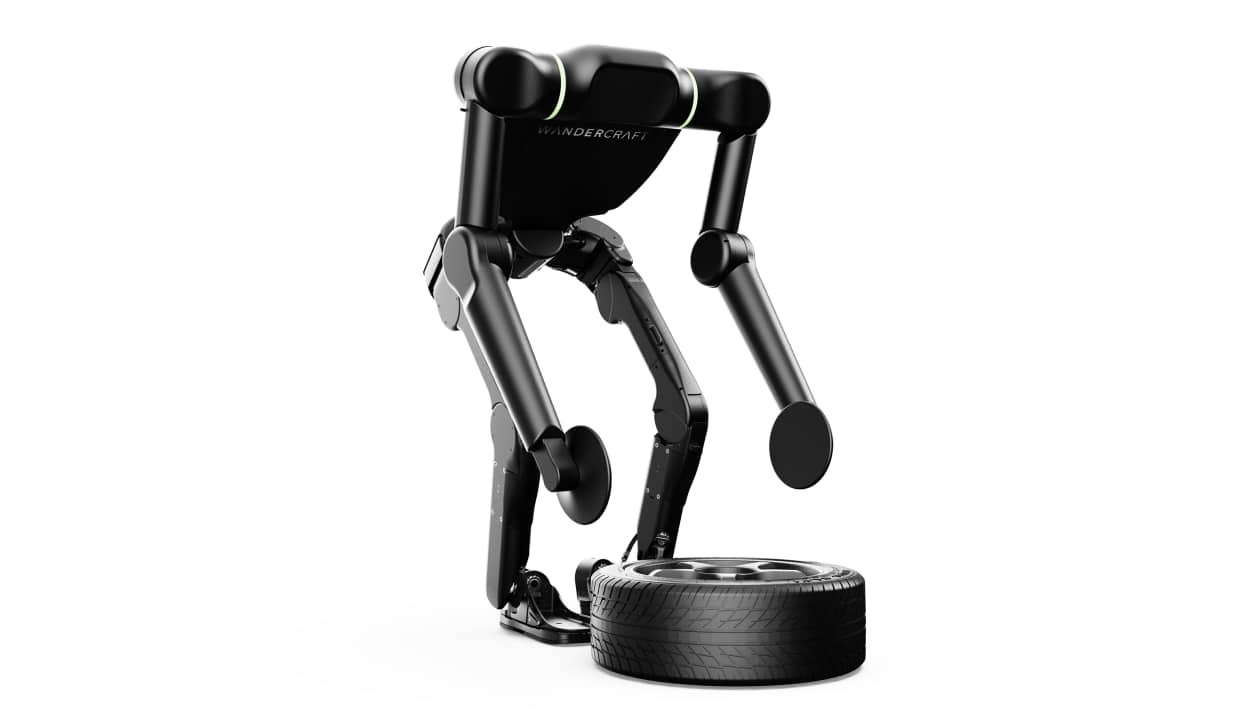
Renault has become the first automaker to integrate humanoid robots, dubbed “Calvin,” directly into its production line at the Douai factory. The move marks a significant step towards increased automation in the automotive industry, with plans to deploy 350 more units over the next 18 months.
Humanoid Robots: Efficiency over Spectacle
The robots, developed by French firm Wandercraft, are already handling physically demanding tasks such as transporting tires for electric vehicle production, including models like the Scenic and Renault 5. According to Renault’s industrial boss, Thierry Charvet, the company isn’t chasing flashy robotics but efficient, low-cost automation. Despite initial limitations in speed and dexterity compared to human workers, AI training has already doubled Calvin’s performance in six months.
Strategic Investment and Cost Reduction
Renault has taken a stake in Wandercraft, indicating a long-term commitment to humanoid robotics. The initiative is part of a broader strategy to cut production costs by 20% over the next five years, focusing on reducing downtime and energy consumption. The company recognizes that while Calvin may not significantly impact energy savings, its flexible exoskeleton design offers stability advantages over traditional wheeled robots.
Addressing Workforce Concerns
The introduction of robots inevitably raises questions about job displacement. Renault CEO Francois Provost emphasizes transparency with unions, advocating for gradual workforce adjustments rather than sudden cuts. Despite earlier reductions of 1.2 million industrial units under the “Renaulution” plan, the company assures stable factory outlooks through 2030.
“Lots of companies are using humanoids for a display at the Consumer Electronics Show, we like to put them on the line.” – Francois Provost, Renault Group CEO
The deployment of Calvin represents a shift from showroom displays to practical industrial applications, solidifying Renault’s position as a pioneer in robotics-assisted manufacturing.
The long-term success of this venture hinges on continuous AI refinement and strategic integration of robots into existing workflows, ultimately reshaping the future of automotive production.