American feuds tend to get messy. You’ve got Hamilton and Burr trading pistol shots. Hatfield and McCoy turning a valley into a graveyard. Cardi and Nicki turning a subway platform into a boxing ring.
But the big ones? The ones that actually change how society works? We hand them to lawyers. We drag them into court. We let the ink dry on verdicts instead of blood on the pavement.
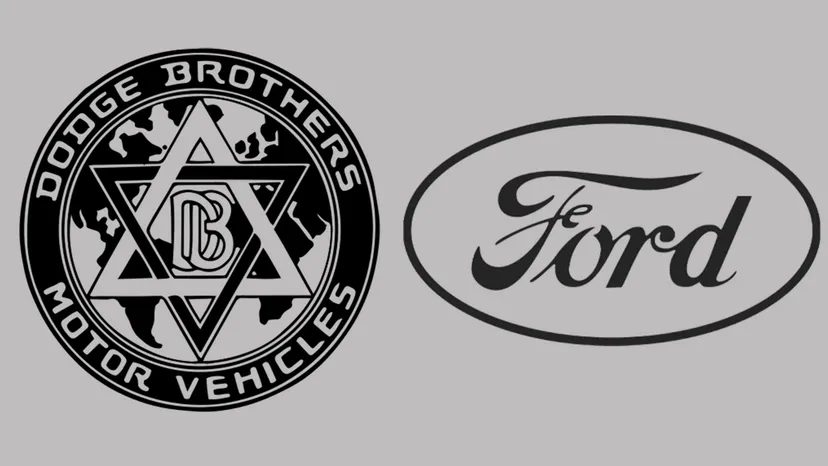
The legal war between Henry Ford and the Dodge brothers wasn’t just a squabble over car parts. It was the fight that taught judges how to view the relationship between a business, its shareholders, and its workers. It still echoes in boardrooms today.
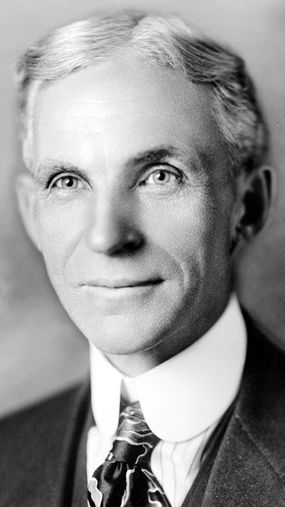
“The number one reason that case is cited is for Ford supposedly wanting to do right by his workers,” says Marc Hodak, an adjunct professor at NYU’s business school. “The idea that he was actually trying to squeeze out the Dodge brothers is something that’s often lost.”
Hodak hits on the core distortion. The history books love the “Henry the People’s Champion” angle. They paint him as a visionary who cared more about fair wages than quarterly profits.
It’s a nice story. It’s also mostly wrong.
The reality? Ford was playing a long game. He wanted to consolidate power. He wanted to eliminate the Dodge brothers, who held a massive chunk of stock and had the votes to stop him. The lawsuit wasn’t just about money. It was about control.
And it worked. The legal precedent set there still haunts corporate governance. It defined the limits of what a CEO can do in the name of “the greater good” while effectively kicking out the people who owned the company.
We remember the Model T. We forget the leverage.
The Supreme Court Split the Difference
So the Dodges sued. They wanted their money. Henry wanted to build more factories. The U.S. Supreme Court had to pick a side.
They didn’t. Not really.
The court ordered Ford to pay dividends. It rejected his argument that reinvesting profits to boost wages and production was enough. That part became the bedrock of shareholder supremacy. The idea that a corporation exists primarily to generate profit for its stockholders.
“A business corporation is organized and carried on primarily for the profit of the stockholders.”
Judge Russell Ostrander wrote that. It’s the line everyone quotes.
But here is the nuance most articles skip. The court also upheld the business judgment rule. This legal shield assumes directors are acting in good faith. It gives them leeway to make strategic moves without constant judicial interference. The court used this to block the Dodges from stopping Ford’s factory expansion.
Ostrander noted that judges aren’t business experts. He acknowledged that long-term planning for future competition is valid. Ford’s management was deemed capable.
It was a mixed verdict. A legal handshake that left everyone slightly bruised.
How Ford Bought His Way Out
Ford didn’t accept the compromise. He wanted total control.
He needed the shares back. The court ruling didn’t give him that. It just forced a payout. So he played a psychological game.
First, he announced he was selling the company to his son, Edsel.
Then he planted rumors. Whispers that he might start a new car company. A rival venture.
The market panicked. Shareholders saw the value of their stakes plummeting. Why hold stock in a company whose founder might walk away?
The Dodges sold. Other investors followed. Ford bought their shares back. He got the control he wanted. The legal battle ended not with a bang, but with a buyout.
The Brutal Irony of 1916
The timing of the lawsuit was almost too cinematic to be real.
John and Horace Dodge filed the complaint in 1916. The claim? That Henry Ford priced cars too low. That he was cheating shareholders of potential income by keeping prices artificially suppressed to gain market share.
They filed it the day after Edsel Ford’s wedding to Eleanor Clay.
The Dodge brothers were guests at the reception. They stood in the same room. Drank the same champagne. Congratulated the groom.
Then they went home and served Henry Ford with papers.
That is how business gets done. Or how it used to.
There is no Henry Ford without the Dodges. They built the transmissions. They provided the capital. They became the competition. And in the end, they became the exit strategy.
The Model T kept rolling. The Dodge brothers kept driving. But the partnership was dead. Killed by a price cut, a lawsuit, and a wedding gift that turned into a legal brief.