horsepower or torque. This is the oldest discussion in automotive journalism. Enthusiasts debate which number is more important in daily driving. Buyers stare at the specs and try to decide which engine offers the better value. The difference is fundamental. Horsepower determines high speed acceleration. As the revs rise on the highway, overtaking is possible. The torque provides the initial thrust. Start the car from a complete stop. With torque, you can do heavy lifting. Horsepower gets the job done quickly.
Low-end grunt is what torque enthusiasts like. They want to be able to accelerate immediately at traffic lights. The upcoming Chevrolet Camaro SS appeals to this crowd. The V8 engine produces 408 lb-ft of torque. This number ensures the smooth completion of the takeoff.
Horsepower fans love the high revs. They want top speed. The Honda S2000 fits well. It produces 237 horsepower at 7800 rpm. It produces just 162 pound-feet of torque. The torque is not that great. The car goes very fast. It’s hard to keep going.
Most drivers have never been to a track. Towing is rare. Natural gas prices vary greatly. It may seem unrealistic to buy a high-performance car. Fuel costs are rising. You’re wasting money on features you don’t use.
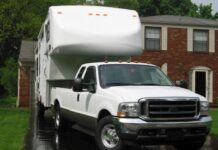
There is one exception. Trailers change the game. You need a vehicle that can tow a construction trailer. Or take a boat to the lake. Weight increases due to load. Power is needed to keep the engine running.
Which metric is most important when pulling heavy objects? The answer is not easy. It depends on how you define power. Let’s break down the mechanism. Let’s take a look at how each number affects towing performance.
Measure torque and horsepower
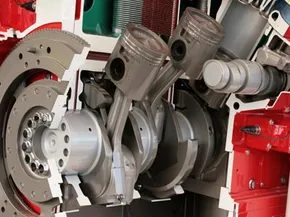
Torque is a measure of rotational force. This is the torque of the crankshaft. Engineers measure it in pound-feet or newton meters. More torque means the engine can push harder. Helps to accelerate. Required when moving heavy objects.
Horsepower is a measure of work done over time. Calculate the speed at which the torque is applied. The formula is simple. Horsepower is equal to torque times rpm divided by 5,252. This equation combines the two concepts. they are not independent. they work together.
The high torque motor pulls hard. It feels powerful in low gears. Low rpm produces the most power. This is perfect for towing. Initial power is needed to start the trailer’s movement.
High horsepower motor maintains speed. They keep the vehicle moving at high speed. Higher revs produce more power. This makes passing easier. It’s less important if you start from a stop.
The Camaro SS has 408 pound-feet of torque. Rapid acceleration from zero. The Honda S2000 has 237 horsepower. Reach extremely high speeds. It lacks a low-end torque.
When towing, torque is of prime importance. Move the load. Reduces the strain on the transmission. Horsepower helps maintain speed. Prevents engine stalling.
The average driver doesn’t need either. They go to work by car. They commute. They need reliability. They need fuel efficiency.
A pull requires a certain amount of force. it changes the equation
Torque and low power
Horsepower is more than just a marketing number listed in a brochure. This is the exact measure of the job. More specifically, it tracks the force applied to the object and how far the object moves in the direction of that force. Math is tough. One Horsepower equals 33,000 pounds per minute. Or if you prefer the metric system, 4,562.41 kilometers. Imagine a 330 pound object being moved 100 feet in 60 seconds. This is the starting point.
The torque is different. This is torque. Rotate objects such as wheels or bolts. You will feel it when you use the fixed key. Add torque to the wheel nuts. The main difference is that the object does not need to be moved to create torque. You can also push in bolts that don’t move. That power is still there. Torque is measured in foot-pounds. This is the force acting on the end of the lever expressed in feet in pounds. Get a 2 foot wrench. Apply 100 pounds of force. It produced 200 pound-feet of torque.
By measuring torque, you can calculate horsepower. The relationship is linear. Multiply the torque by the engine speed (rpm). Divide the result by 5.252. This number is a constant derived from the definition of horsepower. This formula will give you the horsepower at that rpm.
Let’s look at a real-life example. The engine produces 350 pound-feet of torque at 4,000 rpm.
350 times 4,000 equals 1,400,000.
Divide the result by 5,252.
The result is about 267 horsepower.
The difference is important. Torque measurement workload. Horsepower measures how quickly work can be done.
This distinction becomes very important when you need to exert force. Low torque provides low power. This is the power available at lower engine speeds. Horsepower becomes an advantage at high speeds. When you tow a trailer, you must first push it. A torsional force is needed to move the mass from rest. Torque wins here.
The physics of drag
Why do diesel cars dominate the towing market? It comes down to the torque curve. Gasoline engines typically reach their maximum horsepower at high rpm. To produce torque, it must be accelerated. Diesel engines and large displacement gas engines produce a much lower peak torque in the rpm range.
Hook up a £5,000 trailer and you can fight inertia. Inertia resists changes in motion. Torque overcomes inertia. Once you get up to speed, the horsepower continues. If you have high Horsepower but low torque, it will be difficult to move cargo. Engine speed increases. The transmission is looking for gears. It feels slow.
The high torque makes it easier to accelerate at low speeds. The need for hard downshifts is reduced. This saves fuel. Reduces clutch and transmission wear. This improves the responsiveness of the car. A truck with 1500 rpm of torque can pull a load that requires 400 horsepower of engine power but only 300 lb-ft of torque
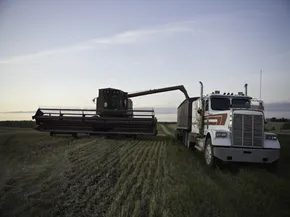
Torque is more than just a number on the spec sheet. This is the physical force that moves the heavy trailer. Think of it like a muscle. Horsepower may win in high-speed drag races, but it’s the torque that keeps you in your lane without stalling.
Most people confuse the two. You see an ad for a sports car with about 600 horsepower. Then you see an ad for a diesel car with about 1,000 pound-feet of torque. they are talking about different things. One is about top speed potential. The other is acceleration.
Why torque is important for heavy loads
Let’s look at it in detail. Modern heavy-duty trucks like the Dodge Ram 3500 can do more than pull trailers. It pulls them down. The Ram 3500 can tow up to 16,000 pounds (7,257.5 kg). That’s more than twice the vehicle’s weight, which is about 7,000 pounds (3,175.1 kilograms).
How is it done? Motors produce torque. This force causes the crankshaft to rotate. The transmission receives this rotary motion and amplifies it through gears. The result is enough to move 16,000 pounds of steel and fiberglass.
An attempt to tow in top gear fails. The engine struggled. It will drag you. Sometimes it stops. This is why experienced drivers downshift. In 5th gear it drops to 4th gear. In fourth gear it drops to 3rd gear. Why? Lower gearing increases torque. Gives more rotational power to the wheel. Speed is lost. You get traction.
The reality of climbing
Imagine you are halfway up a steep hill. Trailers are heavy. Your speed will slow down. It struggles. It moves very slowly.
Now imagine shifting down. Engine speed increases. Torque multiplier activated. Your power is at its peak. Maintaining power does not require high revs. That torque is needed.
Horsepower doesn’t matter here. Horsepower is calculated from torque and rotational speed. But what about at low speeds? With torque, you can do heavy lifting. If you’re moving loads at low RPMs, horsepower won’t help you. Only torque can overcome launch inertia and hill gravity.
“More horsepower doesn’t help if you have to pull something at low revs.”
This is why 0-60 mph isn’t talking about truck commercials. They talk about payloads. They talk about towing capacity. Torque for towing.
The role of horsepower
We explained why torque is important when hauling heavy loads and climbing hills. But what about the other side of the coin? What happens when it actually moves?
Torque will get you there. Horsepower keeps you moving.
The next part tells about the role of horsepower in traction. Until then, remember that torque moves weight.
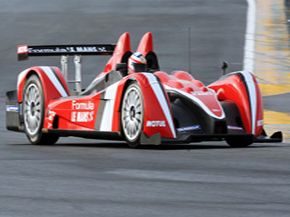
Torque moves you. Provides torque to propel the vehicle forward from a complete standstill or from low revs. But what about horsepower? This usually creates confusion.
Horsepower is a reliable indicator at higher rpm. This allows you to overtake other cars on the highway. Imagine driving a Honda S2000. The slow driver in front of me refused to drive. I dropped a gear. The rotation speed increases. The engine screamed. That speed spike? It’s horsepower that works for you. When you accelerate, the engine kicks in and uses its peak power to propel you down the driveway.
Gravity changes the equation, but physics doesn’t. When you’re carrying heavy objects, you still have to walk through them. You’re driving a truck, towing a car behind you, and Sloman is right in front of you. You can’t just sit there. Increase speed. you stop the car. You can make horsepower in no time.
If your engine doesn’t have enough horsepower, you can expect problems. Overtaking while towing is not just about having enough power to move the weight. You need enough speed to make it happen.
The torque gets the job done. With the help of horsepower, you can get things done quickly. Horsepower keeps you accelerating even when you’re already moving and dragging a heavy load behind you. It’s not just about getting started. It is important to maintain speed even when accelerating.
Maximize traction capacity
The next step is to take a closer look behind the scenes. Different truck engines produce torque and horsepower in unique ways. Some people are better at a low RPM. Others pull hard at high revs. Understanding these differences will help you choose the right transmission for your towing needs.
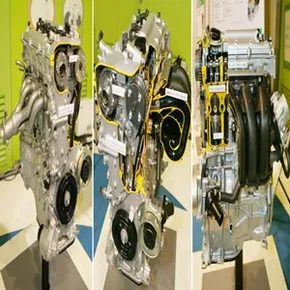
Torque advantages in heavy use
If you take the time to look at utility vehicles and large pickup trucks, the pattern is clear. Diesel engines are mainstream. This is not just a tradition. This is physics.
Diesel engines produce more torque. The spark plug was missing. Compressed air is used to ignite the fuel. This means that the piston must move lower in the cylinder to compress enough air to cause ignition. This stroke is called the compression stroke. As the momentum increases, so does the torque.
Dodge Ram 6.7L Cummins vs. 5.7L Hemi
Look at the numbers. Dodge Ram with 6.7L Cummins Turbo Diesel. It produces 350 horsepower. Delivers 650 lb-ft of torque.
This time we are driving the same truck. Changed to a 5.7L Hemi V8 gasoline engine. It produces 383 horsepower. Torque drops to 400 lb-ft.
The peak power of gas engines is slightly higher. Diesel kills it with a deep growl.
Towing looks the same on paper. Gas trucks can carry up to 15,650 pounds (7,098.7 kg). The diesel engine can handle 16,350 pounds (7,416.2 kg). For most buyers, this $700 difference is negligible.
The real difference is in the feeling. The diesel engine develops maximum torque at 1500 rpm. This is slightly above idle speed. You don’t need to rev the engine to get power. When you press the pedal, you get more power. Gas engines must run. Diesel is ready in no time.
Fuel consumption and initial costs
Diesel contains more energy. This means better fuel economy. Can be towed long distances between stops.
Gasoline wins on price. Basic models with a gas engine cost less. Diesel engines are capable of higher compression. Requires heavier and stronger components. Manufacturing costs are passed on to the customer.
Towing capacity also depends on the wheels. Tires are important. A brake is required. The strength of the transmission is important. But engine torque is the most important factor.
Large-scale towing requires larger displacement engines. Towing stresses the transmission. High torque reduces wear. Save long-term maintenance costs.
Horsepower and torque of the drivetrain
We have thoroughly compared these metrics. The verdict is clear. In towing, torque is more important than horsepower.
Horsepower allows cars to go faster on highways. This is helpful at high speeds. When you start, the car accelerates quickly on steep slopes.
But horsepower is useless if you can’t get the trailer off the line. Low power is needed to overcome inertia.
Diesel cars typically produce twice as much torque as horsepower near idle. This allows you to easily tow heavy objects such as boats and trailers. The gas engine struggles to get up to speed.
Horsepower helps you get to your destination faster. The torque comes first.
“Horsepower sells cars. Torque pulls cars.”
You can learn more about the interaction of these forces by studying the physics of work and energy.