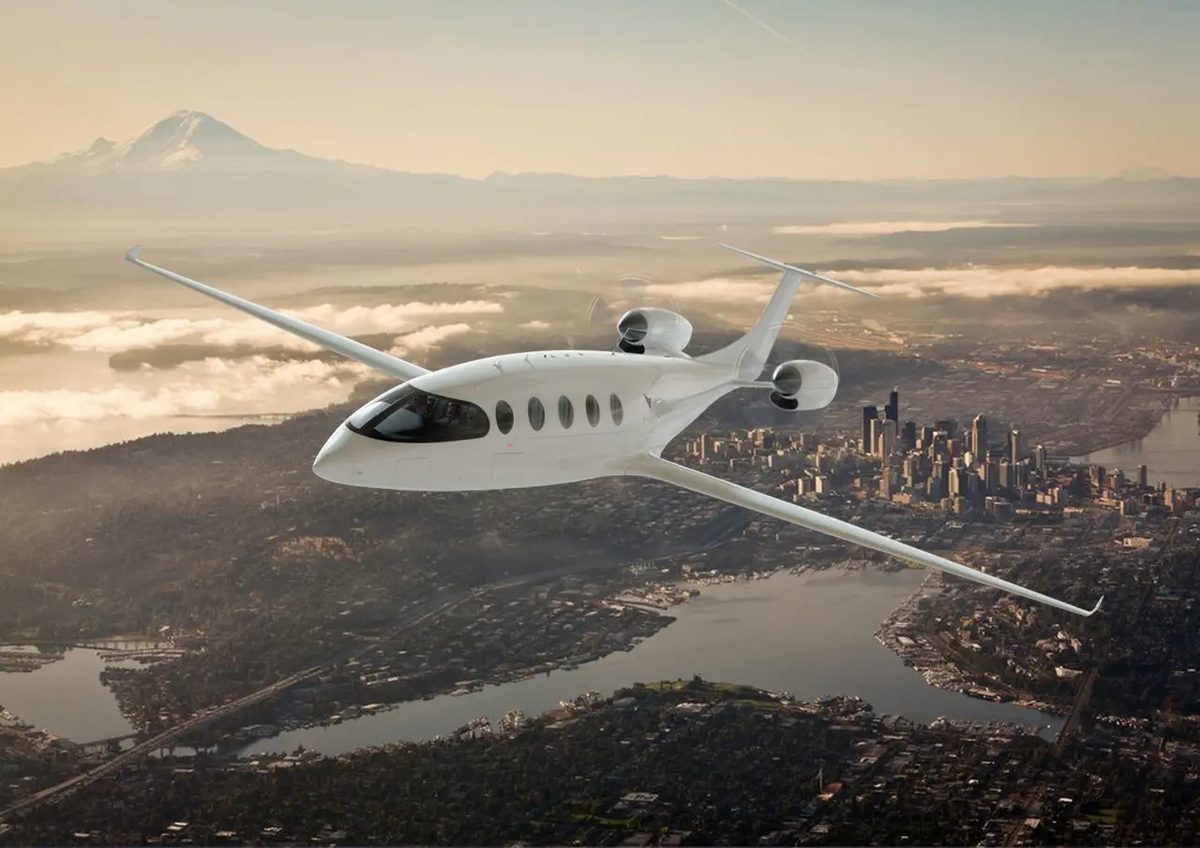
Hype cycle exceeds rendering. On the morning of April 18, the Eviation Aris prototype made its first flight. This is not a computer simulation or a static model on a trade show stand. An Israeli aerospace company finally flew a 100 percent electric airliner, and it worked. The event, held at Washington’s Grant County International Airport, marked a measurable change in aviation history.
Flight time was 8 minutes. Not long enough to cross country, but long enough to prove a point. The plane climbed to an altitude of 3,500 feet (about 1,000 meters). I climbed up. It has changed. It’s counting. According to company managers, the implementation went well. The aircraft is very sensitive. It moves very fast.
“The introduction of this aircraft represents a revolution similar to the transition from piston engines to jet engines in the 1950s.”
The CEO does not mince words in an interview with CNN. He sees this moment as a paradigm shift. The jump from internal combustion engines to jet engines changed world travel forever. Switching from aviation fuel to battery operation promises the same effect, but with significantly lower operating costs and zero direct emissions.
The fuel here is data. During these eight minutes, the sensors collected terabytes of flight data. Our engineering team will analyze this stream in the coming weeks. Actual performance should be compared to the original model. If the numbers match, the development cycle progresses to the next stage. If not, you need to make adjustments before the next deployment.
The specs are already amazing. Eviation claims the Alice can fly for two hours on just a 30-minute charge. This is a short travel time on a commercial aircraft. The technology that controls everything is not exclusively science fiction. It comes straight from the world of electric cars. The same battery architecture that powers modern electric vehicles has been adapted for the skies.
Why is this important to the average traveler or industry insider? Because it proves a law of physics. When it comes to cars, range anxiety is real. In aviation, this is a death sentence. Leaving Alice with a fully functional battery removes the biggest hurdle. The question is not whether electric planes can fly. The question is, how quickly do they scale?
The first step is complete. Now comes the hard part.
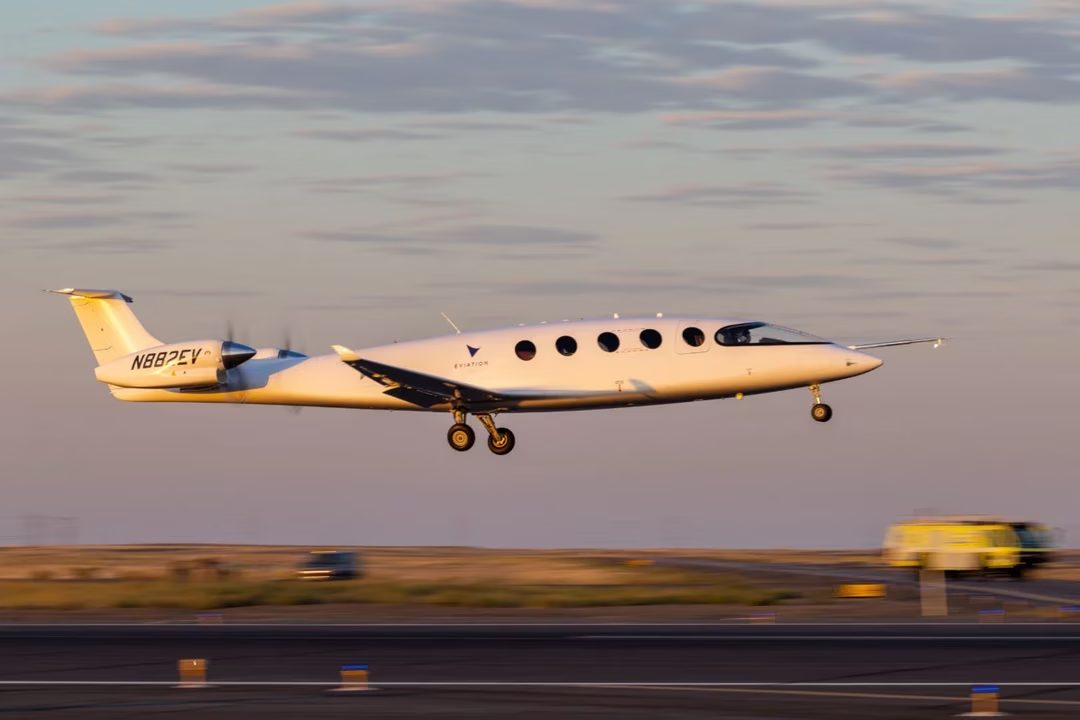
ltos2lo3on1t3a6b0xk7
The difference between a flying prototype and an aircraft capable of carrying paying passengers can be summed up in one word: certification.
Alice has the necessary equipment. He has an electrical system. He has a basic qualification. But he missed the last chance. Eviation is expected to be available by 2025. This is a realistic deadline for civil aviation. In other technology sectors, this time is even longer.
If approved by the FAA, commercial flights could begin in 2027. If not, Alice will continue to wait. The battery is being improved. The engine will be better. But without a control stamp, the plane stays on the ground.
The short-haul aviation market is waiting. Travel 800 km. Fast transfer. The price per kilometer will be reduced by a third. This is a promise. Whether that happens depends on Eviation’s ability to turn the Israeli prototypes into US-certified products.
The technology already exists.