Fiat is preparing to launch a new generation of the Argo hatchback in South America, but with a significant twist: the model will be based on the Fiat Grande Panda already sold in Europe. This move represents a major shift for the Argo, which has historically been a distinct model for the region.
From Argo to Panda: A Strategic Overhaul
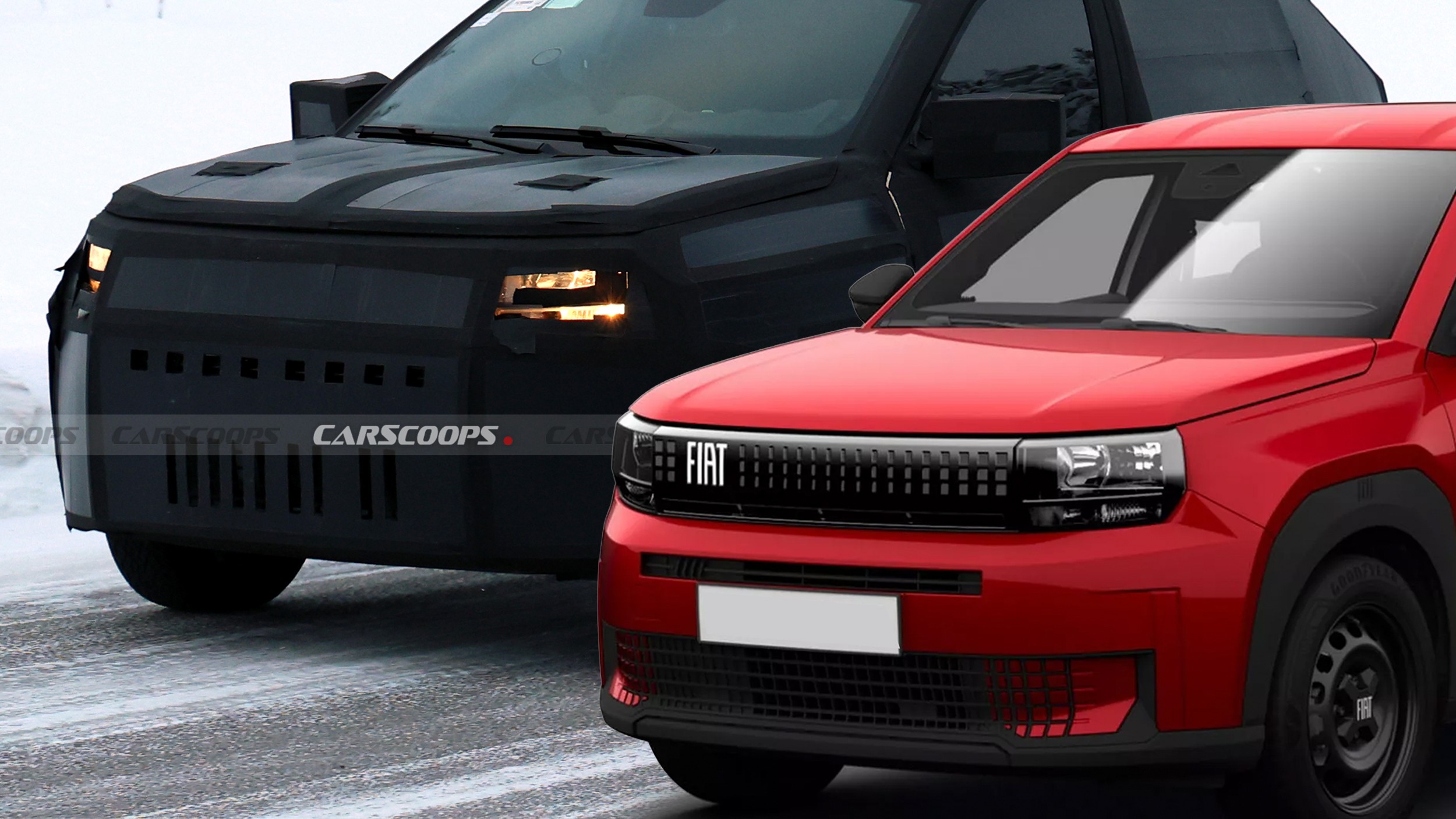
The current Argo, introduced in 2017 and facelifted in 2022, shared components with the Cronos sedan and Pulse/Fastback SUVs. However, the next iteration won’t simply refine this formula. Instead, Fiat appears to be leveraging the existing Grande Panda platform to streamline development and reduce costs. Spy photos confirm this, showing a heavily camouflaged prototype with unmistakable proportions matching the European model.
Brazil-Specific Tweaks and Engine Choices
While the new Argo will largely mirror the Grande Panda, some adjustments for the South American market are expected. Patent filings in Brazil suggest the design will be very close to the European version, with minor changes like removing distinctive door and tailgate stampings.
The powertrain will also differ. Unlike the turbocharged 1.2-liter engine found in European models, the South American Argo will rely on a naturally aspirated 1.0-liter three-cylinder Flex Fuel engine capable of running on gasoline or ethanol. This choice reflects the region’s fuel preferences and cost sensitivities. A turbocharged 1.0-liter variant with a mild-hybrid system (around 125-130 hp) may also be offered for higher trims.
Coexistence with the Existing Argo
Fiat plans to sell the new, Panda-based Argo alongside the current model for the time being. The existing Argo will be rebranded as the “Argo Urban,” serving as a more affordable entry point. This phased approach allows Fiat to maintain market coverage while introducing the new platform.
This strategy demonstrates Fiat’s willingness to adapt existing designs for cost-effective production in emerging markets, rather than develop entirely new models.
The new Argo is expected to debut in South America within months, marking a significant step in Fiat’s regional strategy.