It’s impossible. Or at least that’s the story.
Then it becomes a doomsday prophecy. Politicians warn. Executives sweat. Unions braced for another massacre of American jobs.
Quietly? The roots go deeper.
New data suggests Detroit’s reliance on China isn’t a hidden threat. It’s structural.
The Supply Chain Reality
AlixPartners did the counting. Over sixty US automotive suppliers have Chinese owners. Roughly five percent of all American parts makers—think that’s ten thousand suppliers—hold Chinese equity stakes.
The numbers aren’t hypothetical. They’re inventory.
Look in the hood.
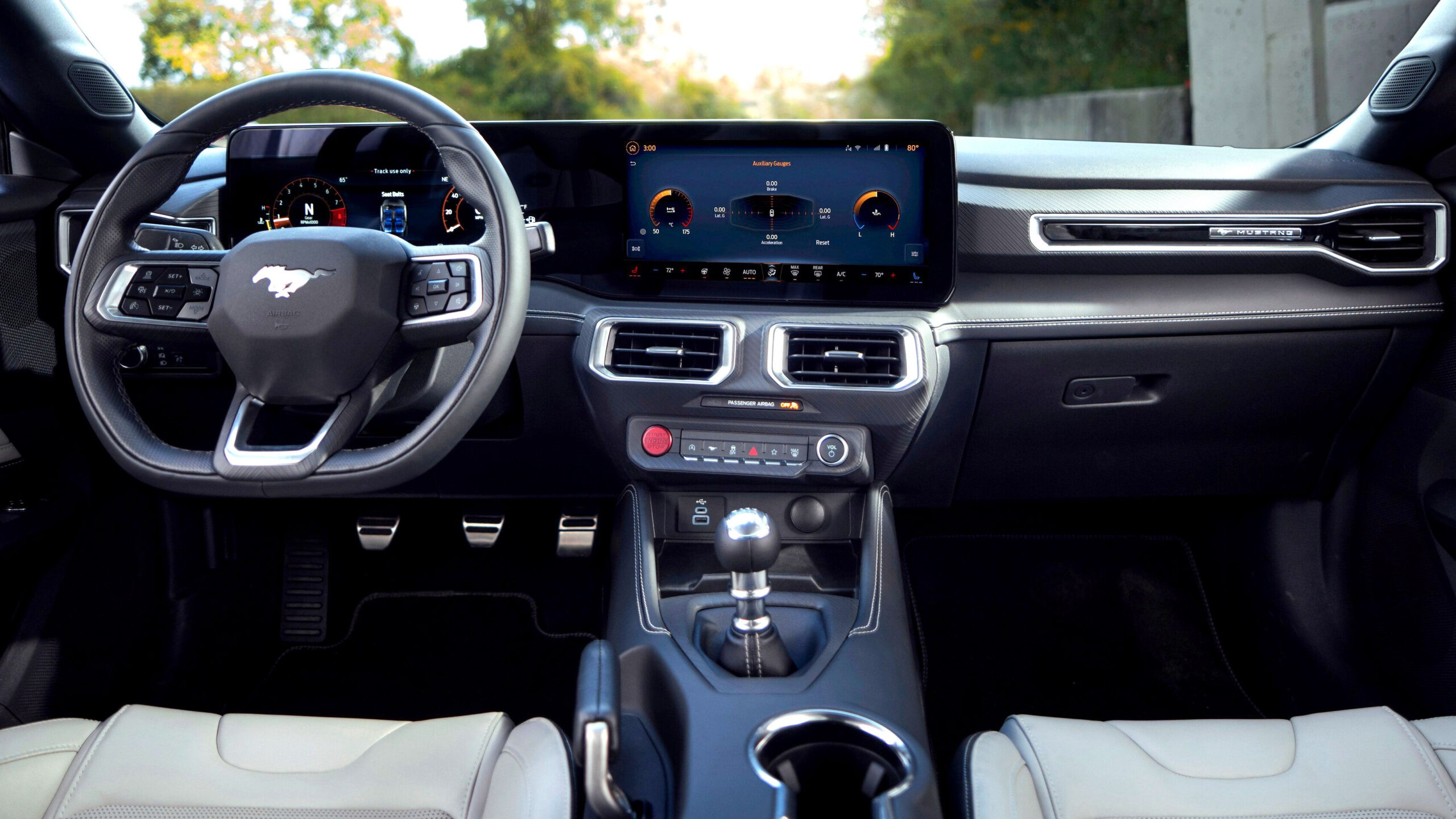
Ford Mustang GTs use six-speed manual transmissions built in China. Toyota Prius plug-ins? Fifteen percent Chinese content. Chevrolet Blazer EV and Equinox EV sit at twenty percent.
It’s everywhere.
Now lawmakers want to draw a circle on the map and keep everyone outside it.
Reps John Moolenaar and Debbie dingell pushed a bill recently. It targets Chinese hardware and software in connected vehicles. National security, they say.
Why wait for the floodgate?
They remember solar panels. China dumped them at state-subsidized prices. US solar makers folded. Now they don’t want autos next. “This is about America’s future,” Dingell told us.
And the workers in it.
No Clean Cut
But try cutting it out.
It doesn’t bleed cleanly. Fuyao Glass supplies windshields for every major brand here. CATL? They’re the titans of battery tech. You can’t just fire the backbone.
Even the cheerleaders for tough bans are tangled in the web.
GM wants its suppliers to ditch China sourcing by 202 seven. Tesla did the same with US-bound cars years ago.
They’re pushing the chain backward while driving forward.
So where do we go?
Maybe nowhere.