The 2019 Renault Clio didn’t just arrive. It crashed into the supermini segment with a mandate to dominate. This wasn’t a casual update. It was a declaration of war on complacency. When this French hatchback hit the market, it positioned itself as one of the most technologically advanced cars in its class. The goal was clear. Renault needed to keep its foot firmly on the gas while the rest of the industry shifted gears toward bulkier vehicles.
The competitive landscape was changing fast. Traditional small cars were losing ground. Buyers were flocking to compact SUVs. The market demand had tilted. Renault knew that sticking to old formulas wouldn’t cut it. The Clio had to be more than just transport. It needed to be a statement. This shift was part of a broader strategy to keep the brand relevant in a crowded market where utility was trumping style.
Interior Focus and Design Overhaul
Interior criticism had been a persistent weak point for Renault. The current model’s cabin design drew plenty of heat from reviewers and owners alike. That feedback wasn’t ignored. It was weaponized. The design team, led by figures like Van den Acker, used the negative reviews as a blueprint for the next generation. The focus shifted heavily toward materials, ergonomics, and the overall user experience inside the cockpit.
The interior wasn’t just updated. It was rebuilt based on direct feedback about what was lacking in previous models.
This wasn’t about slapping on new fabric. It was a structural rethink of how the driver interacts with the machine. The aim was to erase the stigma of cheap plastics and disjointed layouts. The result was a cabin that felt more premium. More cohesive. The tech integration followed suit. Screens were sharper. Interfaces were more intuitive. The goal was to make the interior as compelling as the exterior styling.
Technology as a Differentiator
In a segment where specs often blur together, technology became the primary differentiator. The 2019 Clio packed features that were usually reserved for higher-tier vehicles. ProPILOT semi-autonomous driving assistance was a key selling point. This system helped with steering and acceleration on highways, reducing driver fatigue. It was a significant step forward for a car in this price bracket.
The infotainment system also saw a major upgrade. The touchscreen replaced older button-heavy setups. Navigation was integrated more deeply. Smartphone connectivity was smoother. These weren’t gimmicks. They were necessities. Modern drivers expect their cars to talk to their devices without friction. Renault understood this. The Clio delivered.
Competing Against the SUV Wave
Why does this matter now? Because the supermini class is shrinking. Or at least, it’s stagnating. SUVs and crossovers are eating market share. They offer higher driving positions. More cargo space. A sense of security. The Renault Clio couldn’t compete on height. It had to compete on agility, efficiency, and tech. It had to be sharper. Faster to react. More fun to drive.
The competition is fierce. German rivals like the Volkswagen Polo are always watching. French rival Peugeot has the 208 breathing down its neck. But the Clio’s edge lies in its balance. It’s not trying to be an SUV. It’s trying to be the best small
The Clio’s Quiet Evolution: Design and Tech Shifts
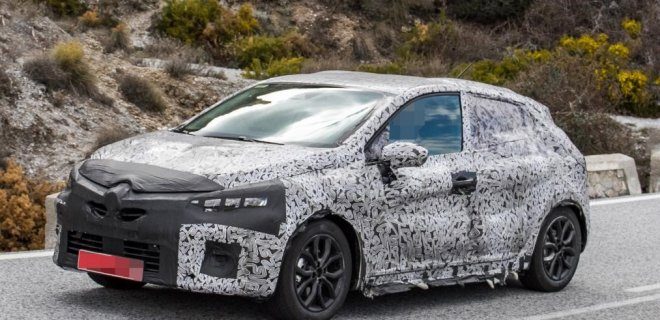
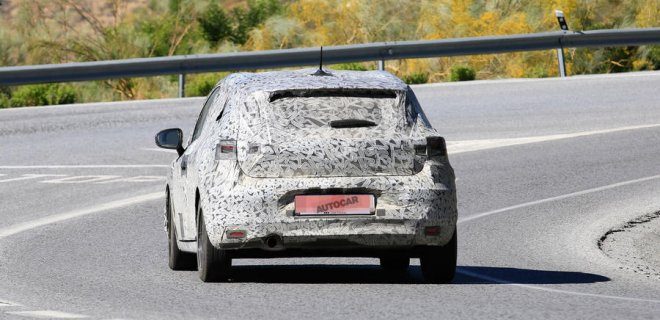
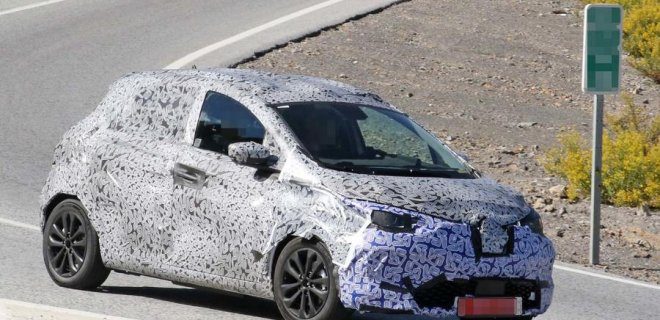
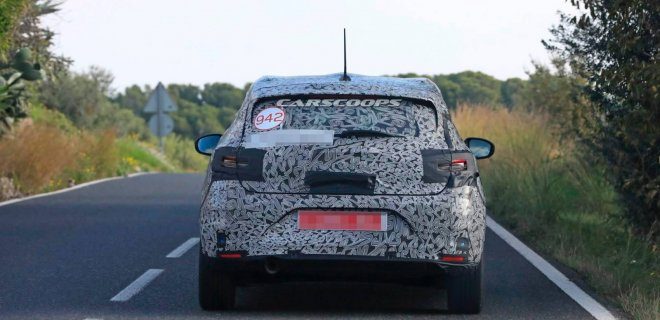
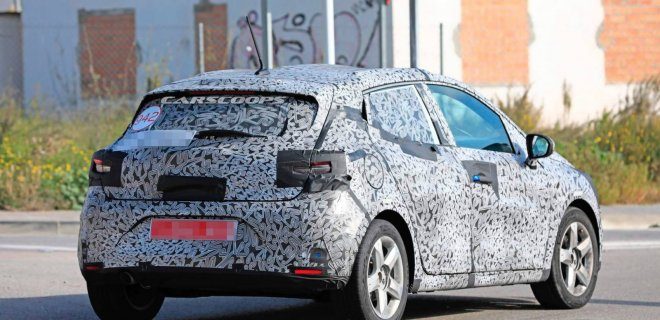
The exterior looks less like a quirky city car and more like a grown-up version of the Megane. It keeps the old-school trick of hiding rear door handles in the window frames. This feels evolutionary rather than revolutionary. You can see the influence of the Symbioz concept from last year lurking in the details. It’s subtle.
Inside, things change faster. The dashboard abandons the small, traditional buttons for a digital instrument cluster. A tablet-style Renault Clio 2019 infotainment system sits in the center stack. This creates a clear divide from rivals. The Ford Fiesta and Volkswagen Polo still cling to smaller, standard screens. The new Clio jumps straight into the deep end of digital integration.
Under the Metal: Platform and Powertrain
The chassis is built on the CMF-B platform. It’s the same architecture shared with the Nissan Micra. This version has been updated for the Clio. It’s not a ground-up rebuild. It’s an evolution of what already works.
Power comes from a few specific choices. The engine lineup includes 1.0-liter and 1.3-liter petrol options. These were developed in partnership with Mercedes. They sit alongside a 1.5-liter diesel unit. That diesel can push up to 115 hp. It’s a straightforward mix of efficiency and punch. No radical experiments here. Just what the segment needs to stay competitive.
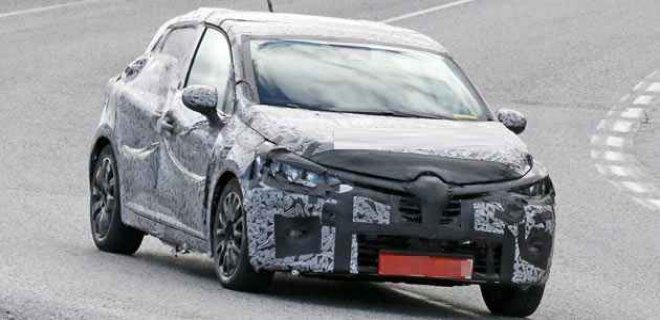

Renault Clio 2019 Teknik Performans ve Dinamikler
The numbers don’t lie. When you pop the hood of the 2019 Renault Clio, you aren’t looking at a slumbering economy car. You’re looking at a machine that wakes up. The powertrain delivers 120 beygir (horsepower). That isn’t a whisper. It’s a shout at the top of the rev range.
But torque is what moves your body back into the seat. This engine pushes 220 Nm tork to the front wheels. Enough to pull you out of a tight spot. Enough to make highway merging feel effortless.
Dimensions and Real-World Usability
Size matters when you’re parking in Paris or Tokyo. The new Clio measures 4062 mm uzunluğunda. It sits 1732 mm genişliğinde. That width gives it a planted stance. Not bulky. Just confident.
Height is tucked at 1448 mm yüksekliğinde. Low profile. Aerodynamic. It slices through air rather than plowing through it.
Then there is the storage. Bagaj kapasitesi 200 litredir. Small? Maybe. Practical? Absolutely. Fits two large suitcases. Or a week’s groceries. Just don’t try to fit a grand piano.
Acceleration and Daily Driving
How fast does it go? 0’dan 100’e kadar (zero to one hundred) takes 7,2 saniye. That is quick. Quicker than most commuters expect. It doesn’t spin its tires. It just grabs traction and launches.
For a B-segment hatchback, this isn’t just about saving fuel. It’s about engagement. The Clio 2019 delivers exactly that.
The 2019 Renault Clio: A Masterclass in Efficient Packaging
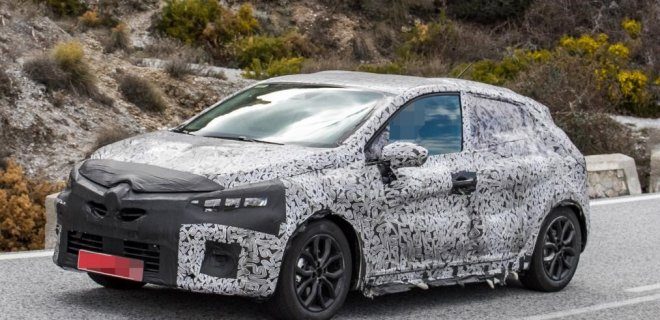
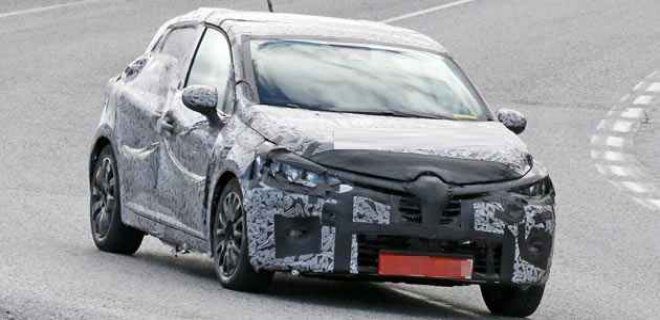
If you were scanning the European market in 2019, the Renault Clio 2019 didn’t scream for attention. It didn’t need to. While rivals were busy over-engineering SUVs that looked like they’d never see a gravel driveway, Renault stuck to what works. The fifth-generation Clio arrived with a design language that was clean, functional, and strangely attractive in its simplicity. It wasn’t trying to be a hot hatch hero. It was trying to be the best daily driver money could buy under €20,000.
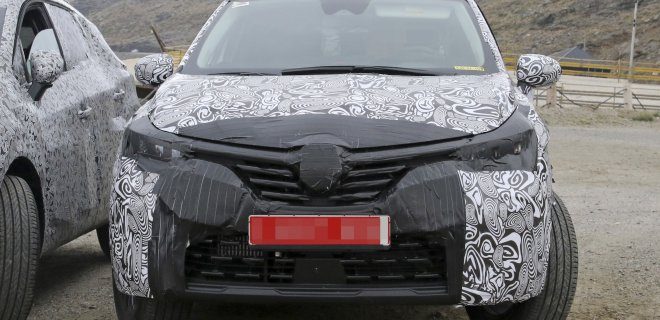
The styling shifts are subtle. Look at the front fascia. The “C” shaped LED daytime running lights are a nod to the more expensive Talisman and Megane. They frame the grille, which is narrower than before, creating a wider stance. It looks planted. The side profile is clean, with sharp character lines running from the front wheel arch all the way to the rear door handle. No chrome clutter. Just sheet metal done right.
Interior Quality: The Big Leap
The real story isn’t the exterior. It’s what happens when you slide into the driver’s seat. Renault didn’t just tweak the interior; they rebuilt the philosophy. The dashboard is dominated by a tablet-style infotainment screen that sits high and proud. It’s the EASY LINK system. It runs on an Android-based interface, which means it feels snappy. Not instant, but responsive enough that you aren’t tapping the glass in frustration.
Materials have improved significantly. Hard plastics are present, but they’re textured. Soft-touch surfaces grace the door armrests and upper dash. The seats are supportive, if a bit firm for long highway cruises. Ergonomics are logical. The climate controls are still physical buttons below the screen. Good. Touch-only climate controls are a design trend that nobody actually likes.
“The Clio feels like a grown-up’s car, not a teenager’s first purchase. The build quality rivals cars costing thousands more.”
Powertrain Options: Efficiency Over Excitement
Under the hood, the 2019 model year brought refinements to the existing engine lineup. There was no radical new engine introduced mid-cycle, but the tuning was sharpened.
- 1.0 TCe (90 & 100 hp): This turbocharged three-cylinder is the volume seller. It’s peppy at low RPMs, perfect for city driving. The 90 hp version is adequate for commuting. The 100 hp version pulls harder on highway merges.
- 1.5 dCi (85 & 110 hp): The diesel option. If you rack up high mileage, this is the logical choice. The 110 hp unit is surprisingly quiet for a diesel. It sips fuel, averaging close to 5.0 L/100km in mixed driving.
- 1.6 SCe (115 hp): A naturally aspirated four-cylinder. Rare. Heavy. Not worth considering unless you hate turbochargers for some reason.
The transmission pairing matters. The manual gearbox is short-throw and precise. The EDC dual-clutch automatic is available on some markets. It shifts quickly but can be a bit jer