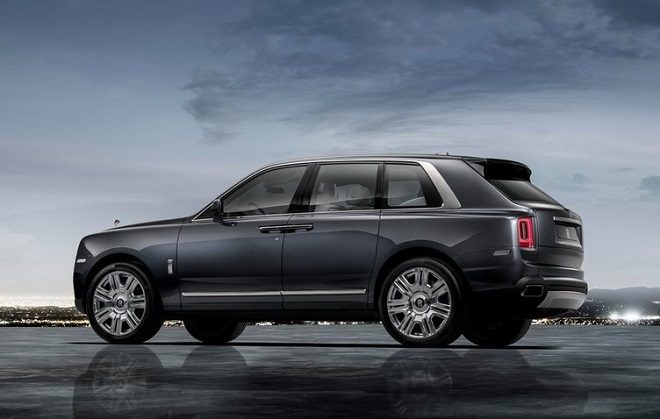
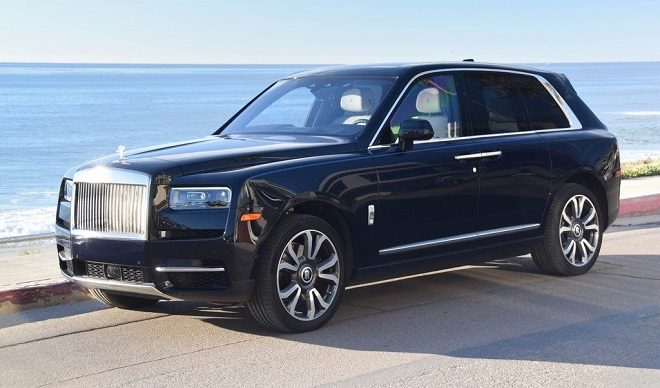
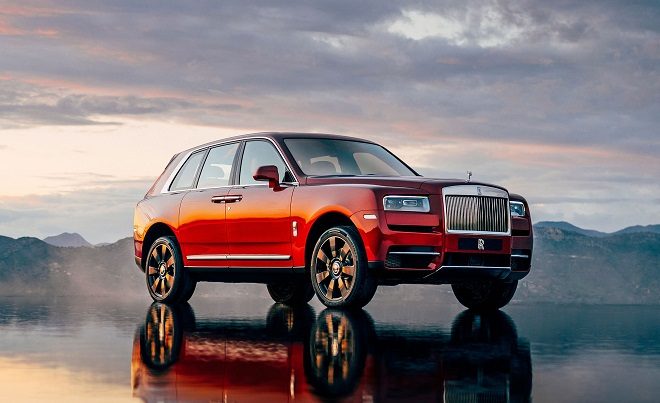
Otobiografik prestijini bir kez daha tescil ettirmek için Rolls-Royce, 2019 yılında Cullinan ’ı piyasaya sürdü. Herkesin nefesini tutarak beklediği bu model, sadece bir araç değil, lüksün coğrafi sınırlarını zorlayan bir beyannameydi. En çok konuşulan otomobillerden biri olan Rolls-Royce Cullinan’ın arka planındaki detayları, teknik altyapısını ve neden bu denli tartışma yarattığını derledik. İşte 2019’ın en çok konuşulan lüks SUV’sunun özellikleri ve fiyat dinamikleri.
Lüks SUV Pazarının İlk Girişimi
Otomotiv dünyasında “lüks” tanımını yeniden kurgulayan Rolls-Royce Cullinan, seri üretime geçen ilk Rolls-Royce SUV modeli olma unvanını taşıyor. Bu, sadece bir model değişikliği değil; şirketin tarihindeki en büyük stratejik hamlelerden biri.
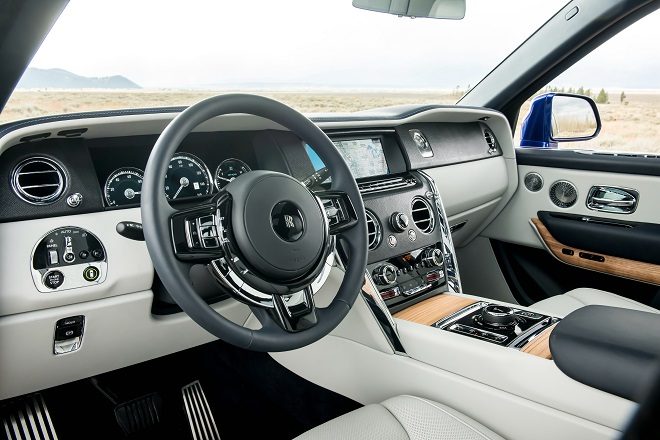
Kalite standartları açısından bakıldığında, Cullinan geleneksel Rolls-Royce zerafetini arazi koşullarına uyarlamayı başarmış bir mühendislik harikası. Araç, sadece şık bir gövdeye sahip değil. İç mekanındaki deri işçiliği, ahşap detaylar ve ses yalıtımı, markanın imza özelliklerini yansıtıyor. Ancak gerçek büyüklük burada gizli değil.
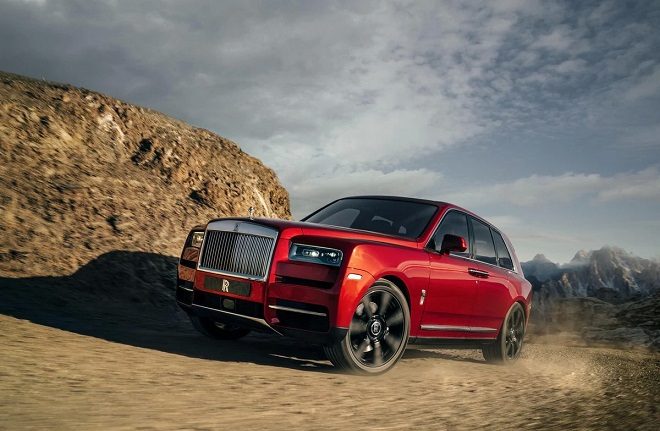
Dünyanın dört bir yanında yapılan testler, Cullinan’ın sadece asfalt yolları değil, en zorlu arazi yapılarında bile sorunsuz bir şekilde çalışabildiğini gösteriyor. Bu yetkinlik, onun sadece bir “konfor aracı” değil, aynı zamanda bir “keşif aracı” olduğunu kanıtlıyor.
“Rolls-Royce, lüksün sadece duran yerde değil, hareket eden ve zorlu yolları aşabilen araçlarda da olabileceğini Cullinan ile ispatladı.”
Neden Bu Kadar Önemli?
Lüks otomobil tutkunları için Cullinan’ın çıkışı, kategori sınırlarının yıkılması anlamına geliyordu. Önceleri Rolls-Royce, sadece sedan ve coupe modellerle hatırı sayılır bir prestij biriktirmişti. SUV geleneği ise daha çok Alman rakiplerin (Bentley, Porsche) elindeydi. Rolls-Royce’un bu alana girmesi, pazar dinamiklerini değiştirdi.
Cullinan’ın başarısı, sadece satış rakamlarında değil, markanın algısında da yer etti. “Neredeyse her yere gidebilir misin?” sorusuna evet diyebilmek, o dönemin lüks otomobilinde en çok aranan özelliklerden biriydi. Cullinan, bu ihtiyacı karşılayan ilk ve en prestijli çözüm olarak karşımıza çıktı.

The Architecture of Luxury
The 2019 Rolls-Royce Cullinan didn’t just enter the SUV market. It dominated it. This vehicle became one of the most effective luxury machines of the last decade. It wasn’t just another car. It was a statement.
Rolls-Royce built the Cullinan on an aluminum architecture. This made it the second model in the brand’s history to use this specific chassis design. The company didn’t just hope for perfection. They engineered it. Every component was tested against harsh external conditions and potential damage. The result? A vehicle that could withstand abuse while remaining utterly serene.
Cabin Technology and Visibility
Inside, the Cullinan offers a head-up display with high resolution. You don’t just look at data. You experience the drive. The cabin is equipped with air suspension. This smooths out every bump. It also features lane-keeping assist and blind-spot warning systems.
The car controls sit at the top of their game. Cross-traffic warning systems are standard. Collision prevention assistants add another layer of safety. But the real standout feature is the adaptive cruise control.
There is also a four-camera system for panoramic visibility. This setup is rare in the ultra-luxury segment. It gives the driver a complete view of the surroundings. The brand isn’t just leading the pack. It is rewriting the rules for what a driver should see.
Practicality Meets Opulence
Being a large SUV means utility. The Cullinan doesn’t skip on storage. The boot space starts at 560 liters. Fold down the rear seats, and you gain nearly 1400 liters of space. That is enough for golf clubs, luggage, or even small furniture. It is a true transport tool.
Exterior Details and Engineering
The exterior specs are just as impressive. The wheels sit at 22 inches. This size adds presence. The Spirit of Ecstasy hood ornament remains a key design pillar. Quality is evident in every curve.
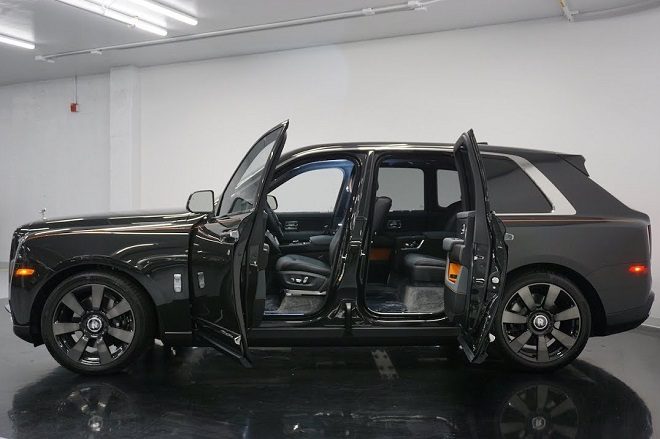
One subtle feature is the ease of entry. The doors open wide. The car lowers by 40 mm when you unlock it. It seems like a small detail. It isn’t. It shows that customer comfort is the primary focus. You don’t have to climb in. You step in.
Performance Specs
The numbers back up the luxury. The engine is a 6.75-liter twin-turbo V12. It produces 571 horsepower. Torque hits 850 Nm.
Acceleration is brutal. It goes from 0 to 100 km/h in 4.7 seconds. Top speed is rated at 250 km/h. Fuel consumption sits around 15 liters per 100 km. That is efficient for a car of this size.
The car also uses a four-wheel steering (4WS) system. This makes the massive vehicle feel surprisingly agile.
Pricing Context
When the Cullinan launched in 2019, the price tag started at $325,000. It was the most expensive SUV of its time. Prices vary by region. In markets with high import taxes or volatile currencies, the final cost can skyrocket. It remains an exclusive purchase.






The Weight of Innovation
The numbers tell the story. 2024 is shaping up to be the year the internal combustion engine finally admits defeat in the passenger car segment. Not with a bang. With a whimper. A quiet, electric sigh.
Consider the Toyota Mirai. It sat on the lot last week. Sleek. Aerodynamic. A hydrogen fuel cell sedan that promised zero emissions and zero compromise. But the reality is starker. The infrastructure is a ghost town. The cost per kilowatt-hour is astronomical. It’s a car built for a future that isn’t here yet. Meanwhile, the Tesla Model S Plaid does 0-60 in under two seconds. It’s a brute. It’s loud in its silence. It dominates.
Why does this matter? Because the transition isn’t linear. It’s messy. It’s political. It’s expensive.
“The shift to electric isn’t just about swapping engines. It’s about rewiring the entire supply chain.”
Look at Ford. They’re pivoting. The Mustang Mach-E is out. The new F-150 Lightning is here. They’re betting the farm on electrification. But can they sustain the margin? The battery costs are eating them alive. Lithium prices fluctuate like stock markets. Nickel. Cobalt. The supply chains are fragile. One mine closure in the DRC or a trade dispute in Asia and the whole house of cards trembles.
And then there’s Volkswagen. Their ID.4 and ID.7 are trying to capture the mass market. They’re not exciting. They’re not fast. They’re practical. They’re boring in the best way possible. They’re the Toyota Camrys of the EV world. And that’s exactly what the industry needs. Not every car needs to be a sports car.
The Performance Paradox
Enthusiasts are screaming. Where is the soul? Where is the roar? The new Porsche Taycan Turbo S has torque vectoring so advanced it feels like magic. It corners like a go-kart. But it’s silent. It’s sterile. It’s efficient.
Is efficiency the enemy of passion? Maybe. But look at the BMW i4 M50. It’s a gran turismo. It’s fast. It’s luxurious. It still has a grille. It still looks like a BMW. It’s trying to bridge the gap. And it’s working. Sort of.
The Mercedes-AMG EQS 53 is another contender. It’s heavy. It’s expensive. It’s powerful. But it’s also a tank. The battery adds nearly a thousand pounds. The handling suffers. You feel every bump. You feel the weight. It’s a statement. A heavy, expensive statement.
Compare that to the Lucid Air Dream Edition. It’s lighter. It’s longer-range. It’s sleek. It’s a spaceship. But can you buy one? The waitlist is months long. The production issues are real. Lucid is playing with fire. One recall and they’re done.
The Infrastructure Gap
You can buy the car. Can you charge it? That’s the real question. The Electrify America network is expanding. But it’s slow. It’s