The legend is back. After sitting on the shelf since the fourth generation retired in 2021, Mitsubishi is resurrecting the Pajero. And this time, they aren’t cutting corners. The upcoming flagship SUV isn’t a unibody crossover. It’s a serious, body-on-frame machine built to tackle terrain that would make lesser vehicles cry for mercy.
Reports from Japan point to a September 2 premiere for this reborn off-roader. Some markets know it as the Montero. The North American launch, however, is reportedly delayed until around 2030. That’s a long wait for enthusiasts, but Mitsubishi has a bigger family in the works.
Built On Truck Roots, Not Crossovers
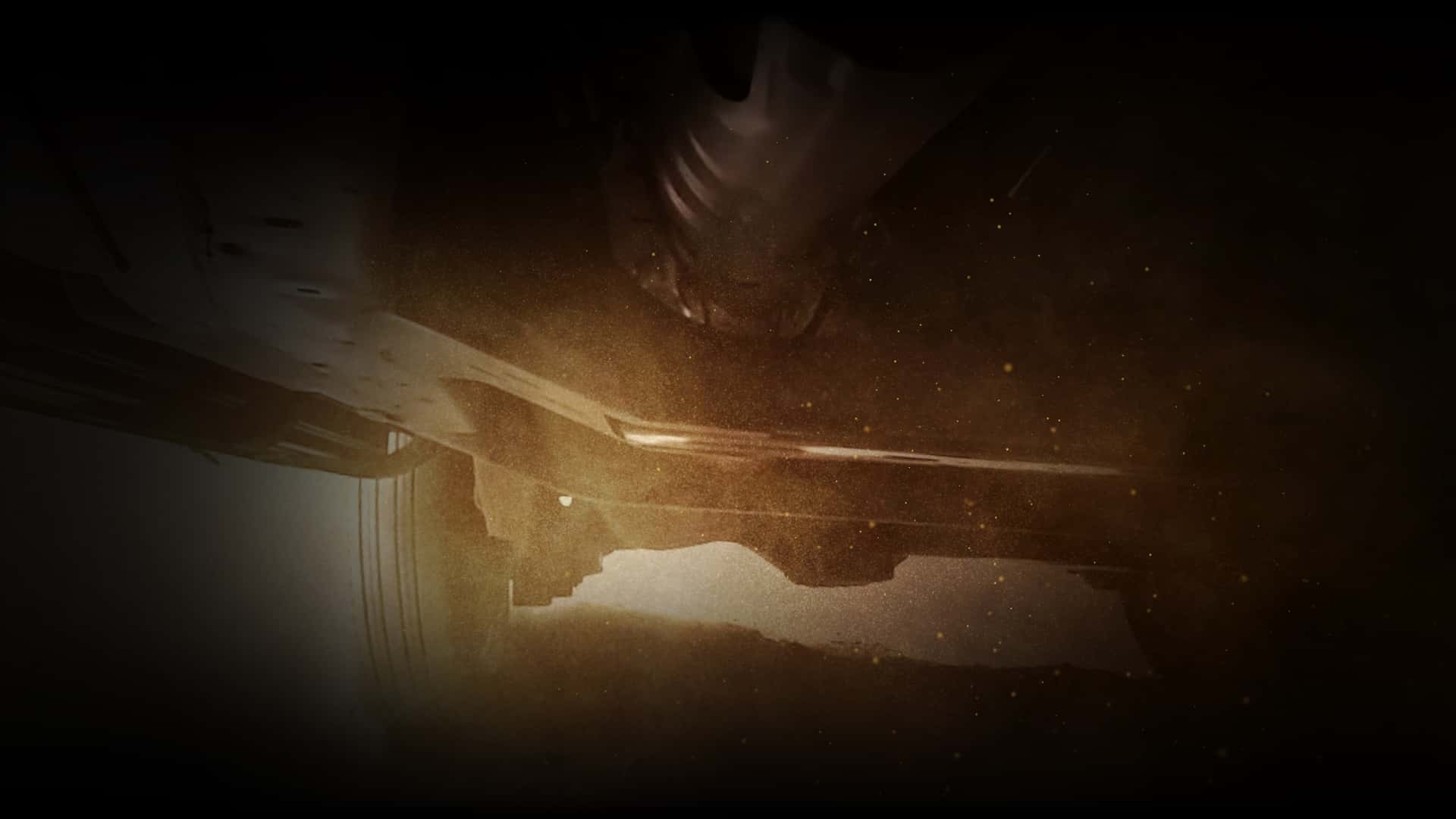
Forget the soft-suspended platforms of modern family haulers. The new Pajero sits on a ladder frame derived from the Mitsubishi Triton (L200). We know that pickup truck. It also serves as the backbone for the Nissan Navara. That shared lineage suggests a tough, durable underpinnings designed for abuse rather than asphalt cruising.
This is what happens when engineers prioritize utility. The body-on-frame construction ensures structural rigidity when wheels leave the ground. It also allows for better articulation over rocky trails. For buyers asking about the Mitsubishi Pajero new model specifications, the chassis is the headline feature. It’s a return to the brand’s core competency.
Advanced Torque Management
Under the metal, Mitsubishi promises what they call Super-All Wheel Control (S-AWC). It sounds like marketing fluff until you look at what it actually does. This isn’t just an on-demand AWD system. It’s an advanced four-wheel-drive setup with torque vectoring.
The system optimizes the torque split between the front and rear axles. The goal? Better traction. Improved stability. It actively manages power distribution to keep the vehicle pointing where you want it, even when surfaces get slippery or loose. Drivers will likely have access to selectable modes similar to the Triton. Think Normal, Eco, Gravel, Snow. But also the heavy hitters: Mud, Sand, and Rock. Low-range gearing with a locked center differential should be on the menu for serious crawls.
The new Pajero isn’t just reviving a name; it’s reviving the philosophy that SUVs should be capable before they are comfortable.
Cabin Tech And Old School Grit
Mitsubishi isn’t ignoring modern expectations. An earlier teaser revealed the return of a multi-info gauge pod. Fans of the original Pajero will appreciate this detail. It’s not just a digital screen. It’s a dedicated off-road monitor displaying pitch angles, roll angles, altitude, compass heading, and torque distribution. You can see exactly how the vehicle is moving through difficult terrain in real-time.
Inside, expect the materials to improve significantly over workhorse pickups. This is a family-oriented vehicle. Softer surfaces, better noise isolation, and more refined ergonomics should replace the utilitarian plastics of its truck sibling. It’s a bridge between hardcore capability and daily usability.
The Lineup And The Legacy
This initial debut is just the tip of the iceberg. Mitsubishi’s recent presentations hint at a broader family of models. If the flagship Pajero finds success, expect smaller derivatives to follow in coming years. They’re looking to compete directly with the Toyota Land Cruiser and Nissan Patrol. The market for body-on-frame SUVers is crowded, but the demand for genuine off-roaders remains strong.
The nameplate carries weight. Over thirty years, from its 1982 debut to its 2021 hiatus, the Pajero sold three million units. It earned a reputation for reliability. It survived harsh climates from the Middle East to the Australian outback. The challenge now is meeting the expectations of a new generation of buyers who have different definitions of luxury.
Mitsubishi is struggling financially. A successful Pajero revival could stabilize the brand. But the delayed US launch is a risk. Leaving that door closed until 2030 while competitors fill the gap seems like a missed opportunity. Still, watching Mitsubishi lean back into its truck roots rather than chasing electric crossover trends feels like a breath of fresh air. Unlike the rebadged Eclipse crossovers of recent memory, this Pajero will be unmistakably Mitsubishi.