Automakers are sweating over perception. It isn’t just about making cars that go further on a gallon of gas. It is about convincing buyers that hybrid technology doesn’t mean boring. Everyone knows the basic pitch. Switch between electric and gas. Save fuel. Help the planet. Simple logic.
But there is a hangover. The image of hybrids as slow. Torque-deficient. The kind of car you drive to the grocery store and back without feeling a thing. Gas engines have always promised quick acceleration. Big horsepower. High torque. Most hybrids use smaller engines to save fuel. They sacrifice that punch. Sporty drivers notice. They shy away. They stick to pure gasoline.
Car makers are trying to fix this. They want hybrids that actually drive fast. The interior and exterior need to match that speed. Enter the Honda CR-Z.
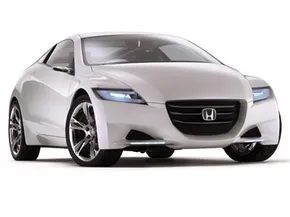
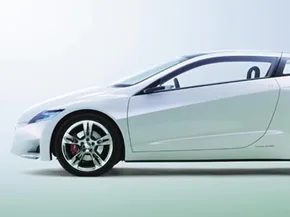
This is not your grandfather’s Civic Hybrid. The exterior design breaks away from previous norms. Honda is focusing less on the “eco” label and more on the sporty nature. The name itself tells you what is happening. Compact Renaissance Zero. It hints at small size. It hints at a new start in fundamentals. It is a redesign of what a hybrid can be.
When Will It Arrive?
The timeline has shifted. The CR-Z started as a concept car. Production was originally slated for 2011 or even 2012. That was the plan.
Honda moved the date up. Now it is set for a late 2010 release. Why the rush? Changing fuel standards. Growing demand for fuel-efficient technology. The market is waiting. Honda is listening.
Design Philosophy
“Honda’s focus with the new car looks to be less about the fact that it’s a hybrid and more about its sporty nature.”
The design cues are sharp. The proportions suggest agility. The lines cut through the air. It looks like it wants to move. Not just efficiently. Fast.
Key Design Elements
- Compact Footprint : Smaller than standard sedans. Easier to maneuver.
- Sporty Aesthetics : Low stance. Aggressive front fascia.
- Hybrid Integration : The electric motor is hidden. The gas engine is smaller. The result is a car that doesn’t look like it is carrying heavy batteries.
The CR-Z challenges the idea that hybrids must look like appliances. It looks like a toy. A serious one.
Why This Matters Now
The shift in release date signals urgency. Regulations are tightening. Consumers are becoming more aware of their carbon footprint. But they also want to enjoy driving. The CR-Z sits at that intersection. It is not just another efficient car. It is a statement.
Will it change the perception? Maybe. The early adopters will test it. The rest will watch. The design is bold. The promise is clear. Speed and efficiency in one package.
The automotive world is watching. The CR-Z is just the beginning. What comes next? That remains to be seen. The race is on.

Look at the current Honda lineup. Now look at the CR-Z. It doesn’t fit.
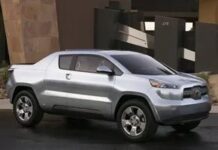
It’s not just different. It’s alien. Honda isn’t trying to tweak the Civic anymore. The Civic, and its hybrid sibling, look like siblings. They share DNA. The CR-Z breaks that mold entirely. It’s a statement. A weird, angular, aquatic statement.
The front end dives. Hard. It slopes down into a low, wide grille that swallows light. There’s something organic about it. Like a ray or a shark. The windows follow that same aggressive rake. They slide back and up, creating a sleek hatch that looks fast even when it’s parked.
Inside the Compact Cockpit
Don’t let the size fool you. It’s a two-seater. Tiny footprint. But Honda claims the interior breathes. It’s designed for space, not just minimalism.
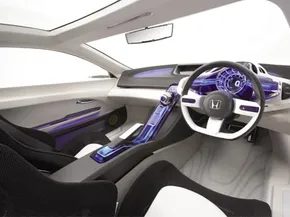
The materials tell the story. Mesh seat covers. Simple. Functional. No leather piles. Early concept shots showed a dashboard that looked like a piece of sci-fi prop. Shiny. Glass-covered instrument panel. Digital. Cold.
It’s futuristic. But it’s also nostalgic.
The CRX Connection
Fans know the name. CR-Z. It’s a direct call-back to the CRX. That was the Honda from the 80s and early 90s. Compact. Light. Hatchback. Sharp angles. The CRX dominated the 1983-1991 era.
Why skip Y?
Think about it. CR-X. Then CR-Z. Skip Y. Why? Because CR-Y sounds like a yogurt brand. Or a chemical compound. Honda laughed. They went straight to Z.
Under the Hood: The Hybrid Shift
The CRX was gas-guzzling pure performance (for its time). Light. Agile. But it drank fuel.
The CR-Z is different. It’s a full-on hybrid.
Honda didn’t just slap a Prius battery into a CRX shell. They built a new powertrain. One that matches the car’s aggressive styling.
Honda CR-Z Specs
The numbers back up the design. This isn’t a grocery getter. It’s a driver’s car with an electric assist.
- Engine: 1.5-liter 4-cylinder i-VTEC
- Electric Motor: Integrated Starter Generator (ISG)
- Transmission: 6-speed manual or CVT
- Horsepower: 122 hp (combined system output)
- Torque: 128 lb-ft
- Weight: Approximately 2,400 lbs
The weight matters. The CRX weighed less. The CR-Z is heavier due to the battery and motor. But it’s still light for a car.
How Does the Hybrid System Work?
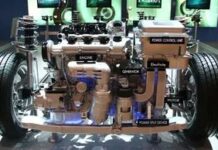
The system is called Honda’s Integrated Motor Assist (IMA). It’s not like the Toyota Prius. The Prius prioritizes electric speed at low RPMs. The CR-Z prioritizes gas efficiency under load.
The electric motor kicks in during acceleration. It fills the torque gap. It makes the car feel quicker than the specs suggest. It’s subtle. But you feel it.
Why Choose the
Honda CR-Z Hybrid Specs: Civic Heart, Insight Brain
The CR-Z might look like a sci-fi concept, but under the metal, it’s just a Civic with a new attitude. Honda is slapping the Civic’s proven 1.8-liter SOHC i-VTEC engine into this hybrid coupe. It’s a single overhead cam setup that churns out 140 horsepower. That’s huge for a hybrid gas engine in this class.
On paper, that pure gasoline engine pulls 25 mpg in the city. The highway jumps to 36 mpg. Combined average sits at 29 mpg. That’s solid for a non-hybrid, but the real story is what happens when you add electricity.
Integrated Motor Assist: Saving Weight and Space
Honda didn’t reinvent the wheel here. They borrowed the electric drive system from the Insight. The Integrated Motor Assist (IMA) system. It’s compact. Thin enough to tuck between the engine and transmission. This saves space in a small hatchback footprint.
The electric motor kicks in at low speeds. It helps on uphill climbs. It basically smooths out the torque curve.
“The IMA’s design is thin, allowing it to fit between the engine and transmission to allow for more space.”
Manual Transmissions and Drive-by-Wire
Executives promise two ways to drive this thing. An automatic option. Or a manual stick shift. This is rare for hybrids right now.
The throttle uses drive-by-wire technology. No physical cable. The computer interprets your foot pressure. This pairs well with the IMA.
Honda also offered a CVT option from the Insight lineup. It couples with the drive-by-wire setup. This lets the engine stay in its sweet spot.
The Lightness Factor: 2,800 Pounds
Weight kills fuel economy. Especially in hybrids. Old packs were heavy. Irony at its finest.
The CR-Z tips the scales at just 2,800 pounds. That’s 1,270 kilograms. Lighter body. Smaller battery. Less mass to move.
Honda cut costs by mixing parts from existing models. Civic engine. Insight electric system. This approach reduces R&D overhead. It also keeps the price down.
Many older hybrids are bogged down by heavy battery packs. The result? Poor mpg. The CR-Z avoids this trap. Smaller battery means less weight. Less weight means better efficiency.
Why This Matters for Hybrid Enthusiasts
This isn’t just another grocery getter. It’s a sporty coupe that actually cares about gallons per mile. The combination of a high-revving SOHC engine with electric assist creates a unique driving character.
The manual transmission option is the cherry on top. Most hybrids force you into automatic mode. This one lets you shift. You control the gear ratio. You control the engine speed. It’s engaging.
The CR-Z proves you don’t need a massive battery to get good numbers. You just need efficiency. The Civic heart provides power. The Insight brain provides assistance. The result is a car that weighs less and burns less.
Is it the best hybrid coupe you can buy? Maybe not. But it’s a start. Honda is betting on lightweight engineering over heavy battery packs. It’s a gamble. But the specs look promising.
The tech is borrowed. The execution is new. The CR-Z sits in a weird spot. Not quite a Prius. Not quite a Civic Si. It’s something else entirely.
We’ll see how the real world handles it. The numbers look good on paper. The drive might tell a different story. Either way, it’s a interesting step for Honda. And for anyone who likes hybrids that don’t look like appliances.