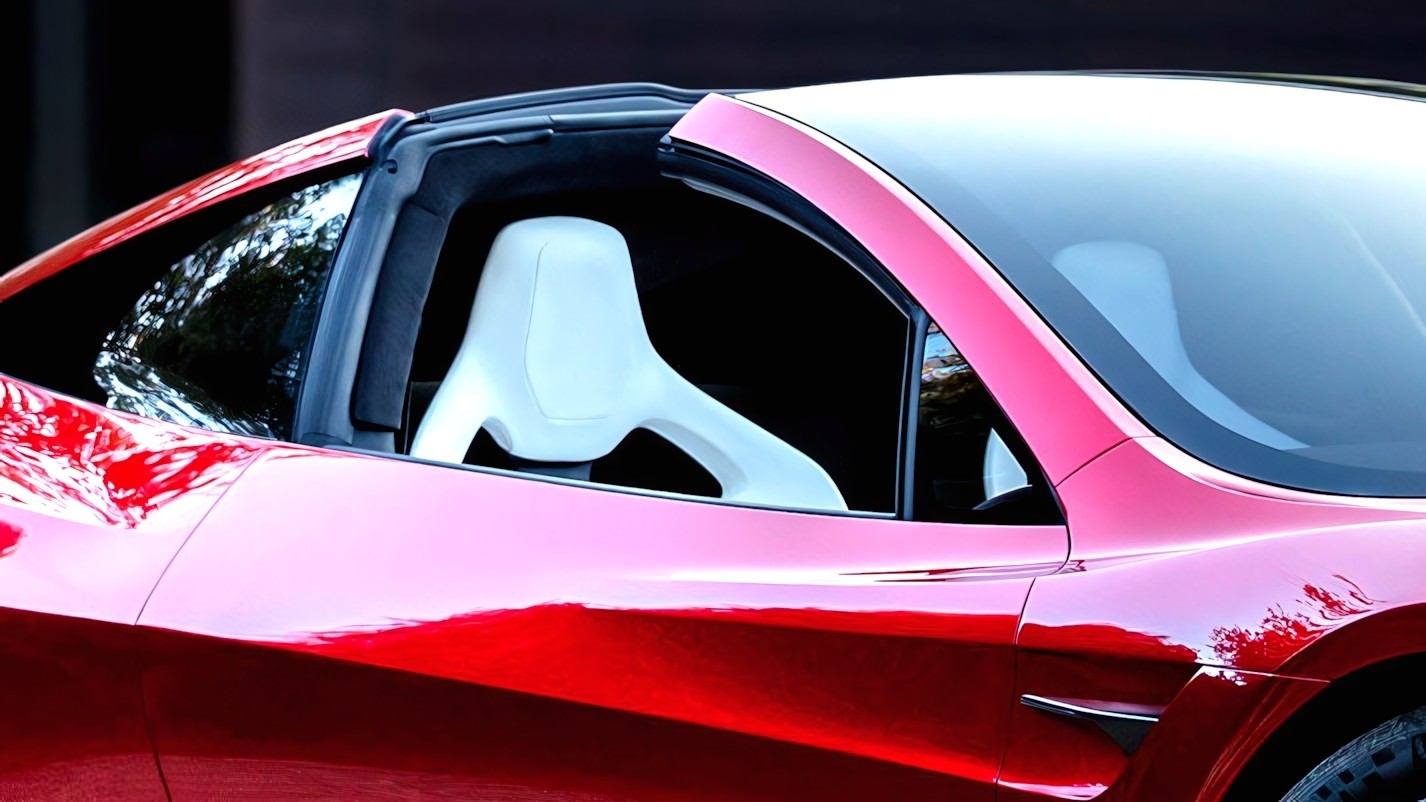
Tesla has filed a new patent for a radically redesigned car seat, signaling potential progress on the highly anticipated Roadster – a vehicle that has been in development since 2017. This isn’t just about comfort; it’s a core part of Tesla’s strategy to push performance boundaries through weight reduction and structural efficiency.
The Problem with Traditional Car Seats
Most car seats are assembled from numerous metal parts, hinges, and brackets. This adds unnecessary weight and creates potential failure points over time. Tesla’s solution is a monolithic, single-piece seat structure made from advanced composite materials like Kevlar-nylon and carbon-nylon. This approach streamlines construction, minimizes mass, and increases durability.
Integrated Design for Extreme Performance
The patent details a seat where the base, backrest, headrest, and side supports are molded into one continuous shell. Unlike conventional recline mechanisms that rely on metal gears, Tesla’s design uses integrated flexible hinges. This means the seat itself bends where needed, offering precise support during high-acceleration maneuvers or sharp turns. The company also intends to replace ordinary electric motors and rails with small actuators that allow six degrees of movement, meaning it can move the seat with more precision than most luxury vehicles.
Why Now? The Roadster’s Long-Delayed Return
This patent surfaces as Tesla prepares for a design reveal of the Roadster on April 1st. The car has been stuck in development for years, with an original 2020 launch date long passed. Recent trademark filings for updated Roadster badges suggest Tesla is finally gearing up for a full production reveal.
“Weight reduction has always been one of Tesla’s tenets as an engineering company, as well as the move to large castings for structural components. A more graduated and integrated seating configuration makes a lot of sense in that strategy, especially for a vehicle that is eyeing extreme acceleration figures.”
What This Means
Tesla’s new seat patent isn’t just an isolated upgrade. It’s part of a broader push toward structural integration and extreme performance. The Roadster, when it finally arrives, is expected to deliver unparalleled acceleration and handling, and this seat design is a key component in achieving that goal. The long wait may be justified if Tesla delivers on its promise of a groundbreaking supercar.