A clean car looks nice. It shines. But apparently, in the eyes of one Canadian driver, it also demands the freedom to fly down the highway like a rocket. Police in Coquitlam, British Columbia, disagreed. Hard.
Here is the reality: you cannot explain away reckless driving because your sedan is damp.
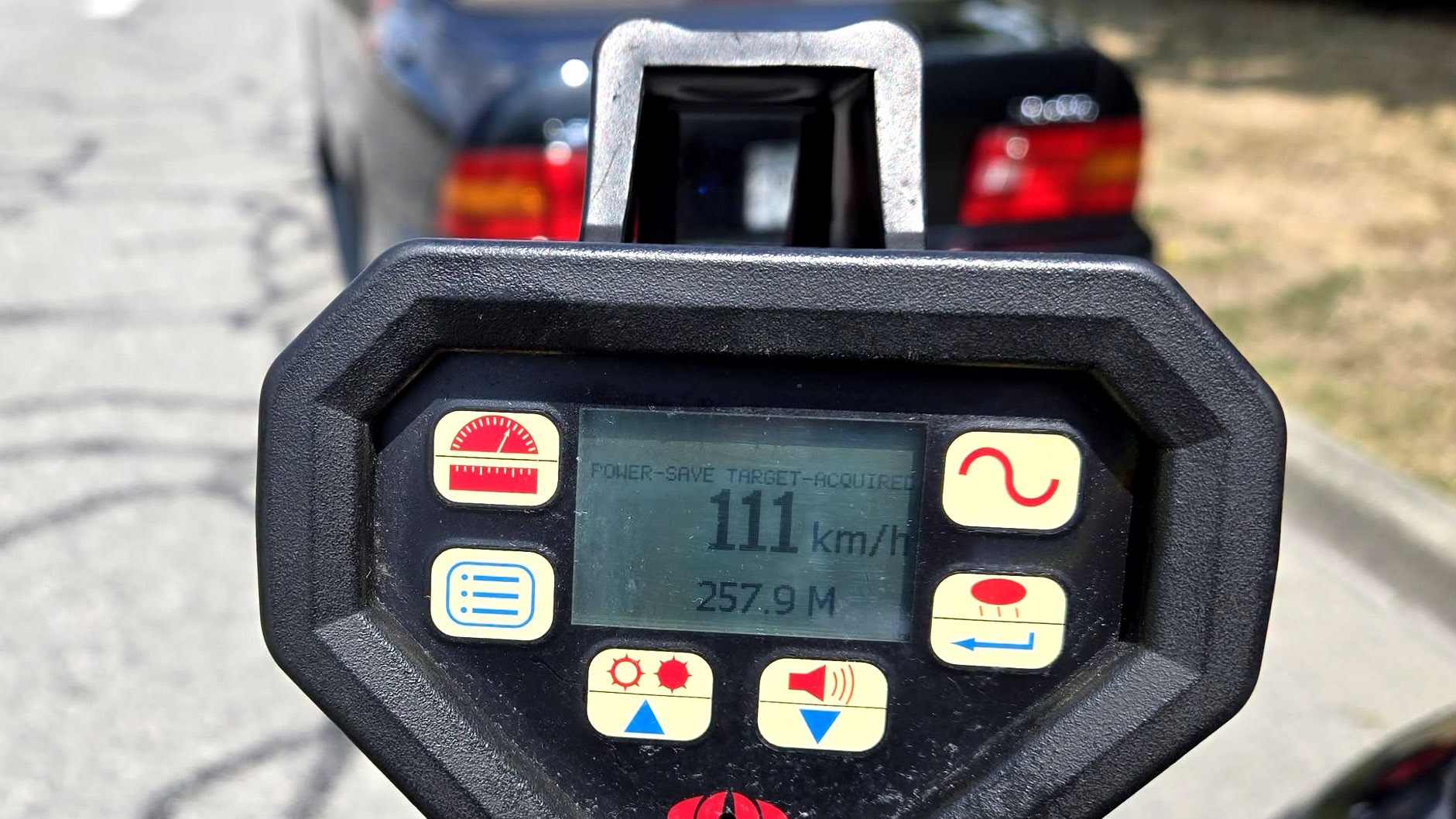
The Coquitlam RCMP Traffic Services Unit caught this motorist doing 111 kilometers per hour (69 mph) in a zone clearly marked for 60 km/h (37 mpl). That is not a margin of error. That is nearly double the legal limit. When officers pulled the driver over, expecting perhaps a momentary lapse in judgment or a bad day, they got something far more bizarre.
The driver claimed they had just washed the car.
Their logic? They were trying to shake off water droplets by driving fast. Yes. Really.
Excessive Speeding Violations In Canada
We all hate water spots. Nobody wants mineral deposits drying on their paintwork. It ruins the finish. But trying to air-dry your vehicle by treating the highway like a blow-dryer is a terrible strategy for three reasons:
- It is illegal.
- It is dangerous.
- It is ridiculous.
RCMP officers were not amused. Traveling at 111 km/h in a 60 km/h zone puts everyone else on the road at serious risk. In British Columbia, this crosses the line for excessive speeding. It is a specific category of violation because the risk factor increases dramatically as speeds climb.
The officer on the scene saw past the wet paint and the weak excuse. They saw a public hazard.
The Consequences Of Speeding Tickets
What happened to the driver who thought physics would forgive them? The punishment was swift and severe.
The officer issued a violation ticket. But they didn’t stop there. Under BC laws regarding excessive speeding, authorities have the power to impound vehicles. In this case, the car was seized for seven days.
Think about that. Seven days without your car. No commuting. No grocery runs. Just a note on the windshield and a tow truck waiting in the distance.
Was it worth losing the water spots on the hood for a week of silence? Probably not.
Identifying The Speeding Vehicle
Police released a photo of the incident to the public. The image is grainy. Blurry even. Identification is tough. You can’t see license plates. You can’t see faces. But if you look closely at the silhouette, it looks like a mid-1990s Lexus LS, specifically the second generation model produced from 1994 to 2000.
Of course, the make and model aren’t officially confirmed. The driver’s identity remains hidden too. The RCMP didn’t release names. They just wanted to make a point.
The message is clear: washing your car does not grant immunity. It certainly does not justify breaking the speed limit by 85%.
So keep the soap, the sponge, and