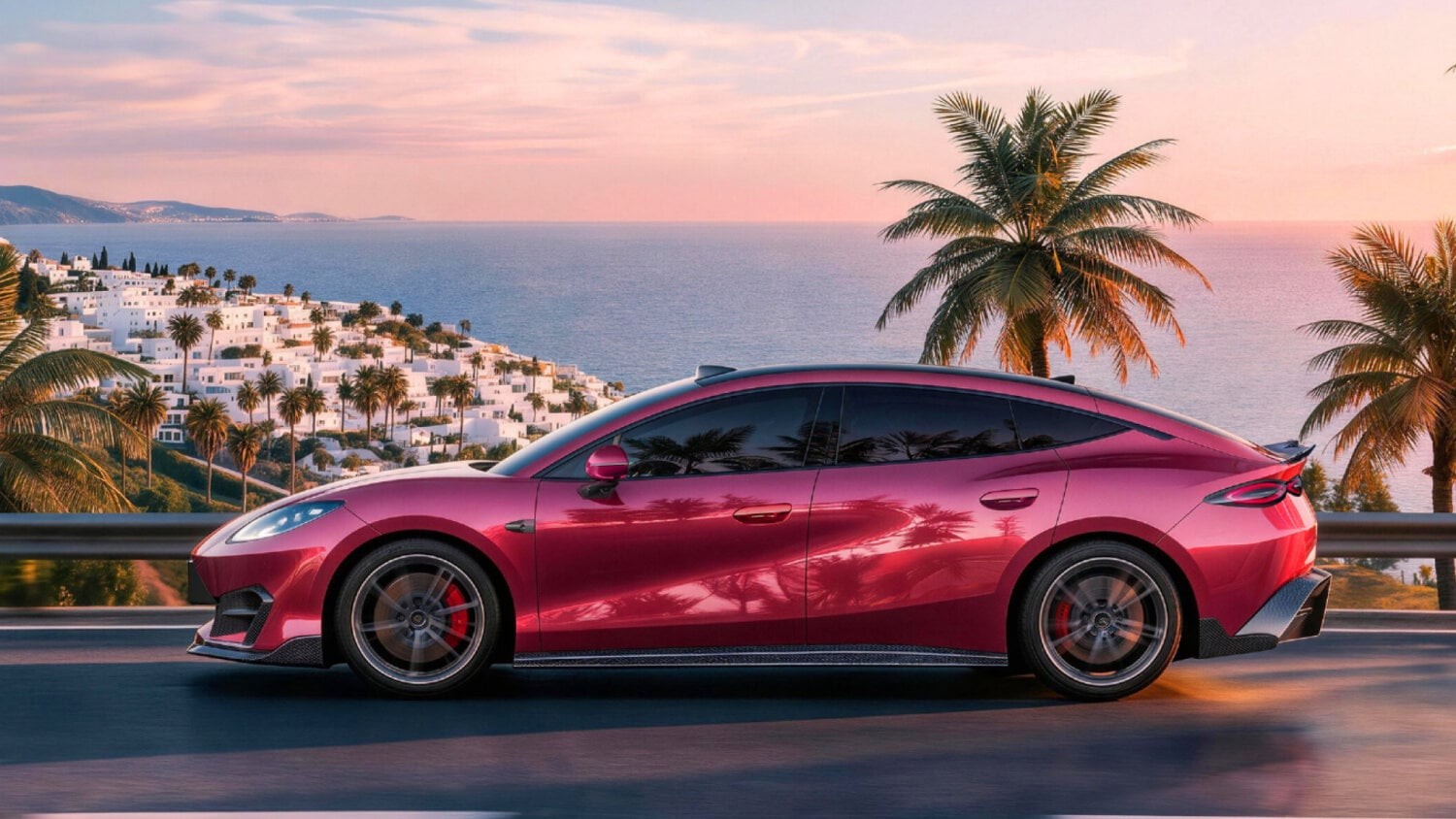
The range figures are out. And they’re big.
We’re talking up to 900 kilometers under the strict CLTC testing cycle for the BYD Fang Cheng Bao Fangcheng Bao Formula S. Yes, the name is a mouthful. But the numbers? They’re clean.
The sporty liftback just made its official debut via Chinese regulators. And it’s not just chasing style points. This car is built for distance. If you opt for the station wagon variant—the Formula S GT—you’re looking at a solid 850 km.
Breaking Down the 900KM Claim
How does BYD pull off this kind of efficiency? It comes down to battery chemistry and smart engineering. The long-range Formula S liftback houses a massive 92.094 kWh LFP pack.
This unit weighs 633 kilograms. That heft comes from the chemistry. Lithium iron phosphate cells. They’re safer than the high-nickel alternatives and, apparently, capable of pushing through long stretches of highway without frequent stops.
This battery supports “flash charging.” Which sounds like marketing speak. But in reality, it means rapid top-ups. The rear axle motor gets a boost here too. You’re getting 300 kW. That’s roughly 402 horsepower. Enough to shove this heavy liftback to speeds that make highway merging effortless.
Entry Level vs. Max Out
Not everyone wants the range. Or the weight.
If you scroll down the government’s tax reduction list from the MIIT (Ministry of Industry and Information Technology), you’ll find a simpler spec. The entry-level model takes a smaller hit on capacity but gains simplicity.
It uses a 76.7 kWh LFP pack. Weight drops to 539 kg. Range is a still-impressive 720 km CLTC. It pairs with a 245 kW motor. All-wheel drive? That’s the wild card. MIIT didn’t list the 490 kW dual-motor AWD version for the sedan. But everyone knows it exists. That beast promises 657 horsepower.
The GT station wagon flips the script. Standard spec gets the big battery. A rear-wheel-drive model hits 850 km AWD versions sacrifice range for grip, settling at 730 km. You give up 120 kilometers for better handling in the mud or snow. Fair trade.
Practicality Meets Performance
Dimensions matter when you’re towing a boat. Or just fitting a golf bag.
The liftback stretches over 5 meters long. 5.06 meters exactly. Width is 1.96 meters. Wheelbase is nearly three meters. That cabin room? It’s cavernous. You’ll need 19 or 20-inch shoes to fill those arches, obviously.
Curb weight? Just shy of two and a half tons depending on your choice of options. That’s heavy for an EV. But the insulation from noise and vibration will likely be superb.
The Fang Cheng Bao Formula GT adds practicality to speed.
And then there’s the GT. The estate. The shooting brake. Call it what you want. It loses five centimeters of length compared to the liftback. 5.025 meters. But gain utility.
Towing capacity is 500 kg. Add a tow hook, and the car stretches to 5.095 meters. Suddenly, those awkwardly large family trips feel a little more feasible. Weight creeps up to 2.28 tons max. But at what cost to fun?
Why This Matters for EV Buyers
BYD started this brand, Fangchengbao, for off-roaders. Think tough. Rugged. Boasting nearly 28,000 sales in China alone in June alone. That’s a 47.6% jump. Not bad for a niche brand.
But the market is changing. Electric sports cars. Sleek. Fast. Range-extending beyond range anxiety.
The Formula S and Formula S GT aren’t just for domestic play. The Denza brand will likely export them. The styling matches the Denza Z. Which hit the UK market earlier. You’d barely know the difference in silhouette.
LiDAR sits on the roof of the liftback. Hinting at DiPilot 5. A sophisticated driver assist. One that sees further than the human eye can.
The Verdict on Range Realities
Let’s be clear about the 900 km figure. That’s CLTC. Urban cycling combined with mild highway use. Real world? Maybe 75% of that. Still 675 km. Enough for a trip from Beijing to Shanghai and back without panicking.
Why does this matter? Because range anxiety isn’t dead. It’s just evolving. We still worry. Not about leaving the car behind. But about whether the charger will actually work. Or be broken.
The Formula S promises a solution. More kWh. Better thermal management. Aesthetics that don’t scream “taxi.”
Will it win over petrol-heads? Unlikely. The torque curve is wrong. The engine noise is absent.
But for those willing to trade the roar for the whisper? This is a contender. One that stretches across the country without looking at a plug every two hours.
What happens when the next model drops with even more juice?