Renault just pulled a fast one. After hitting us with the Rafale, the Scenic E-Tech, and that little electric Renault 5, the French giant decided to leave its home market in the dust. Again.
This isn’t an oversight. It’s a calculated move. The new car is a symbol. A showpiece built to scream “French luxury” to ears that actually listen. It’s designed for other continents. Not here.
Why The Renault Filante Targets Export Markets Over Home Soil
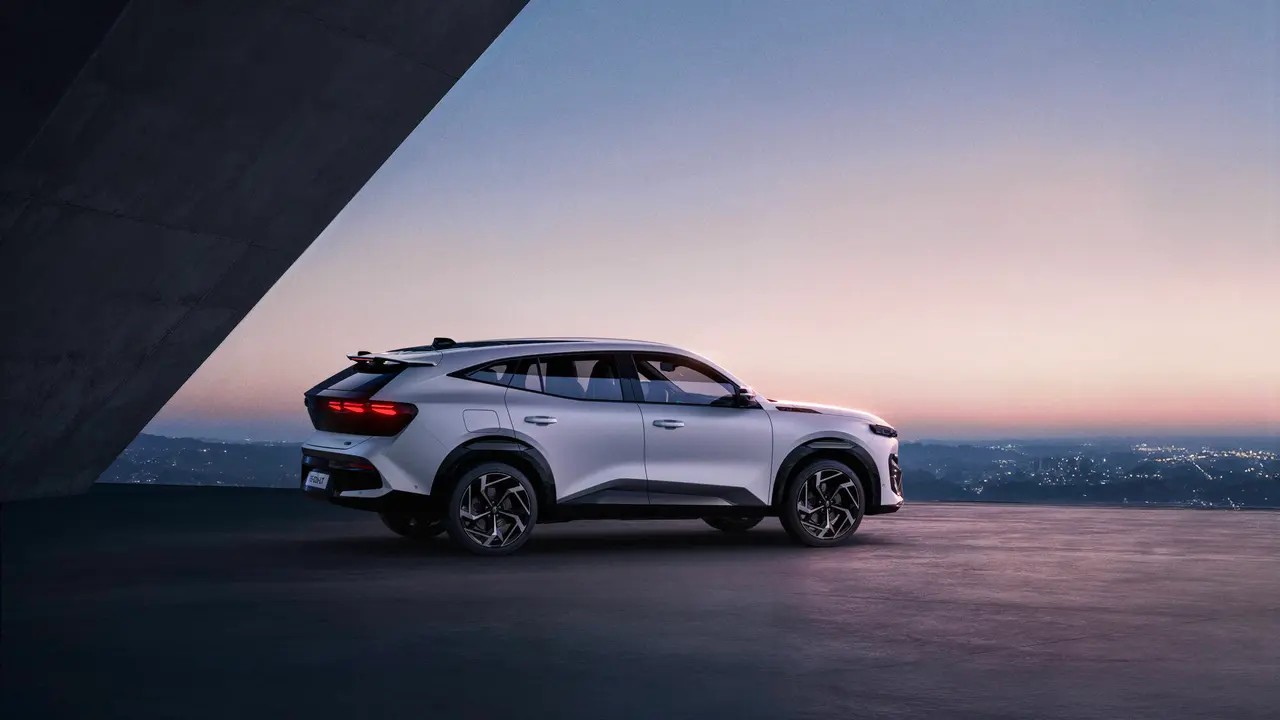
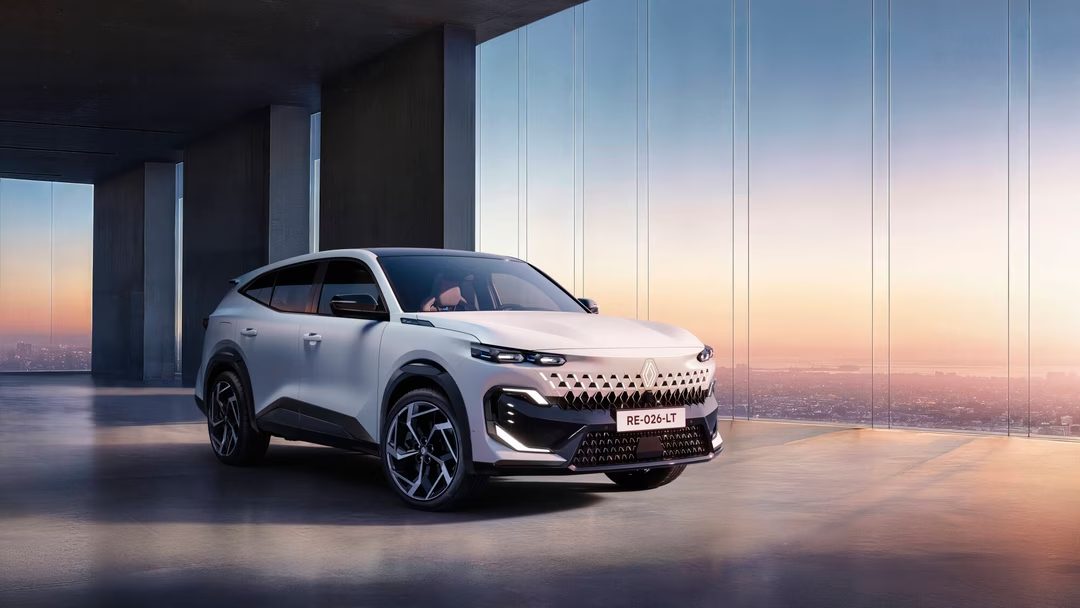
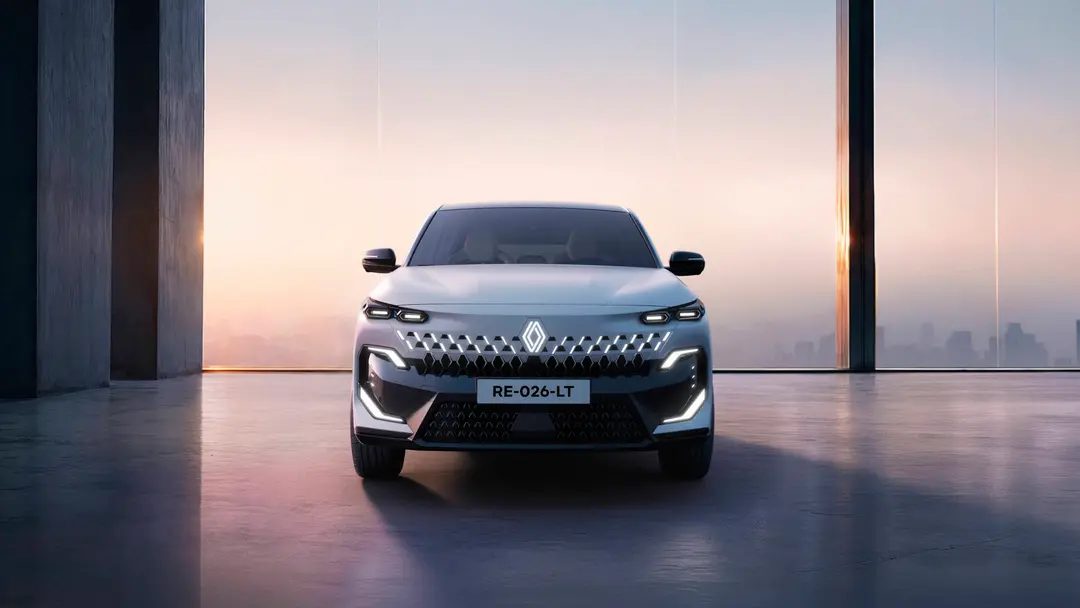
The vehicle is called the Renault Filante. It’s a crossover, but don’t expect the usual soft, rounded edges we’ve seen from the brand for years. This thing looks expensive.
The design language is sharp. Taut lines. A long, slender silhouette. The lighting signature is sophisticated, almost aggressive. Renault stopped trying to hide behind modesty. They want you to notice.
It’s a premium SUV with an identity that doesn’t apologize for taking up space. The aesthetic is deliberate. It’s meant to look like a statement on roads outside of France.
The strategy is clear: build a vision of high-end French automotive design, then sell it where the image matters more than the badge history.
It’s strange, really. You’d think the home crowd would get first dibs on the shiny new toys. But Renault sees the Filante as a global ambassador. A premium flag that flies higher in distant markets than in the streets of Paris.
The specs? We’re looking at a vehicle that leans into the electric transition without losing the soul of a proper crossover. It’s sleek. It’s bold. And it’s not coming to your local dealer anytime soon.

The Filante looks sharp. It’s just not for you
The Filante leans hard into that premium coupe-SUV aesthetic. You know the type. Sloping roofline, aggressive stance, the whole deal. It’s designed to hit you in the face with style. And it works. The proportions are tight. The details? Obsessively curated. Renault is clearly trying to prove a point here. They want you to look at this thing and think, “Okay, maybe they can play with the big boys.” Stylistically, it’s a statement. A loud one.
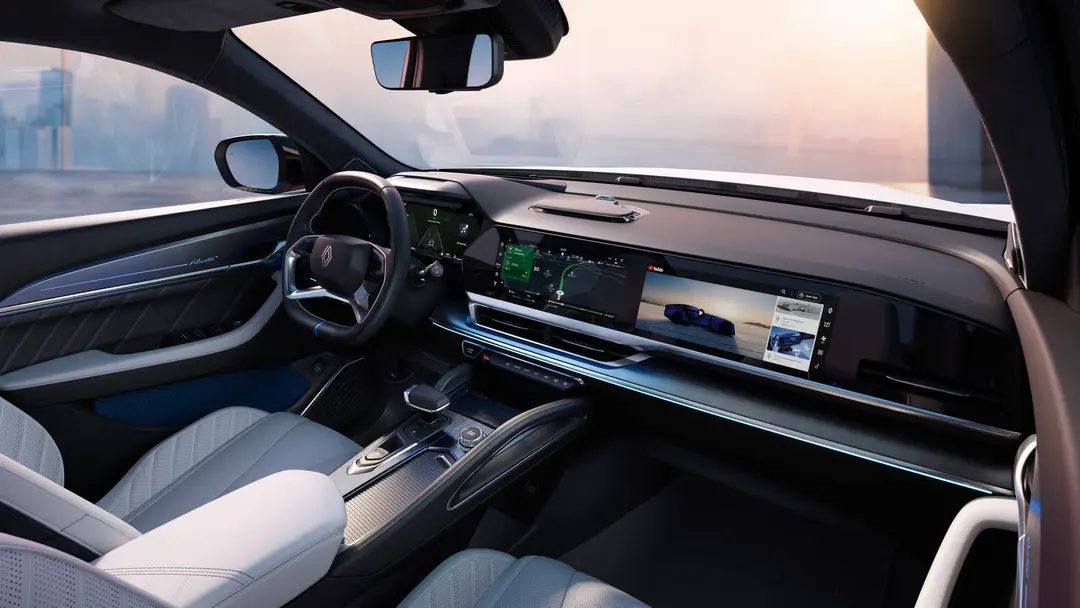
Step inside. The vibe shifts. It’s clean. Minimalist, but not empty. The materials feel expensive. The tech is front and center. It’s supposed to be the brand’s new flag bearer. A direct shot at shaking off that generic, budget-friendly image that still clings to the nameplate. On paper, on screen, it’s a winner.
Why you won’t see the Renault Filante in Europe
Then comes the kicker. The frustration.
For all the polish, for all the premium cues, the Renault Filante is ghosting Europe. No France. No UK. No Germany. Not right now, anyway.
It’s not a supply chain hiccup. It’s a strategy. Renault knows its brand perception varies wildly depending on where you stand. In Europe, they’re fighting uphill battles against entrenched premium rivals. In other parts of the world? The narrative is different. The appetite for a stylish, tech-forward SUV from a French manufacturer is higher. The competition looks different.
So they’re taking the win where it counts. This isn’t a global rollout. It’s a targeted strike. If you’re in Europe, you’re watching from the sidelines. A beautiful, distant show car that you can admire, speculate about, and ultimately, never buy.
Leveraging the “semi-premium” halo in key markets
Renault doesn’t carry the same weight everywhere. In Western Europe? It’s an economy brand. In parts of Asia, the Middle East, and Latin America, the perception shifts. The badge holds more prestige. It edges closer to a semi-premium tier. This geographic nuance is central to the Filante’s existence.
The car isn’t just a product launch. It’s a strategic adaptation. It answers local expectations. Where status matters, design becomes the primary weapon. The Filante leans into that. It uses sharp lines, aggressive stance, and exclusive detailing to bridge the gap between mainstream volume sales and premium aspiration.
The design is a lever for conquest.
It’s not about hiding the Renault roots. It’s about amplifying the ones that resonate with buyers who view the brand differently. They expect a certain gravitas. The Filante delivers that through visual language alone. High-end positioning isn’t just about price here. It’s about presence.
Why the Renault Filante stays a European ghost story
Renault is playing a cold game in Europe. Volumes first. Electrification second. Style third. It’s a rational approach for a continent fighting against the car itself. But for us? It leaves a hollow feeling. We want badges we can wear with pride. Not just boxes that move people.
The Renault Filante changes nothing about that reality. It sits there as a tech showcase. A design manifesto. It shapes the brand’s future language without actually touching the asphalt.
The car influences the brand even while absent from the roads.
That’s the rub. Premium SUVs flood the market. Everyone else is stacking height and chrome. Renault could pivot. If the brand image climbs, if demand shifts, a European adaptation of this coupe isn’t impossible. It’s just not happening now.
So the Filante remains a symbol. Ambitious. Bold. Seductive. And entirely out of reach for French buyers. Frustrating? Yes. But isn’t desire fueled by what you can’t have?