After weeks of sustained increases, fuel prices have begun to decline for the first time since late February. This shift follows a significant geopolitical development: Iran has officially declared that the Strait of Hormuz remains “completely open” to commercial shipping.
The Geopolitical Catalyst
The announcement, made via X by Iranian Foreign Minister Abbas Araghchi, linked the continued openness of the Strait to the ongoing ceasefire in Lebanon. By confirming that commercial vessels can follow coordinated routes through this vital maritime corridor, Iran has significantly reduced the immediate fears of a supply disruption.
The impact on global energy markets was instantaneous:
– Brent crude oil plummeted from approximately $98 per barrel on Friday morning to $88 within hours.
– This roughly 10% drop in oil prices is the primary driver behind the easing pressure on retail fuel costs.
Relief at the Pumps
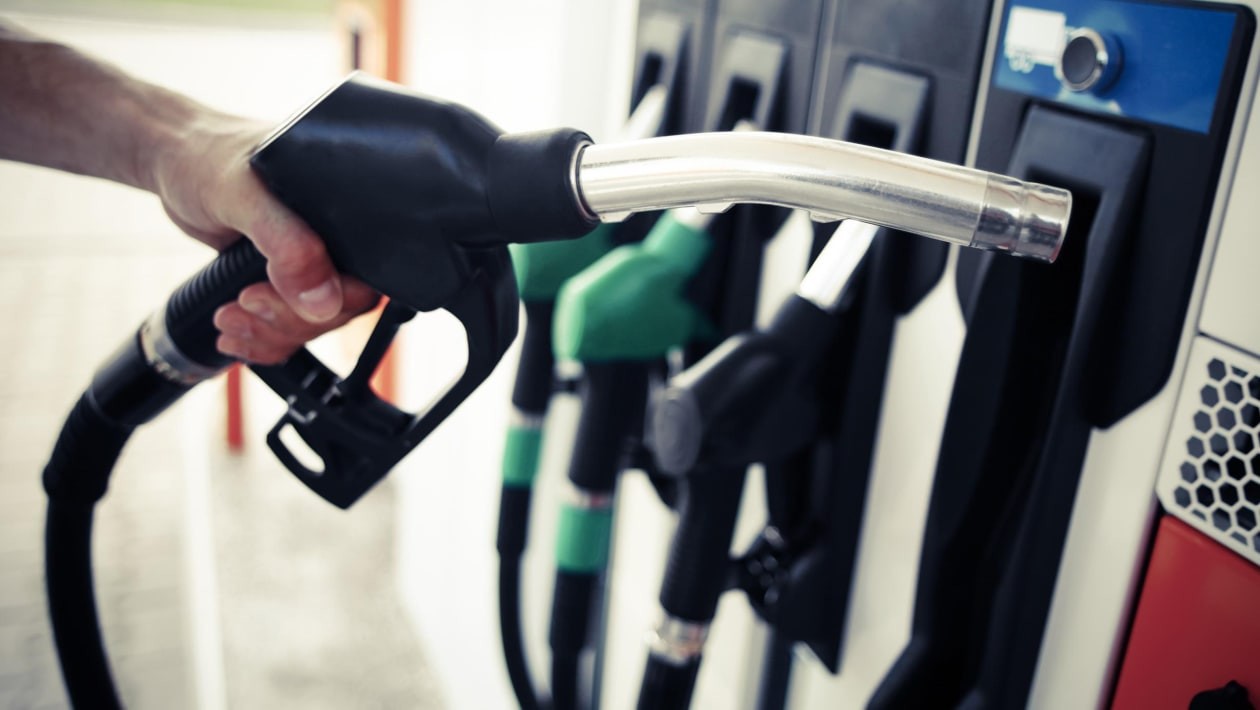
The decline in wholesale oil prices is finally trickling down to consumers. According to data from the RAC, petrol and diesel prices have seen their first downward movement in nearly two months.
Recent Price Trends:
- Petrol: Dropped from 158.31p per litre on April 16 to 157.97p on April 17.
- Diesel: Fell from 191.54p per litre on April 15 to 190.94p over the following two days.
While these initial reductions are modest, industry experts are optimistic. Simon Williams, Head of Policy at the RAC, noted that because wholesale prices are currently lower than retail prices, consumers may see further reductions of several pence per litre in the near future.
The “War Premium” and Economic Impact
The recent conflict has imposed a heavy financial burden on motorists. The RAC Foundation estimates that the “war premium”—the inflated cost of fuel caused by geopolitical instability—has cost drivers an additional £1.4 billion compared to pre-conflict levels.
Beyond the individual cost to drivers, this surge has resulted in an unexpected windfall for the government, which has collected tens of millions of pounds in additional VAT revenue due to the higher prices.
Market Volatility and Regulatory Oversight
Despite the recent dip, the market remains sensitive. Last month saw unprecedented volatility, with petrol and diesel prices rising by 20p and 40p per litre, respectively. This volatility also triggered panic buying in March; Ben Nelmes, CEO of New Automotive, noted that consumers rushed to fill tanks due to both price hikes and unfounded rumors of fuel shortages.
To protect consumers, the Competition and Markets Authority (CMA) is closely monitoring the situation. The regulator is specifically looking for “rocket and feather” pricing—a phenomenon where fuel companies quickly raise prices in response to wholesale increases but are slow to lower them when costs drop.
“It is important that [price increases] reflect genuine cost pressures… We will be closely scrutinising and reporting on what’s happening with fuel prices and call out any concerning behaviour.” — Juliette Enser, Executive Director for Markets at the CMA
Conclusion
While the opening of the Strait of Hormuz has provided much-needed relief to global oil markets and started a downward trend in fuel costs, the speed of future price drops remains uncertain as regulators watch for market fairness.