Ask around any diesel forum. You’ll hear two terms tossed about like cheap shot glasses: EGR delete and EGR block-off plate. Folks treat them as synonyms. Then they fight over which is superior, blind to the fact they aren’t talking about the same job. They’re related. Sure. But different. And if you don’t understand the difference, your diesel engine might disagree with your modifications.
Here’s what actually happens to that exhaust gas. And why it matters.
The EGR Problem
Exhaust Gas Recirculation (EGR) sounds civilized. The idea? Take some spent exhaust. Force it back into the intake manifold. Mix it with fresh air. Burn it again. This keeps peak combustion temperatures down, which curbs nitrogen oxides. Those are the pollutants the government hates. So you get cleaner air.
The problem isn’t the concept. It’s the mechanics.
The system pumps hot, dirty exhaust gas straight back into the lungs of the engine. Soot doesn’t vanish. It accumulates. It cakes onto the valve. It coats the intake. Worse yet, the EGR cooler—subjected to constant thermal stress—often cracks. A crack means coolant leaking into the intake or exhaust. That is how minor repairs turn into bankruptcy-level bills. No wonder people want it gone.
What Is a Block-Off Plate?
Imagine a flat piece of metal. Steel. Or billet aluminum. You bolt this thing over the hole that connects the EGR circuit to the intake. That’s it. A plug.
This physically stops exhaust gas from recirculating through that specific path. No more fresh soot flooding the intake from that side. It’s simple. Cheap. A mechanical stopgap.
But does the car know this is happening? No.
The ECU (engine computer) still thinks the system is live. The cooler is still there. The valve is still mounted. The plumbing is untouched. The computer is waiting for data that will never come. You’ve plugged the drain, but you left the tub in the house. It’s a partial fix. A bandage on a broken bone.
What Is an EGR Delete?
Now we’re talking surgery.
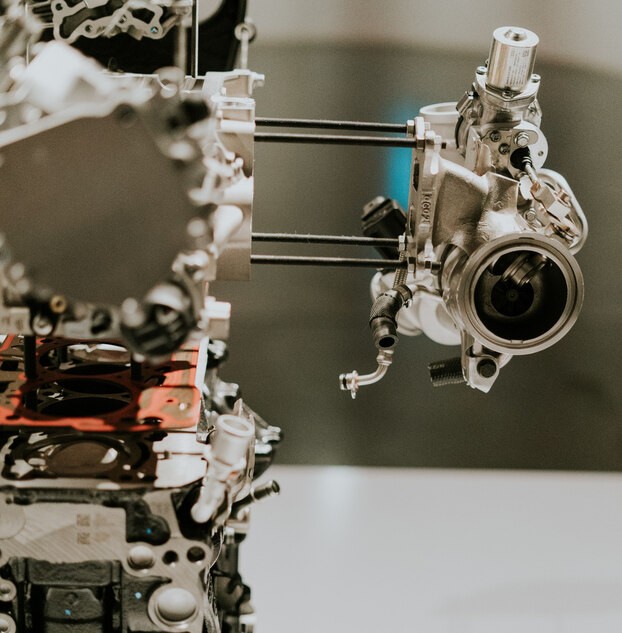
An EGR delete isn’t just blocking a pipe. It rips the entire system out. Gone. You block the ports. You remove the cooler from the coolant circuit. You install reroute pipes so water keeps flowing without the cooler in the way. That’s the hardware half.
Here is where people slip up. The software.
The ECU expects an EGR system. Remove the hardware without fixing the code, and your truck will throw check engine codes. It might even enter limp mode. Power drops. Day ruined. A true delete pairs that hardware removal with a tune. A recalibration that tells the engine: “Hey, the EGR is gone. Act normal.”
That’s why you don’t just buy a “delete plate” on a shelf. You buy a kit. Engine-specific. Because a Cummins needs different coolant routing than a Duramax. One size fits none.
So What’s the Difference?
It’s not really a debate. It’s a category error.
Think of the block-off plate as a single tile. The full delete is the renovated floor.
- The Plate: Seals one passage. Leaves the cooler ticking like a bomb. Leaves the ECU confused. Expecting fault codes. Expecting poor running. It’s mechanical only.
- The Delete: Removes the cooler. Eliminates a known failure point. Stops soot intake. Clears the codes with a matching tune.
For guys running trucks off-road or on the track, the delete wins. Why chase a cooler that might fail next summer when you can remove the threat entirely? Lower intake temps. Cleaner coolant loop. No error codes to ignore.
The plate is a piece. The delete is the process.
The Reality Check
Cost plays a role. Obviously.
A plate? Inexpensive. You can install it in an afternoon. A full delete with tuning? Steeper upfront price tag. But over time, fixing a cracked EGR cooler twice or three times eats money faster than doing the job right the first time.
Don’t let forum arguments confuse you. A plate alone often creates more headaches than it solves because the truck doesn’t know it’s been modified.
The bottom line? A block-off plate seals a hole. An EGR delete removes a system and retunes the brain to match. One is a band-aid. The other is the procedure.
Just remember one thing before you start bolting. In the UK, driving these modifications on a road-legal vehicle is illegal. This hardware stays on for street duty. The debate? It belongs strictly to the off-road, race, and competition crowds. Leave the EGR on the road. Keep it off the street.