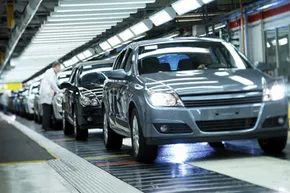
Most cars rolling off the line today wear a three-part armor: primer, base color, and a final transparent shield called a clear coat. About 95% of new vehicles have this layer. It’s essentially pigment-free base coat, but it changes everything about how your car ages. While manufacturers have dabbled with transparent topcoats for decades, the modern formula became the standard in the early 1990s.
Wondering if your ride has one? Grab a white cotton rag and some wax. Rub it on a panel. If color transfers to the cloth, you’re looking at an unprotected finish. If nothing comes off, you’ve got a clear coat.
This extra layer isn’t just for looks. It acts as a sacrificial barrier against a brutal list of environmental attackers:
- Acidic bird droppings
- Tree sap
- UV radiation
- Oxidation
- Rain
- Wind abrasion
- Hail
The Waxing Myth and Modern Maintenance
Here is where things get tricky. Many owners assume clear coat paint is invincible. It’s not. These finishes still require regular maintenance. A thin layer of wax every few months keeps the surface protected. If you demand a showroom mirror look, bump that schedule to once a month. Skipping wax leaves the clear coat vulnerable to the same elements it was designed to fight.
Clear coats excel at stopping sun fading and oxidation. They struggle with physical damage. They are more scratch-sensitive than older paint systems. Manufacturers noticed this weakness and started engineering harder solutions.
Nano-Particles and Self-Healing Tech
Automakers didn’t just accept the scratch problem. They tried to solve it.
In 2003, Mercedes-Benz introduced a nano-particle clear coat. The trick? Microscopic ceramic particles embedded in the paint. When the vehicle goes through the paint shop oven, these particles harden. Mercedes tested the finish in automated car washes. They claimed a 40% improvement in gloss retention compared to traditional clear coats. Harder surface. Better shine. Less scratching.
Toyota took a different route.
By September 2009, Toyota announced a self-repairing clear coat for Lexus models. The tech relies on a proprietary ingredient that creates a denser molecular bond. The result is a finish with improved flexibility and elasticity. This density fights UV rays and acid rain. The flexibility allows minor scratches to self-heal. No extra wax required. The paint restores its own luster.
Why Your Clear Coat Still Needs Attention
Even with advanced tech, neglect is a choice. You can have the best clear coat paint care system money can buy. If you don’t wash off the road salt, the droppings will eat through the barrier. UV rays will still degrade the polymers over time.
The Mercedes nano-coat and Toyota’s self-healing layer are significant upgrades. They offer better defense against the daily grind of driving. They don’t make the paint bulletproof. You still have to treat it like a finish, not a plastic shield.
So, when you look at that fresh paint job, remember the chemistry underneath. Ceramic particles. Molecular bonds. Polymer chains. It’s a complex system designed to last. But it breaks down without help. Keep it waxed. Keep it clean.
The tech keeps getting better. The road keeps getting dirtier.