The water pump is the unsung hero of your cooling system. It keeps the engine from turning into a molten block by circulating coolant. It pulls fluid from the radiator and pushes it into the engine block. After absorbing heat, that fluid returns to the pump to be recycled. If this pump fails, stagnation sets in. The engine overheats. You have to pull the unit.
Finding the part is the easy part. Just trace the hoses from the radiator. Follow them to their source. There it sits, bolted directly to the engine block. It spins via centrifugal force. The power comes from a belt connected to the alternator. When it dies, you need to remove your car’s water pump safely.
Here is the process.
Safety First
You cannot work on a hot engine. Period.
- Turn off the engine.
- Wait for it to cool. The coolant inside is under pressure and hot enough to boil skin off bone. Let the system reach ambient temperature.
Draining the System
Once cool, you need to get the fluid out.
- Locate the drain valve at the bottom of the radiator.
- Place a catch pan underneath.
- Open the valve. Let the water drain completely.
- Ensure the system is totally empty before moving to the next step. Residual pressure or fluid can cause issues.
Disconnecting the Drive Belt
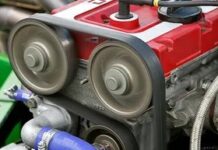
The pump runs because a belt connects it to the alternator. You need to break that connection.
- Loosen the alternator from its mounting brackets. This creates slack.
- Remove the drive belts attached to the water pump pulley.
- Set the belts aside. They are not damaged, just in the way.
Removing the Pump
Now for the mechanical work.
- Disconnect all hoses attached to the water pump. Label them if you are unsure about reassembly later.
- Remove the engine pulley fans if they obstruct access.
- Loosen the water pump mounts.
- Undo every screw and bolt holding the pump to the block.
- Pull the pump away.
The coolant is gone. The belts are off. The bolts are loose. The pump is free. Install the new unit in reverse order. Refill the system. Bleed the air. Start the engine. Watch the temperature gauge. If it holds steady, you did good.
If it climbs? You missed a bleed. Or the new pump is bad. Or the thermostat is stuck. Check everything twice. The engine doesn’t forgive mistakes.