China is moving fast. Industrial might combined with aggressive renewable energy policies is turning the Middle Kingdom into an electric vehicle powerhouse. The strategy is clear: mass adoption through entry-level pricing. You don’t need a luxury sedan to get people off fossil fuels. You need a cheap, practical runabout. Two recent reveals—one from Great Wall Motor and another from French parts giant Valeo—show exactly how this plays out.
The Ora R1: Entry-Level Electrification
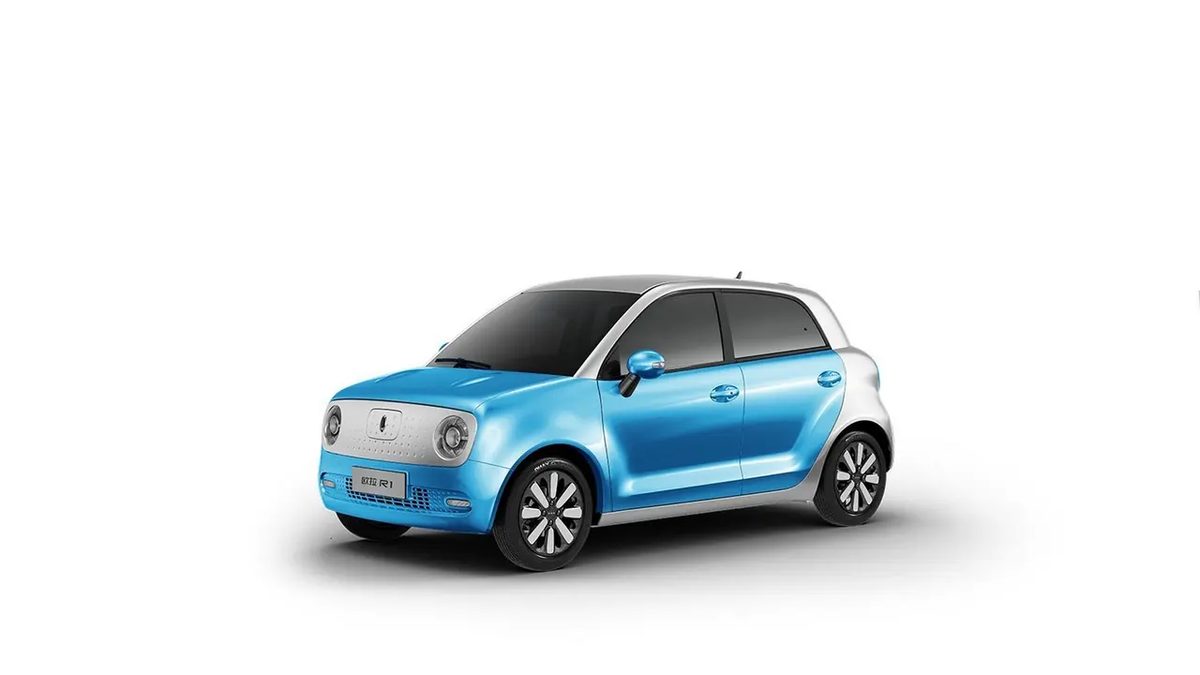
Great Wall Motor just unveiled the Ora R1. It’s a five-door city car that looks suspiciously like a Smart Forfour, but it comes with a price tag that undercuts the competition significantly. We are talking about a sub-€7,500 price point once Chinese subsidies are applied. That is dirt cheap for a fully electric vehicle.
Under the hood (or rather, under the floor), you’ll find a 47-horsepower electric motor. It tops out at 100 km/h. The battery is a 35 kWh lithium-ion pack providing a range of up to 312 kilometers. Real-world results will vary, of course. Battery degradation, driving style, and weather conditions always eat into manufacturer claims.
Great Wall Motor is banking on direct-to-consumer sales to keep costs down. No dealership markup means lower prices for the buyer.
The warranty structure is standard for the industry: three years or 120,000 km for the general vehicle. The essential components get eight years or 150,000 km. It’s unclear if the battery pack falls under “essential components.” Customers can buy the Ora R1 online. By bypassing physical dealerships, Great Wall strips out distribution costs. This model is currently exclusive to China, but success here could export the concept globally.
Valeo’s 48V Prototype: Low Voltage, Low Cost
If the Ora R1 is a manufacturer’s entry, Valeo’s 48V is a supplier’s answer. The French equipment manufacturer used the CES showcase to present a prototype of a two-seater electric city car. The goal? A vehicle priced at €7,500.
Valeo isn’t trying to become an automaker. They are developing the propulsion system and letting local Chinese brands assemble the cars. The tech relies on low-voltage electric propulsion with regenerative braking. According to Valeo, this setup is 20% cheaper than existing high-voltage solutions. The weight is minimal—just 600 kg.
The battery is a modest 14 kWh unit. Range sits at 100 km. Top speed is 100 km/h. Charging takes less than four hours. It’s not built for cross-country road trips. It’s built for urban commuting. The collaboration with Shanghai Jiao Tong University ensured the design fits local needs.
Why the Chinese Market Matters
The potential in China is massive. The government has mandated that new energy vehicles account for 12% of annual sales by 2020. Price is the lever to achieve this. Subsidies help, but the core industrial capacity of Chinese manufacturers is what will drive costs down further.
Infrastructure is catching up. There are already 80,000 charging stations in operation. Another 800,000 are planned. This isn’t a niche market. It’s a tidal wave.
The Ora R1 and the Valeo 48V represent the vanguard of this shift. Small, affordable, electric. The technology is mature enough for basic transport. The economics work at scale. We are likely just seeing the beginning of a flood of low-cost Chinese EVs. The rest of the world is watching to see if these models can survive without subsidies. Or if they can compete on price alone. The answer will determine who leads the next era of mobility.