You want to know what Ford’s new race engine sounds like? Now you do.
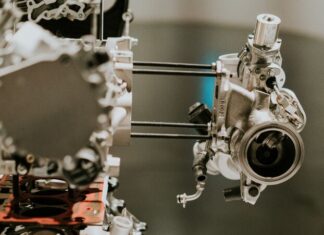
Ford just fired up the prototype heart of its upcoming World Endurance Championship (WEC) hypercar. It’s a 5.4-liter Coyote-based V8, and for the first time, it’s making noise in real life, not just in simulations or wind tunnels. The goal isn’t just to build a car. It’s to win at Le Mans. Or at least, that’s the ambition.
The timeline is firm. The 2027 WEC season is the debut. That’s less than two years away for a brand new platform. Is that aggressive? Yes. Is it risky? Maybe. But Ford isn’t waiting.
How The Coyote V8 Hybrid Powertrain Works In WEC 2027
The LMDh class is crowded. You’ve got Cadillac. Alpine. BMW. Ferrari is back. Ford isn’t slipping in the back door; it’s walking through the front, but it still needs to prove itself against giants who have been there longer or have more heritage in endurance racing.
So, why use the Coyote block?
It’s reliable. Ford knows this architecture from street cars and GT racing. By adapting a 5.4-liter V8, they aren’t reinventing the piston stroke from scratch. They are tuning, reinforcing, and optimizing. The base technology exists. Now it’s about extraction.
This engine doesn’t work alone. It’s part of a hybrid powertrain system. The LMDh rules dictate strict power output limits to keep the racing close. That means Ford has to balance the V8’s brute force with electric boost. It’s a puzzle of torque delivery. If the hybrid integration is smooth, the lap times follow. If it’s jerky, you’re lapping last.
The audio clip released with the news shows the engine breaking in. It’s loud. Raw. Not the polished, electric-whine future of motorsport, but a proper V8 rumble. Good.
Why Ford Racing Is Testing In Europe Now
You don’t wait for the track to be built. You test where you can.
Ford Racing says development is on track. Specifically, that means on-track testing in Europe. The next phase isn’t in a garage in Detroit. It’s out there, on asphalt that matters. They’ll run sim tests alongside real-world runs. Their driver roster is getting seat time. Or close to it.
After Europe, the car moves back to the States for more shakedowns. Then, the whole machine packs up. The goal is a full WEC campaign. That’s a lot of travel. A lot of stress.
Does the chassis help?
It helps a lot. Ford is using an Oreca-supplied chassis. You can buy your own body kit, your own suspension tweaks, maybe some aerodynamic changes. But the spine? That’s off-the-shelf, mostly. That saves millions. That saves years. It allows Ford to focus their engineering brain power on what makes the difference: the engine package, the hybrid energy storage, and the setup.
Will Ford Win In 2027 Or Just Compete?
A first-year car always has issues. It always has bugs. Sensors fail. Software glitches. The hybrid disconnect. Everyone expects problems.
The real question isn’t if things break. It’s how fast they fix it.
Ford Racing appears poised to fight for a top spot. Maybe even the winner’s circle at the 24 Hours. It’s a tall order. Ferrari will be trying hard. Porsche returns to battle. The field is deep.
An overall victory at Le Mans remains the gold standard. It’s not just about speed. It’s about surviving the night.
Endurance racing eats teams for breakfast. Engineers don’t sleep. Drivers get dizzy. Cars rattle apart. The 24 Hours separates the prepared from the hopeful. Ford seems prepared enough for now.
The Coyote V8 fires. The sim runs are good. The European track is next.
It’s going to be a long few months. We’ll be watching the data