Xpeng is back in Australia. Sort of.
Technically they never really left, but the landscape just changed. They kicked out independent distributor TrueEV. Now Xpeng runs the show directly in ANZ. It’s a shift toward factory control, supposedly for the long term. That should mean fewer headaches with parts. Better support. At least, that’s the pitch.
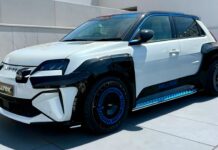
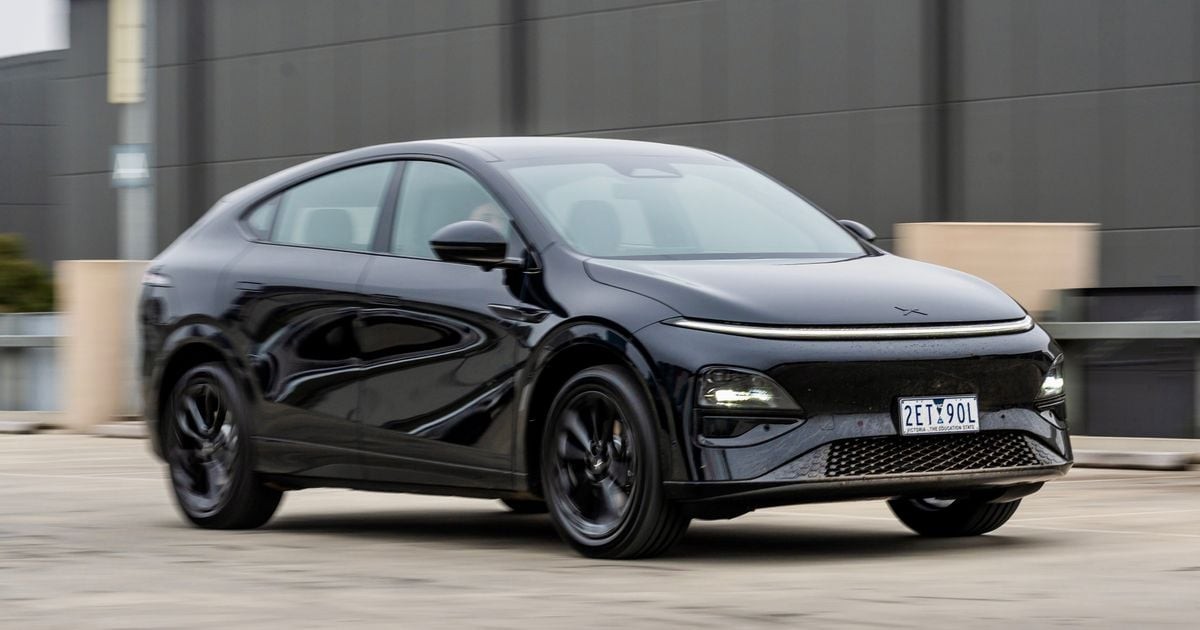
The first fruit of this labor? The updated 2026 G6. A mid-size electric SUV built to fight Tesla’s Model Y.
It looks similar. Feels similar. But under the skin? Big changes. An 800-volt architecture. A new battery. And a charging speed that feels like science fiction on Australian soil.
CarExpert got a 24-hour look at the top-spec beast. The G6 AWD Performance Black Edition. It’s expensive, it’s fast, and it’s complicated.
Is it worth choosing over the ubiquitous grey brick from Palo Alto? Let’s find out.
The Money Talk
Prices dropped for the rear-wheel-drive versions. A $3000 cut.
The new AWD Performance Black Edition starts at $66,800 before on-road costs. That’s actually cheaper than you’d think, when you line it up against rivals.
Take the Model Y Performance. That thing costs $89,400. You’d need two jobs to afford it, basically.
Then there’s the BYD Sealion 7 Performance at $63,99. The Zeekr 7X sits higher at $72.9k. Xpeng slots itself in the middle. Not too high. Not too low. A dangerous place to be in the EV war.
The Xpeng G6 Performance undercuts the Model Y Performance by more than $20k. That’s hard to argue with on paper.
Inside the Bubble
Get in, and the first thing you notice is the lack of clutter. It feels like a Tesla interior dressed in smarter clothes.
No start button. Press brake. Pull the gear stalk down to D. Go. It’s intuitive once you stop overthinking it. Much better than swiping glass like a smartphone.
The steering wheel controls are where Xpeng gets smart.
Two scroll wheels. One on the right for volume. One on the left for AC. Yes, physical buttons for temperature. Thank god. You tweak the fan speed with directional buttons. It takes muscle memory rewiring. It works. It’s good.
There’s a voice assistant too. “Hey Xpeng.”
Ask it to adjust seats. Toggle lights. Even change drive modes if you’re feeling dramatic. It can’t open every menu though. Ask it to turn on the rear defrost, and it gets confused. Limitations exist. But combined with a swipe-down shortcut menu? It’s functional. Not perfect, but usable.
The screen is bigger now. 15.6 inches. Crisp. Fast. Wireless Apple CarPlay included. This alone puts miles between it and Tesla. Though the signal did drop near Melbourne’s toll gantries. Minor glitch.
The build quality is surprising. Hard plastics nowhere near where eyes or hands touch. Synthetic leather is plush. Buttons click with satisfaction.
But storage? Thin.
No glovebox. Like the Toyota bZ4. You get a tray, some cupholders, and a wireless charger for each phone. That’s it. Hide your wallet elsewhere.
Rear seat space, however? Massive. The roof curves up like a teardrop. At 173cm, my head floated near the glass. Legroom is generous. Flat floor makes the middle seat livable. It’s a comfortable place to be, even if the view is the same grey pavement.
Trunk space is decent. 571 liters. Smaller than a Model Y’s 938 liters, but bigger than BYD’s Sealion 7. Fold the seats, and it swells to 1374 liters. Just no front trunk. And definitely no spare tire.
Under the Hood (Metaphorically)
Here’s the headline figure: 80.8kWh LFP battery.
Two motors. 358kW combined. 660Nm of扭矩 (torque).
It moves. Fast.
WLTP range claims 510km. In Melbourne traffic and windy highways, we didn’t test the absolute limit, but efficiency seemed respectable for a car with this much power.
Then there’s charging.
The G6 can gulp DC electricity at up to 451kW.
Ten to eighty percent. Twelve minutes.
In theory. In Australia? Almost impossible. We lack the chargers. The potential is there. The infrastructure is not. It’s like selling a Formula 1 car but only providing dirt tracks. Still, it’s nice to have the hardware for when the network catches up.
Driving It
Does it handle like a performance car?
Well… it accelerates like one.
Sport mode turns it into a rocket. Launch control enabled. Your stomach stays in the seat while your body flies forward. 0-100kmh in 4.1 seconds. That’s slower than a Model Y Performance’s 3.5, but feel? Different. Punchy. Brutal.
You won’t lack acceleration in any lane. Ever.
The cornering? Another story.
The G6 is heavy. Undeniably so. Toss it into a bend and it plows. Traction control chatters constantly, fighting physics. It’s stable, sure. Safe, absolutely. But not fun. The steering is numb. Heavy, not in a tactile way, but in a “why is the wheel so dense?” way. Sport mode makes it worse. Feels disconnected.
Why would you add weight to the steering to simulate substance? It just feels artificial.
The smart cruise control, though? That’s a standout. It hugs lane lines. It handles traffic merges better than I’ve seen in many EVs. It even starts and stops in heavy congestion without jerking you around. Trust it enough, and your foot stops getting tired on the commute.
There’s one flaw. A usability flaw.
The gear selector stalk doubles as the cruise control switch. Push it once for normal cruise. Twice for smart. Push all the way up to Reverse to cancel.
Driving at 110kmh. Want to cancel cruise control. Your finger is on the button labeled “Reverse”. It feels wrong. It feels dangerous. Even though nothing happens until you lift the accelerator, the psychology is off. Just add another button on the wheel. Please.
The Verdict?
The Xpeng G6 Performance Black Edition is a compelling oddball.
It charges fast (on paper). It drives comfortably. The tech is matured. The interior is thoughtful in ways Tesla refuses to be. And it’s significantly cheaper than the direct competition.
But it’s heavy. The steering lacks soul. And you still have to learn the quirks.
If you want status, buy a Porsche. If you want simplicity, buy a Tesla.
But if you want space, screens that work, and enough speed to scare yourself on an empty road for less money? The Xpeng demands attention.
It’s not perfect. It never is.
But in a market flooding with copycats, the G6 actually tries to do something different. And sometimes, that’s enough.
Or is it? 🤔