Ford launched Ford Energy today. Wholly owned. Wholly new.
The aim is big numbers. 20 gigawatt-hours of annual US capacity. That is a lot of electrons waiting to happen.
First customer gets installed in late 2027. Patience required.
They are targeting industry and commerce. Not your home garage. Not yet anyway.
“United States assembled.”
They choose that phrase carefully. Distinction matters. It implies parts come from elsewhere before arriving at Glendale, Kentucky. That plant used to build EV batteries. Now it builds BESS units instead. Repurposed. Rebooted.
The hardware is straightforward.
Ford DC Energy Block sits inside a standard 20-foot shipping container. Six meters of stored power. It runs on 512Ah LFP prismatic cells. Liquid cooled. Reliable.
Two models exist.
– FE-250 for two hours of discharge
– FE-450 for four
Expect 20 years of service life. Long enough to remember why you bought it.
Why do this?
Data centers are hungry. The grid is tired. Renewables are intermittent.
Battery storage is growing faster than almost any other power source in the US. 40 gigawatts added in five years. The US Energy Information Administration confirms the surge.
Tesla made more money in Australia last year from energy than from cars.
Yes. More than the Model 3 or Y combined.
Australia installed a record number of home batteries in 2025. Government subsidies helped. Tesla benefited most.
Ford Australia sells exactly three EVs right now. The Mustang Mach-E. Two types of Transit vans. That’s it.
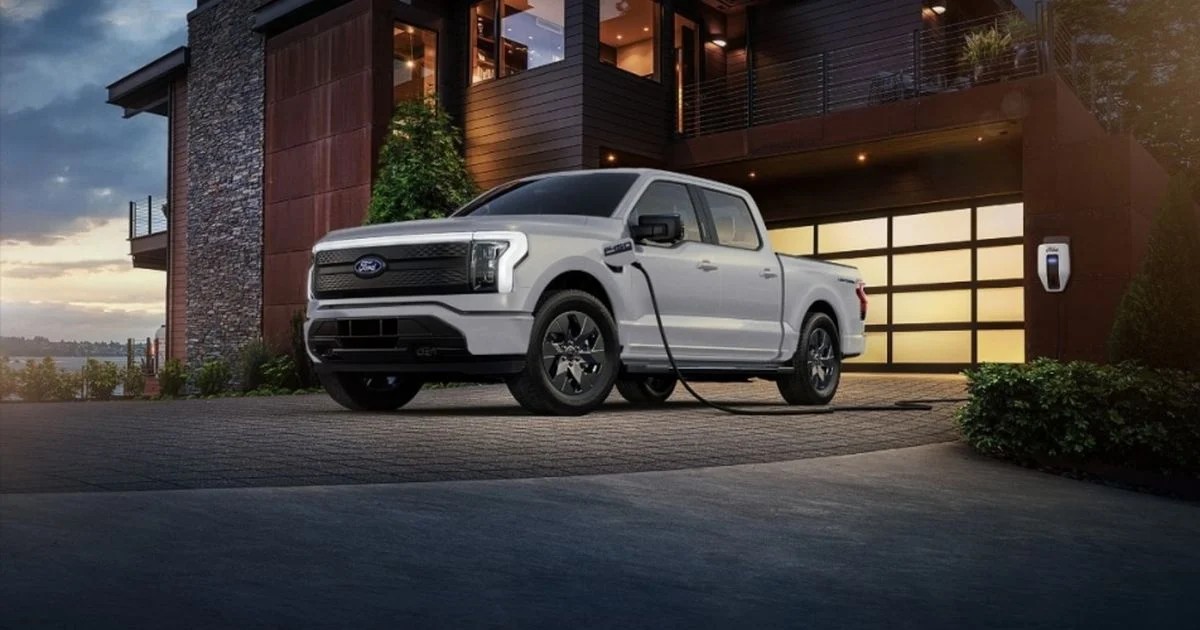
They killed the F-150 lightning there. Never actually sold it officially, really. But they are done with it globally.
Instead. They want cheap. Super cheap.
Universal EV Platform comes next.
A Ranger-sized ute arrives in 2027. Price tag hovers around $30,000 USD. Or roughly A$42,000.
400-volt architecture. LFP batteries. A new way of manufacturing that Ford hopes won’t bankrupt them. They lost billions on EVs. The math was bad. Now they are recalculating.
Did they learn anything?
Jim Farley said yes.
He ripped a Tesla apart. Once.
“I was flabbergasted.”
The Tesla wiring was light. Short. Simple. The Ford Mach-E wiring? Heavy. 70 extra pounds. Over a kilometer of cable.
Why?
Ford bought parts off a shelf. Tesla designed from scratch. No prejudice. No legacy supply chain constraints. Just engineering that followed the cheapest path possible.
Ford had prejudice. They stuck to old ways. Now they know better.
Will it be enough to catch up?
Probably not.
But they are trying.