Xiaomi just dropped its Q1 2026 financials. It’s messy. The smart electric vehicle and AI division brought in 19.9 billion yuan. That’s 2.9 billion dollars. Good volume, decent price.
But here’s the catch.
They lost 3.1 billion yuan in operating losses. Roughly 457 million dollars. They sold 80,855 cars that quarter. Do the math. Every single vehicle left the showroom carrying a 5,600 USD hole in the company’s pocket. Last year, they only lost 900 dollars per unit. Something broke.
Delivery numbers hide the pain
Look at the deliveries. 80,856 cars. That’s up 6.6% from 2025’s same period. It looks solid. Seems healthy.
Revenue from pure EV sales hit 19 billion yuan. The average selling price sat at about 235,00 yuan—around 34,600 bucks. The SU7 original series got pulled. Delivers dried up there. Instead, the YU7 series carried the load. It hit 232,00 deliveries in just ten months. The new-generation SU7 launched in March already snagged 80,00 firm orders by May 6.
The pipeline is full.
Price vs. Margin squeeze
They are expanding like crazy. 490 stores. 143 cities. China is covered in Xiaomi signage now.
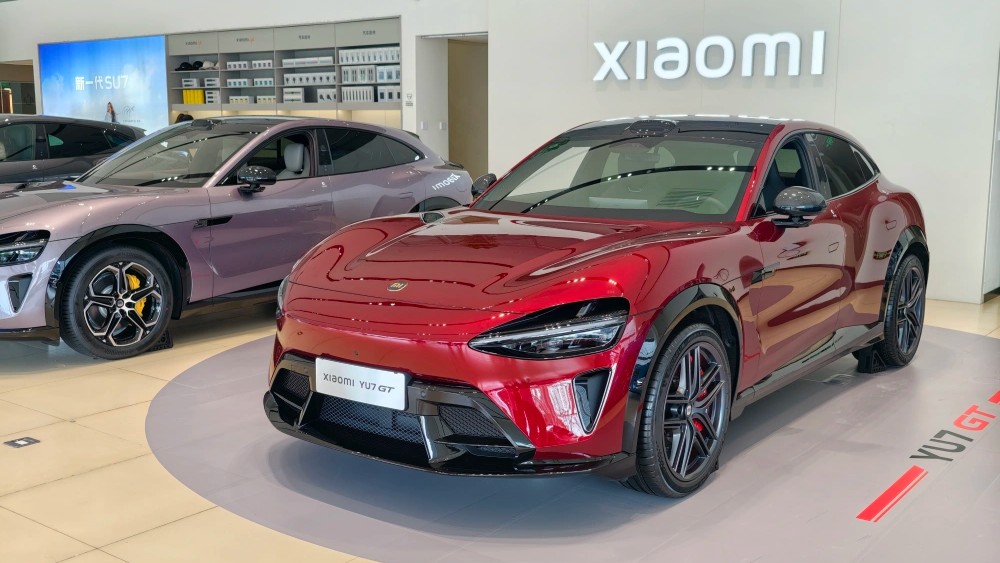
New pricing is sharp too. The YU7 GT launches May 21 starting at 389.900 yuan ($57,30). The base YU7 starts lower at 233.500 yuan ($34.30). But margins don’t care about hype.
Gross margin dropped to 20.1%. Down from 23.2 last year. Why? Three things killed it:
- Purchase tax subsidies eating into top-line revenue.
- Fewer high-margin SU7 Ultra sales delivered.
- Rising costs for core components.
You sell more cars. You lower margins. You still burn cash. Is scale enough?
Xiaomi lost $5.600 for every car delivered this quarter. That is a heavy tax on growth.
April offered a tiny reprieve. 36.702 sales. Up 28% year-over-year. Up 71% from March. Maybe volume will fix it. Maybe costs will shrink. Or maybe the losses just keep mounting.
No clean answer. Just more cars leaving the factory.