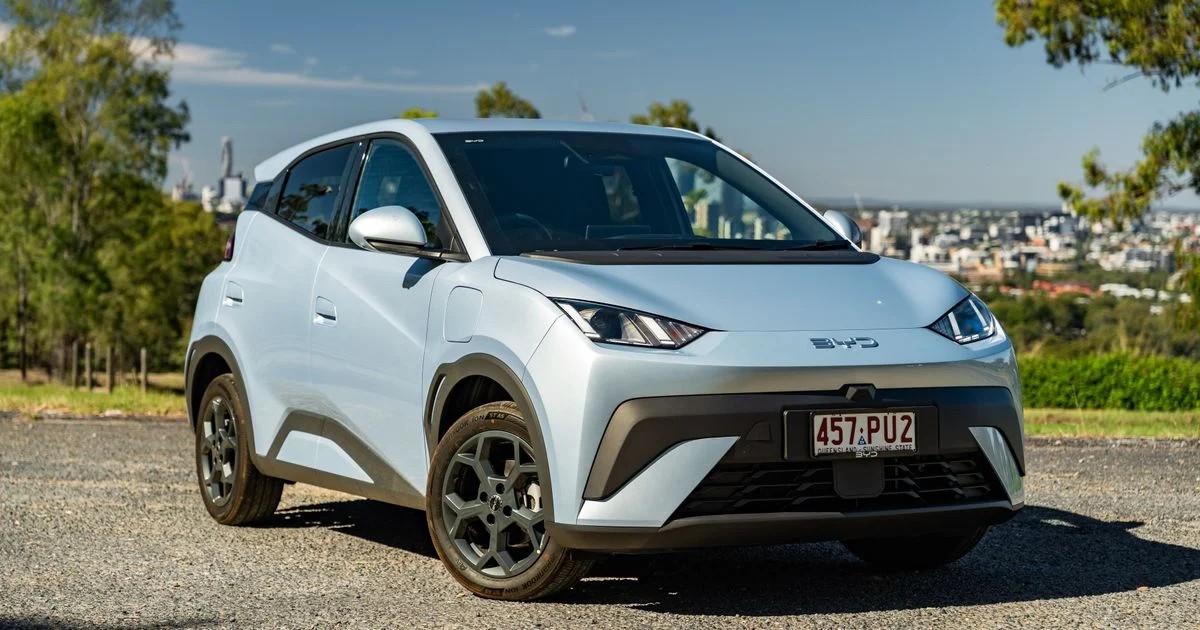
Small. Cheap. Surprisingly Good.
Australia’s cheapest electric vehicle exists. It matters. The BYD Atto 1.
We usually talk about EVs as premium sedans, massive SUVs, or range-obsessed family haulers. The Atto 1 ignores all of that. It is a tiny hatchback. It wants to fit into your suburbs. It asks for zero luxury budget.
I drove the Atto 1 Premium for a month in Brisbane. School runs. Groceries. Traffic. Roughly 1,200km later, the little car averaged 11.9 kWh/100 km. The official claim? 16.0 kWh/100km. That’s a nice margin for error.
Is it perfect? No. BYD saved money here and there. You can see it. But they didn’t pinch pennies on the drivetrain. They didn’t ruin the refinement. This car works. It’s the best way for skeptics—or families needing a second car—to touch electric without breaking the bank.
How Much?
Two flavors. Essential. Premium.
The Premium costs $4,000 more. You get a bigger battery. A stronger motor. More range. The Essential packs a 30 kWh battery with 220 km claimed range. The Premium has a 43.2 kWh unit and promises 310 km.
For most people? Premium. The Extra range and power make the Essential feel limited to short errands. Even at $27,99 drive away (before on-road costs), the Premium is cheap. It competes with petrol city cars. Not Teslas. Just sensible metal that happens to be electric.
Inside the Box
The cabin feels better than the price suggests. Until you touch it.
The seats are comfortable. The view out is great. My kids didn’t hate the back legroom. It handles school bags fine.
The boot is 308 liters. Fold the seats, it’s 1,037. Useful.
But note this: It’s a four-seater. Not five. The 2+2 rear layout means no bench for three children. Plan accordingly.
The materials are a mixed bag. The top of your door is hard plastic. Hard enough to bruise an arm after hours. Yet the door handle trim is soft. Weird priorities. The dash top is also hard, though the buttons near it feel nicer. It’s a budget compromise, sure, but the car feels polished otherwise. Why the rough patches?
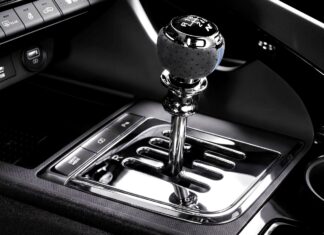
The gear selector confuses you. Push down for Drive. Up for Reverse. Park is a separate button. You feel for the start button because it’s hidden from normal sight. You learn it. It feels different just to be different.
The steering wheel buttons? Meh. Used every day, could be better for pennies more.
The 10.1-inch screen is sharp. Wireless CarPlay works. Sort of. I often had to manually force the connection back on after turning the car off. Irritating. And the sound? Terrible. Four speakers. Don’t get me started. You’ll want to upgrade it yourself if music matters to you.
Climate controls are a puzzle. There are some buttons. Good. But the screen icons are small. The layout feels half-finished. Two buttons do the same AC job? Why not power and fan?
Front USB-C. One USB-A. In 2026, USB-A feels old. Give me two Type-Cs.
The wireless charger is slow. 5 to 7 watts max on my iPhone 17. Barely keeps pace. BYD claims 50W, likely for Androids. It fails Apple’s 25W requirement. Just plug it in. Wasted feature.
“It feels more substantial than its price suggests.”
Key fob? Standard. NFC card? Taps to unlock. Works well.
Overall? You forget the annoyances quickly. It’s quiet. Solid. Comfortable. A good base for a city car.
Under the Bonnet
The Premium’s motor (115 kW, 220 Nm) is the hero.
It’s not weak. It’s zippy. Instant torque. No whining about cheap EV power here. BYD says 0–100 km/h takes 9.1 seconds. The number doesn’t matter as much as the feel. It’s smooth. Predictable. No front-wheel spin. No nervousness.
Range? Claimed 310 km WLTP. My drive hit 11.9 kWh efficiency in Brisbane heat. Real world numbers matter more than labs.
Charging is where it shines. Both models support 11 kW AC charging.
If you have a 3-phase home charger? You’re sorted. BYD claims 0–10% AC in 3.5 hours? Wait. They likely mean full charge takes a few hours, but 10–80% DC takes 30 minutes (up to 85 kW DC input on the Premium). That 11 kW AC speed beats the MG 4’s 7 kW. It saves time. Big time.
Just don’t rely on public charging if you can avoid it. Home or work plug-ins are key for this car.
Driving Dynamics
It drives well. Really well.
Comfortable. Quiet. Easy to park at 3,990 mm long. The steering is good. Brakes bite hard.
The ride is firm. Some will call it harsh. I found it tolerable. It doesn’t float over bumps like a limousine, but it’s sorted. Not “cheap and nasty” harsh. Just a small car.
Noise insulation impressed me. No engine to mask road noise in an EV. The Atto 1 keeps the cabin hushy. Tyre roar is minimal. Wind noise is gone. It feels calm. Expensive, even.
Visibility is top-tier. The reversing camera helps. It’s ideal for tight urban gaps.
One thing annoys me. The beeping. Constant alerts. Driver assistance systems that shout too often. You can turn them off. You have to do it every single drive. Why can’t cars remember? It’s not just BYD, but here, it stood out over the month.
The Specs
Essential or Premium? Premium is the buy.
The Essential has 15-inch steels, halogen lights, manual seats. It shares the screen, CarPlay, V2L, and basic tech.
The Premium adds:
- 16-inch alloys
- LED headlights
- Rain-sensing wipers
- Heated, power seats (driver 6-way, passenger 4-way)
- Wireless charger
- Surround-view camera
- Power-folding mirrors
The extra comfort matters. But the bigger battery and motor are why you pay.
Safety
Five-star ANCAP.
Adult occupant protection? 82%. Child? 86%. Vulnerable users? 76%. Safety assist? 79%.
Note: No center airbag. Based on the European BYD Dolphin testing. Australia gets the same gear. Autonomous emergency braking, lane keep, six airbags all included.
It feels solid. Not flimsy. You trust the structure.