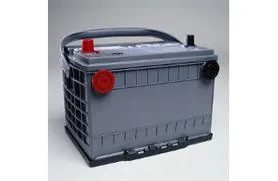
As a jumper cable owner, that’s a lonely honor. When everyone else pretends to forget to turn off the lights in the house, you reluctantly become the savior, the Batman of Dead Cells. It’s a power trip, of course, but it’s also a reminder that we treat the energy storage devices in our cars like disposable garbage. Car batteries are heavy, toxic and contain a lot of sulfuric acid. It should not be thrown away even after a few years. If we want to squeeze more miles out of our current batteries and reduce the amount of chemical waste ending up in landfills, we need to stop ignoring the core of our electrical systems.
Here are some practical ways to extend the life of lead acid batteries.
Park your car in the garage
Cold is the enemy. When the temperature drops, the battery loses its starting current. Parking your car in an insulated garage is not only about convenience, but also about safety. It’s about chemical stability. The electrolyte does not thicken and the internal resistance remains under control. But skip the heated garage. Too much of this can lead to rust on the body panels and frame. All you need is a simple, dry, cool (non-freezing) location.
Keep the battery clean
Oxidation is a silent killer that weakens connections. Check your terminal. If you see white or blue crusty buildup, that’s corrosion. The increased resistance forces the alternator to work harder to charge the battery, which reduces the current used by the engine when starting. Remove the clamp. Neutralize the acid by scrubbing with a wire brush and a baking soda-water mixture. Rinse, dry and reattach. Clean connections guarantee efficient power transfer. This is basic maintenance, but most people ignore it until their car won’t start.
Insulate Your Car Battery
Don’t have a garage? No problem. You can buy battery insulators or make your own from foam. This is an inexpensive upgrade that provides a thermal buffer against the cold of winter and the heat of summer. Over time, thermal stress can cause the battery case to crack. Simple wrapping can slow this deterioration. It’s not a silver bullet, but it adds an extra layer of protection to your car from the elements that hate your car.
Charging with solar energy
Lead-acid batteries suffer from self-discharge. Leaving your car sitting for weeks on end will drain your battery. A small solar charger can solve this problem. Attach it to the terminal and place it in the sun to maintain the charge level. This prevents sulfation, which can cause lead sulfate crystals to harden on the plates and reduce capacity. Use a monitor with a solar charger. Overcharging is just as bad as undercharging, as the water boils and the warps the plates. Make sure you topped off, not flooded.
Add distilled water
This only applies to conventional flooded lead-acid batteries. If you have an AGM battery or a sealed battery, stop reading this section. It cannot and should not be opened. In traditional batteries, water evaporates over time, especially in hot weather. When the water level drops, the plates are exposed to the air. Bare panels corrode quickly. If electrolyte levels are low, top up with distilled water only. Tap water contains minerals that contaminate electrolytes. Fill until the fluid is just below the fill line or bottom of the inspection cell. Do not overfill. When the battery heats up during charging, the liquid expands. Too much can cause it to spatter and corrode the surrounding metal.
Secure the Battery
Vibration is brutal. A loose battery rattles against the tray. This vibration breaks the internal lead plates and connections. This is a slow structural failure. Make sure the hold-down clamp is properly engaged. Make sure the tray is free of debris. A clean and stable mount prevents physical damage. Battery acid leaking into the engine tray from a tilted and loose battery is an mess you don’t want to deal with. corrodes wiring harnesses and the paint in seconds. Keep it secure. Keep it clean.
Frequently asked questions about car battery maintenance
How long can the car battery be left unused?
A healthy battery can be disconnected for about two months before the battery dies. After that you need an maintainer.
What is the typical lifespan of a car battery?
Usually 4-6 years. This number varies greatly depending on climate and driving style.
**Quantity of distilled water