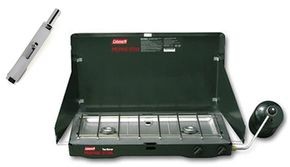
You likely interact with LP gas daily without thinking twice about it. That disposable butane lighter in your pocket? It’s holding a mix of butane and isobutane, the same family of fuels that power your backyard grill. If you’ve ever fired up a portable gas grill or hooked up a tank to a motorhome, you’ve seen propane in action. It heats water, runs the fridge, and keeps the furnace going when you’re off-grid. The camping industry standardized the nozzles, meaning those small tanks can feed camp stoves, lanterns, and heaters with a simple twist.
This versatility makes LP gas the go-to solution where piped natural gas simply doesn’t reach. Need to heat an isolated cabin? Power a boat? Supply cooking fuel in rural areas without commercial energy infrastructure? Propane handles it. In places like India, where city-wide gas lines are unreliable, propane dominates the market for everyday heating and cooking, replacing oil and coal entirely.
It’s not just for leisure or remote homes, either. Industrial facilities rely on LP gas for high-heat processes like metalworking, glass blowing, and ceramics. You’ll find LP-powered forklifts in warehouses because they deliver serious lifting power while keeping fumes and pollutants down in confined spaces. That’s a massive safety plus.
But one of the fastest-growing sectors for this fuel is the automotive world. Cars built or converted to run on LP gas are becoming increasingly common. Why the shift? We’ll break down the mechanics and the market forces driving this change next.