The $706 Average Is A Lie
They’re telling you the average driver is coughing up $706 this year in fuel cost spikes. That sounds bad. It’s also misleading. For most of us. For some owners, the pump isn’t a minor inconvenience, it is the reason their budget just broke.
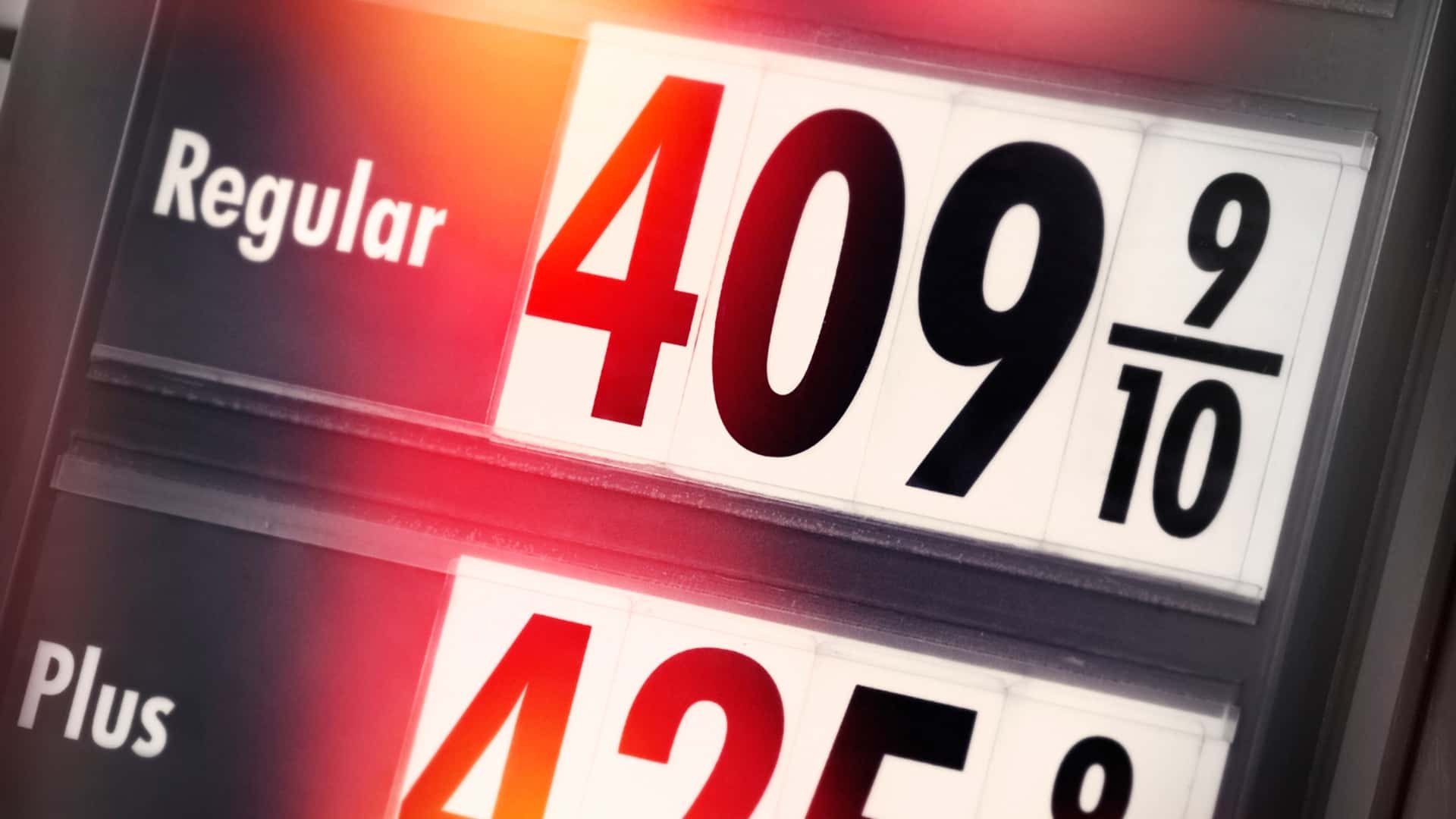
If you bought a truck in January thinking prices would stabilize, you have been humbled. Gas prices jumped 46% in just a few months. A jump that feels like theft.
An iSeeCars study dug into the damage. The results? Not great. While the national average rise was $706, the Toyota Sequoia owner saw their annual bill balloon by $1,623. Nearly double. The gap is widening and it hurts.
Trucks Take The Hit
You guessed it. The list is dominated by the big ones. The ones we love to look at but hate to feed.
- Toyota Sequoia – Annual fuel cost hits $5,145
- Chevrolet Suburban – $4,890 (roughly)
- Nissan Armada – $4,700
- GMC Yukon XL – $4.6k
- Chevrolet Tahoe – $4.1k
The Cadillac Escalade ESV, the GMC Yukon, and the Jeep Wagoneer aren’t far behind. If your vehicle requires three trips to fill the tank while the Prius ahead of you sips air, you are the target market for pain right now.
But here is the curveball. The Chrysler Pacifica.
Yes. The minivan.
It sits tenth on the list for biggest increases. How? Math. People drive minivans. A lot. Minivan owners clock nearly 19,300 miles a year. Truck owners drive almost 5,000 fewer. You pay for what you put on the meter. The Pacifica’s annual fuel tab sits around $3,900, just edging out the hybrid economy. The average internal combustion car now costs $2,240 a year to keep running. The Pacifica is paying more than double that baseline because the mileage never stops.
The Car Is Still Cheap
If you drive a regular sedan, breathe easy. For now. The passenger car segment remains the only one not held hostage by diesel-sized bills. Costs only rose $606 for this group, bringing the yearly total to a manageable $1,920.
Efficiency matters more when the volume is lower.
Then there are hybrids. The conventional hybrids are the kings of the hill right now. Even though these drivers log more miles than pure gas guzzlers, they still pay $700 less per year. Why? Because every mile counts less when you’re using half the fluid.
Why We Can’t Just Downsize
Here is the trap. You can’t just throw away your livelihood.
Contractors need trucks to carry ladders. Families with four kids need three rows of seats. Farmers and rural commuters live in places where the next station is forty miles away and the road is dirt. Practicality doesn’t care about your credit score.
So we are left balancing two realities. We need the space. We need the hauling. But every time we pull into a pump, the math screams at us.
Hybrid sales are surging because people are doing this exact calculus. Prices go up. Logic kicks in.
For everyone else stuck in the Sequoia? You are just learning to pay the toll.
Motor1 notes the trend: As prices climb, the cost savings of hybrids move from “nice to have” to “absolute necessity.”
We drive where we need to. The pump takes its share.
What’s in your tank this week?