Ford is dropping Google. Completely.
For its next generation of electric vehicles, the automaker has chosen Apple Maps as the native navigation system. This isn’t just another screen mirroring trick. It is a deep integration built directly into the car’s infotainment hardware.
How Native Apple Maps Differs From CarPlay
You might be thinking, “Can’t I just plug my phone in?”
Well, yes. But this is different. Currently, Apple Maps in cars usually requires an iPhone connected via Apple CarPlay. If you drive an Android, or forget your phone, you’re out of luck for the map features. Ford’s new system changes that.
The navigation runs on the car itself. Every driver gets access to Apple’s real-time traffic, routing, and specifically, EV charging guidance. Battery preconditioning works seamlessly with the route planner, even if you don’t own an iPhone. CarPlay remains available, of course. It’s an upgrade, not a replacement for the phone connection.
Which Ford Vehicle Gets The New Software First?
The tech debut is tied to a specific hardware shift: Ford’s Universal Electric Vehicle (UEV) platform.
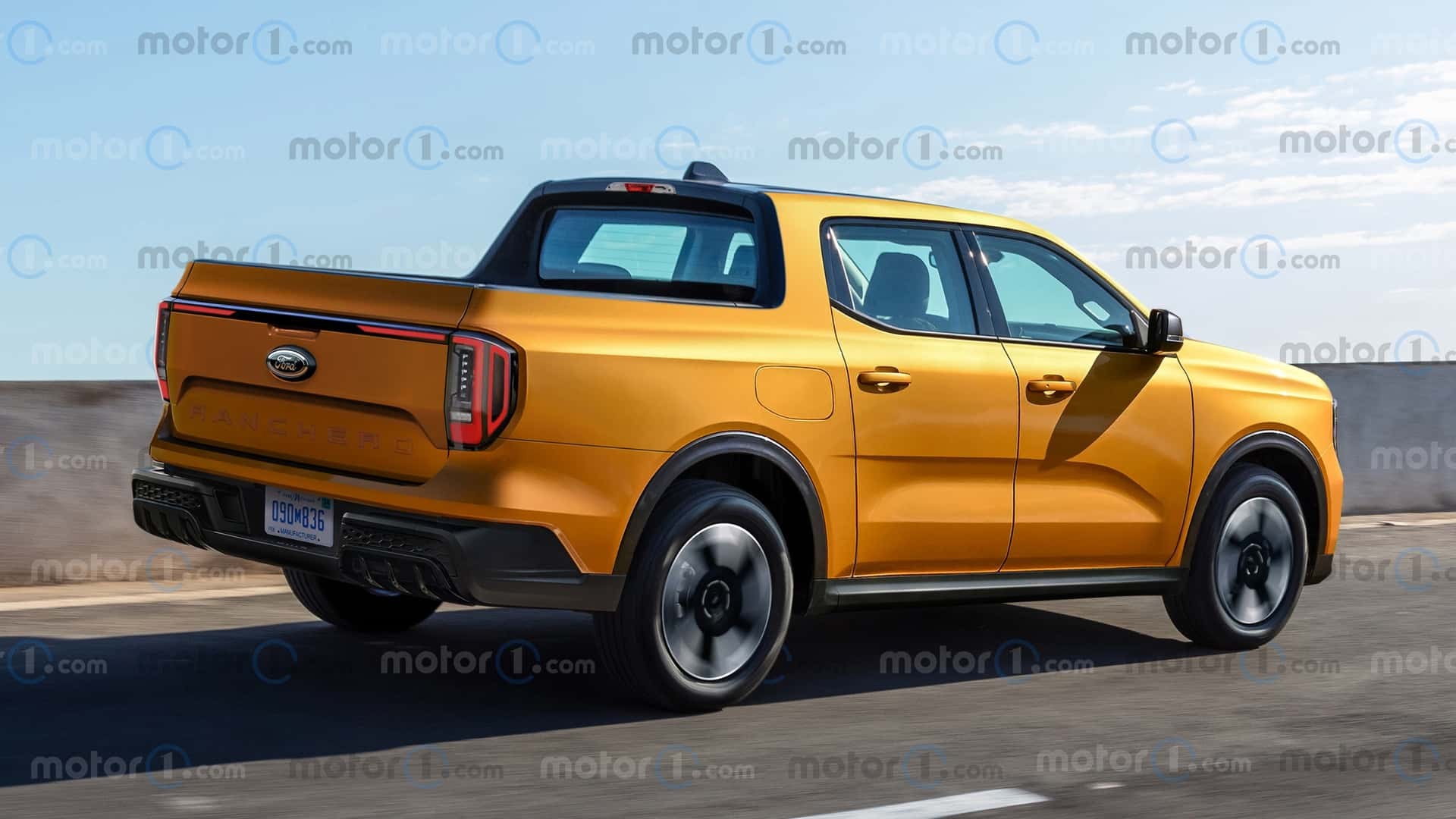
The first model to roll out with this system is a mid-size electric pickup. Ford is targeting a starting price of $30,000 for this truck. The launch date? Some time in 2027.
That’s two years away. But the implications are immediate. This UEV platform serves as the foundation for Ford’s new low-cost EV architecture. It also launches the company’s most ambitious software layer yet.
Why Does This Matter For BlueCruise?
Navigation isn’t just about finding the nearest gas station anymore. It’s about autonomy.
Ford says Apple Maps’ high-definition road-level data will feed into BlueCruise, its hands-free driving system. Better maps mean better decisions. The goal is to improve the system’s reliability from the highway on-ramp all the way to the off-ramp.
Detailed road data helps the car understand exactly where it is. That precision is non-negotiable for semi-autonomous driving.
How Does Ford Compare To GM And Tesla?
Ford is standing in a different lane now.
Look at General Motors. They’ve largely abandoned Android Auto and CarPlay in favor of their own Google-powered software stack. Tesla? Rivian? They stick to their own walled gardens with native systems that don’t rely on external mapping giants in the same way.
Ford is choosing a partner. They are betting that Apple’s data infrastructure is superior for the specific needs of EV routing and advanced driver assistance.
It’s a bold pivot. Google is out. Apple is in. And by 2027, your $30,000 pickup truck might navigate your commute better than you can.
Will Android users feel left out? Maybe. But they still get the navigation. They just don’t get the phone mirroring. A trade-off some will accept.