The sticker shock is real. You walk into a showroom, look at the price tag of an electric vehicle, and then look at your bank account. It hurts. Even with government subsidies, EVs often cost more upfront than their gas-guzzling cousins. We’ve all felt that hesitation. It’s the main thing stopping people from making the switch.
But here is the twist. A new study by UFC-Que Choisir suggests that hesitation is misplaced. When you look at the actual cost of ownership over time, electric cars are already cheaper. Not maybe. Already.
This isn’t just about saving on gas. The study looked at the whole picture. Purchase price minus resale value. Energy costs. Insurance. Maintenance. When you stack it all up, a surprising pattern emerges.
The numbers don’t lie for compact and mid-size cars
If you are buying a car of medium size, the math flips in favor of electricity. This holds true whether you are buying brand new or picking up a used model. In fact, used gas cars are the most expensive to maintain day-to-day. They age poorly compared to the simplicity of an EV drivetrain.
For a new electric model bought today, you could save up to €1,750 over four years compared to a gas equivalent. That is significant. It’s not pocket change. It’s enough to cover a major upgrade or a nice vacation.
Hybrids and diesel sit in the middle. They are competitive, but they don’t beat the full electric option. Diesel used to be the king of long-distance savings. Those days are fading fast as energy costs rise and maintenance becomes more complex.
Energy costs drive the savings
Why is this happening? The answer is simple. Energy. Electricity is cheaper. Much cheaper. On average, powering an electric car costs 73% less than fueling a gas car of the same size.
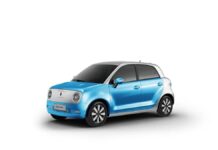
This gap widens the more you drive. If you are a high-mileage driver, the advantage becomes huge. Consider someone who drives around 20,000 km per year. Using a small electric city car instead of a gas version saves them €1,275 annually. That’s money back in your pocket every single year.
Even if you drive less, say 10,000 km, you still save about half of that amount. The entry barrier might be high, but the operating cost is low. This isn’t speculation either. The research was conducted by an independent firm called Element Energy. It was funded by the European Climate Foundation. The data is solid.
What this means for your next purchase
The old argument that “electric cars save money in the long run” is no longer future-tense. It is present-tense. For medium-sized vehicles, the total cost of ownership is lower from day one, amortized over time.
Does this mean you should ignore the purchase price entirely? No. You still have to pay the upfront cost. But if you plan to keep the car for more than a few years, or if you drive a lot, the calculus changes. The higher purchase price is offset by lower running costs.
For city dwellers, this is a no-brainer. Short trips, frequent stops, no gear changes. The efficiency is unmatched. For long-distance