Toyota messed with the controls on their best-seller.
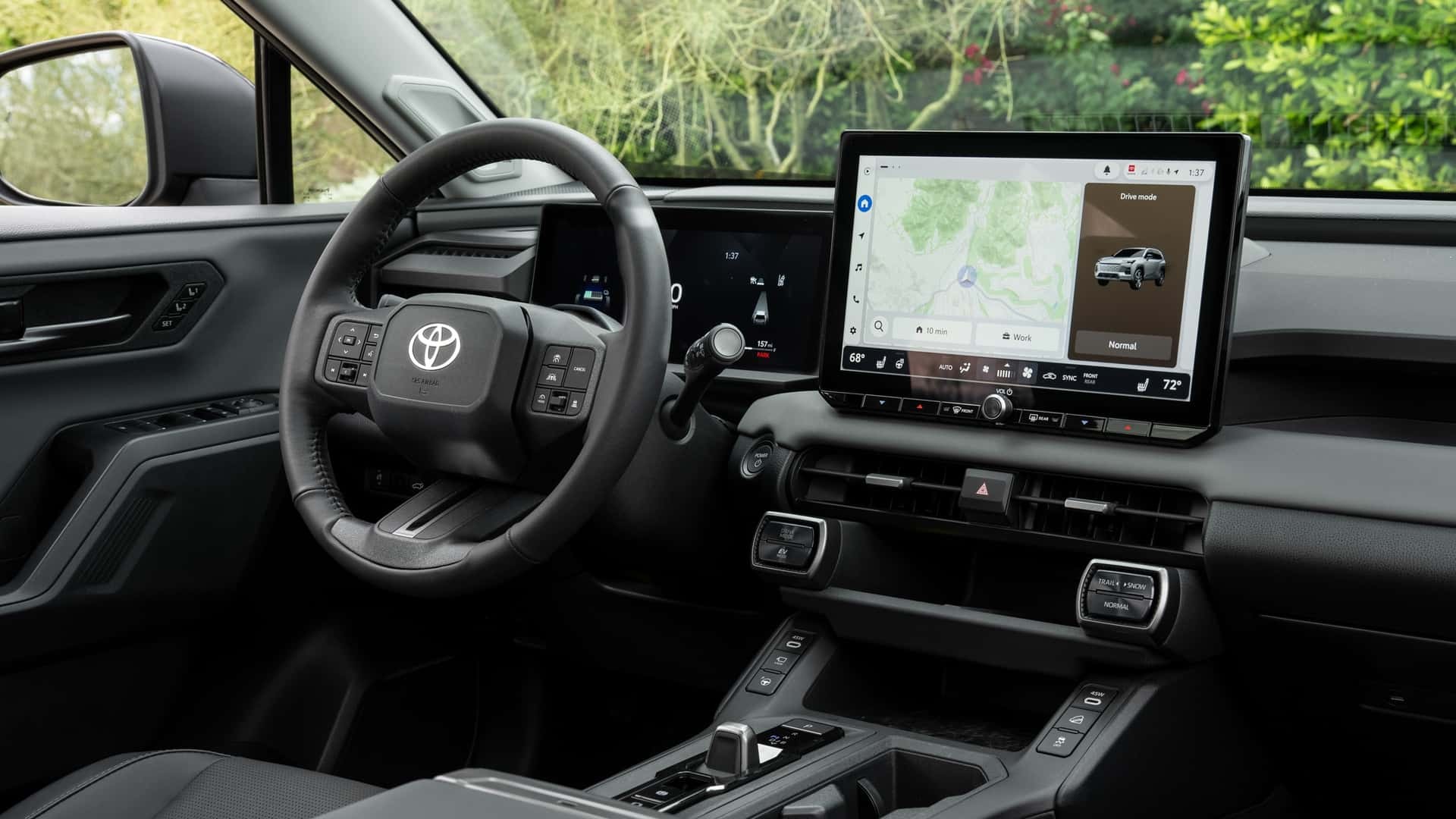
You know the drill. The sixth-generation Toyota RAV4 hit the market. It came with a cleaner, sleeker cabin. No more clutter. Just screens. A lot of screens.
Toyota wanted to remove almost every button they could. Fan speed? Touch screen. Air conditioning adjustments? Digital interface. They only left a few physical dials for volume and temperature, calling it modern design.
Customers did not love it.
Not really.
Why Toyota Is Considering a Button Comeback
It turns out, humans prefer touching things over swiping at glass. Yoshinori Futonagake, the chief engineer for the RAV4, told Drive Australia that Toyota is actually watching the reaction closely. He called the button situation “an open item.”
That industry speak translates to: they might put them back.
“If necessary, yes, we will.”
It wasn’t even their original plan to have any. The design team originally tried to put every control behind the infotainment screen. Removing physical switches caused “a lot of drama” inside Toyota during development. They fought over which buttons stayed and which went digital. Now, the customer feedback might override the design purists.
Where Consumers Demand Touch Over Screens
This isn’t just an American complaint. It’s a global revolt against touch-only interiors.
Toyota found that drivers in China absolutely refused to interact with the screen for basic car functions. Futonagake admitted Chinese customers “wanted knobs and switches.” Toyota listened there first. They are adding physical switches back into other vehicles sold in China to keep those buyers happy.
The demand is everywhere.
- Volkswagen got slammed for using capacitive touch panels that didn’t always respond.
- Kia and Audi are committing to keeping buttons in new models.
- Mazda is the lone rebel. Their new CX-5 stripped out almost every button. You have to use your voice or steering wheel controls for nearly everything. Most drivers think that is a step backward.
Which Cars Still Give You Buttons?
If you are hunting for a modern SUV but refuse to navigate a menu to defog your rear window, you have choices. The industry is splitting. On one side, you have brands chasing the minimalist aesthetic, even if it hurts usability. On the other, traditionalists like Mazda (in their older models) or Hyundai/Kia (in certain trims) keep tactile feedback alive.
The RAV4 sits in the middle. It lost the fan buttons. It kept the climate dials. But Toyota knows they sold a car, not just a tablet on wheels.
So, will they listen?
If enough people complain, the engineers seem ready to hit undo. They built a digital-only cabin. They faced pushback. Now they are calculating whether the hassle of changing the dashboard again is worth losing customers to a competitor that lets you touch the fan knob.
They are listening. Whether they care enough to change the mold is still up in the air.