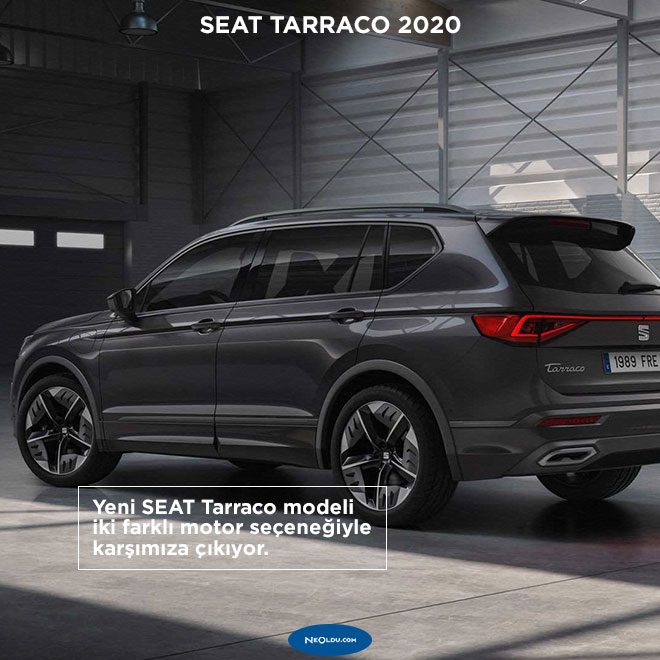
Spanish automaker SEAT has finally brought its sharp new flagship to the international market. SEAT Tarraco is more than just a mid-size SUV. It has a refreshing and bold design language that transcends the current general style trends in this segment.
When you look at the 2020 SEAT Tarraco, you’ll notice that it’s a vehicle that doesn’t compromise on looks. The outside has aggressive lines and a commanding stance that stands out even in crowded parking lots. But design is only half the story. Under the metal, SEAT has offered two different engine options for this model. This duality suggests a clear strategy. In other words, it’s suitable for commuters who value efficiency and offers enough torque for those who really enjoy driving.
The launch of this model is an important step for the brand. This puts SEAT in direct competition with incumbents in the three-row SUV segment. The question is whether the hardware will support eye-catching aesthetics. Now that the price and detailed specifications have been announced, enthusiasts are curious to know how the Seat Tarraco 2020 performs in real-world conditions.
Does a sharp exterior translate to a sharp driving experience? The engine suggests the answer is yes. We take a closer look at the specific powertrains, pricing structures in key markets and technical features that define the latest offering from the Spanish manufacturer.
The Seat Tarraco has established itself as a fan favorite, and for good reason. It’s not just in the driveway. Offers a unique perspective on family SUVs. The decoration gives people a sense of luxury. The cabin space is certainly spacious. What about performance data? They see this as more than just a grocery store.
发动机和动力总成详细信息
在引擎盖下,西雅特坚持采用可靠的四缸配置。 这不是 V6 发动机,但也没有必要。 这里的工程重点关注扭矩和效率,而不是令人尖叫的转速。
规格讲述了一个具体的故事:
- 气缸数量: 4
- 最大功率: 170 kW(约 231 hp)
- 最大扭矩: 400 Nm
400 Nm 的扭矩是这里的关键数字。 这种低沉的轰鸣声使高速公路并道变得毫不费力,并且在双车道道路上超车具有决定性作用。 您不必寻找转速就能感受到激增的感觉。
Performance data
What does 400 Nm mean on pavement? Tarraco reduces the 0-100 km/h sprint time.
- Maximum speed: 210 km/h
- Acceleration (0-100 km/h): 5.3 seconds
5.3 seconds is fast for a seven-seat car of this quality. This shows that the platform is designed not only for comfort but also for dynamics. Top speed is electronically limited to 210 kilometers per hour, probably due to tire quality and efficiency, but there is plenty of room for road driving.
燃費の内訳
最新のディーゼルおよびターボチャージャー付きガソリン エンジンのハイライトは効率です。 タラコの消費量の数字は、都市公共事業と高速道路の容量とのバランスを反映しています。
- 市街地走行: 8.5 L/100 km
- 高速道路走行: 4.7 L/100 km
- 合計平均: 4.9 リットル/100 km
市街地から高速道路への下りは急です。 信号での発進・停止をしなければ、燃料消費量はほぼ半分になります。 このサイズの車両では、100 キロメートルあたり 5 リットル未満の合計燃料消費量は良好なパフォーマンスです。 家族の長距離ドライブでもランニングコストを管理しやすくします。
Size and practicality
Size does matter if you’re taking the three-row seat for a weekend trip. Tarraco doesn’t skimp on the external footprint.
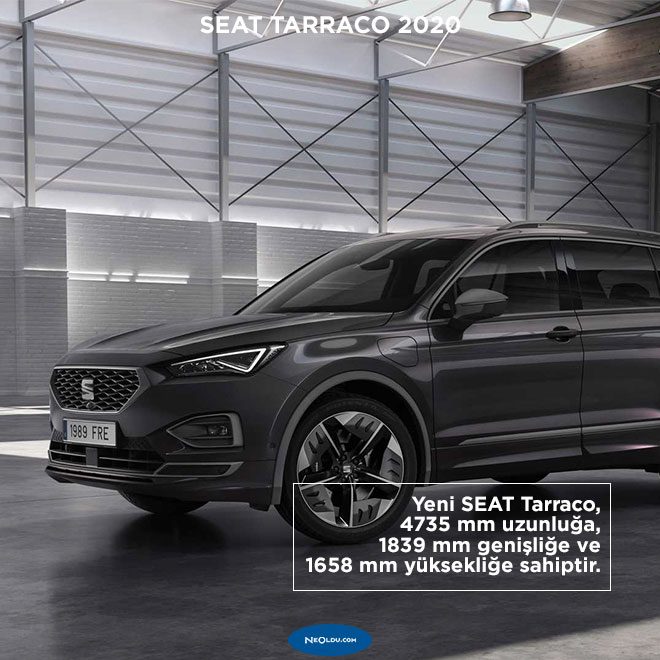
Length: 4735 mm
Width: 1839 mm
Height: 1658 mm
* Volume of trunk: 750 liters
These dimensions place it firmly in the category of large SUVs. With a width of more than 1.8 meters, you can place it safely on the road without feeling the slope. The volume of the trunk is very large, 750 liters, especially up to the third row. Large enough to store luggage, sports equipment and other household items.
概述和配置
西雅特正在推出
Clearer contours, larger footprint
The design language has changed. It’s not just about functionality anymore. It’s a matter of attitude. SEAT has clearly decided to join the sporty segment, and the new Tarraco shows it. The line has tightened. The stance is lower. It looks less like a family driver and more like something you’d see on the track if tracks allowed seven-seat SUVs.
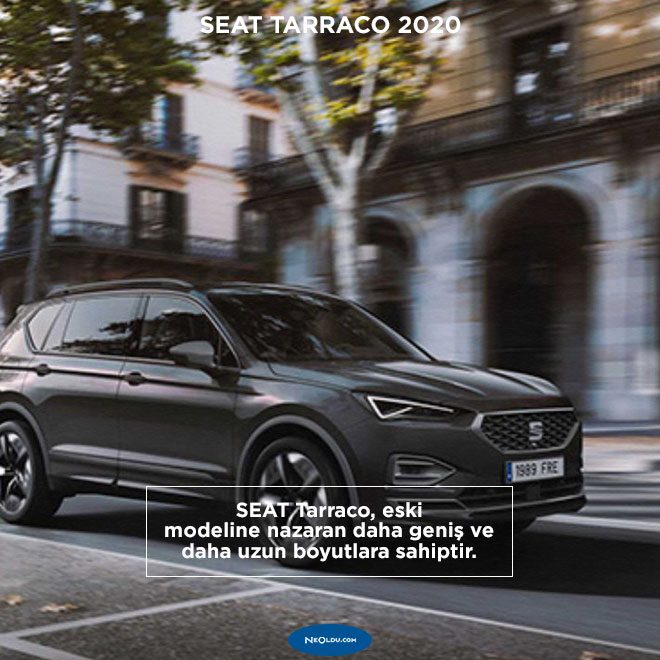
But these changes are more than just cosmetic. See dimensions. The new model is physically larger. longer. Wider. Old? It feels quite compact compared to it. Now there is real space in every direction. This is not a subtle stretch. This is an intentional extension.
“The new Tarraco is wider and longer than its predecessor.”
It just doesn’t look bigger. It’s about a bigger feeling. You can breathe easier inside the car. Appearance requires more presence on the road. SEAT didn’t just update the body panels. They rebuilt the platform’s proportions. result? This car looks more like a vehicle next to a Volkswagen Atlas or a Skoda Kodiaq than hidden behind them.
Technology has gotten a bump too. More screens. Smarter systems. Less plastic, more glass. It’s not a revolution, but it’s definitely an evolution. Older models feel outdated. This one feels current.
Technology and handling specifics
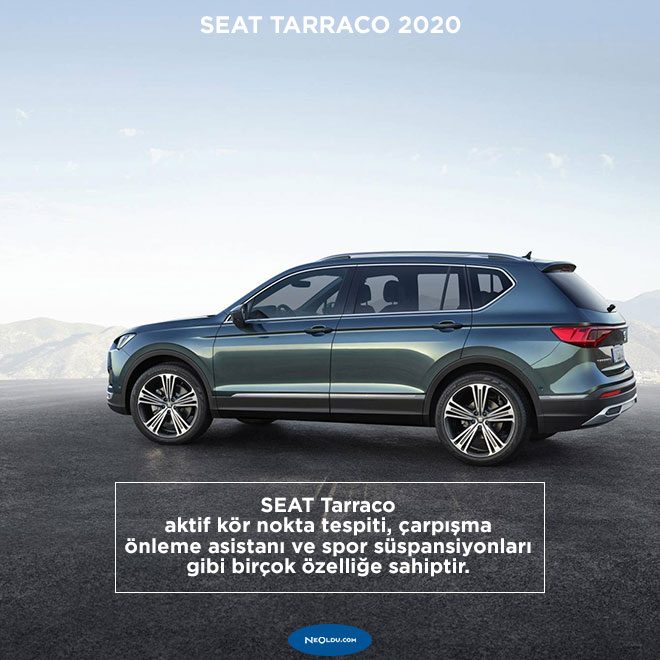
The feature list goes beyond the obvious. Active blind spot detection monitors the sides. The 9-inch SYNC3 multimedia screen is located on the dashboard. This is not the latest interface on the market. But it works. Reliable.
Equipped with safety equipment. Collision avoidance assistants helps you brake before you can react. There is a wireless charging pad. No more tangled cables inside the console.
The suspension tuning is different. Sport suspension is standard. The car is relatively low. It also leans less in corners. It feels even tighter on twisty roads. These are more than just badges. They change the way the car moves.
Sport packages often include suspension adjustments that make the ride feel sharper for daily drivers without sacrificing comfort.
Other products complete the package. The technology is quite good and the handling is above average. It’s a balanced combination. It’s not flashy. Just competent.
Interior space and practicality
The cabin feels significantly different from its predecessor. Headroom and shoulder room have been increased, creating a spacious and airy environment where passengers are not cramped. It’s a roomy box purposely designed with comfort in mind.
The seats are the first thing that catches your attention. They are covered with leather and are suitable for long hauls. Not soft in a memory-foam way, but supportive. The material lasts and the padding does not wear out even after a few months of daily commuting.
When it comes to cargo, numbers matter. The volume of the trunk is 750 liters when the third row of seats is stored. It’s enough for suitcases, groceries or a decent amount of gear without having to fold down the seats. It’s practical, not maximalist. But it serves its purpose.
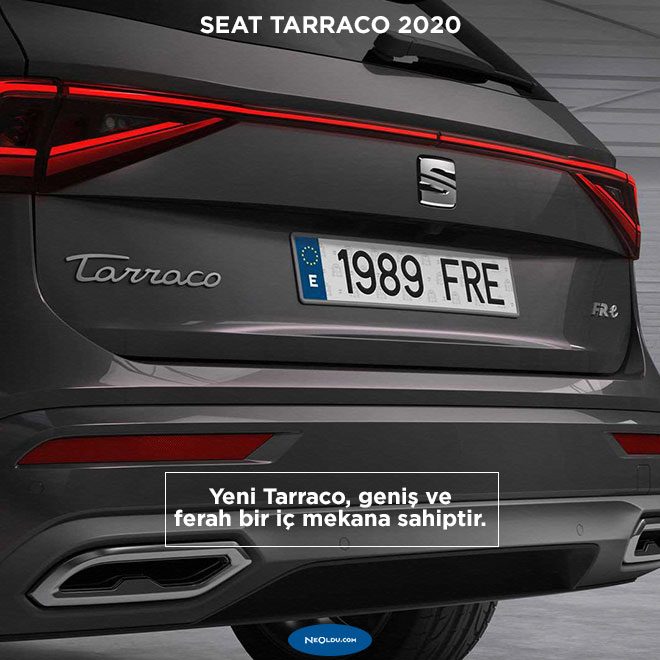
Seat Tarraco doesn’t reinvent the wheel when it comes to style. It remains in the familiar design language of a medium-sized SUV. The body you see here borrows heavily from its predecessor’s DNA, wrapped in a boxy, practical silhouette.
Chromium plays an important role here. It follows the door handles and surrounds the front grille, making it significantly wider than the previous model. The effect is positive, but also practical.
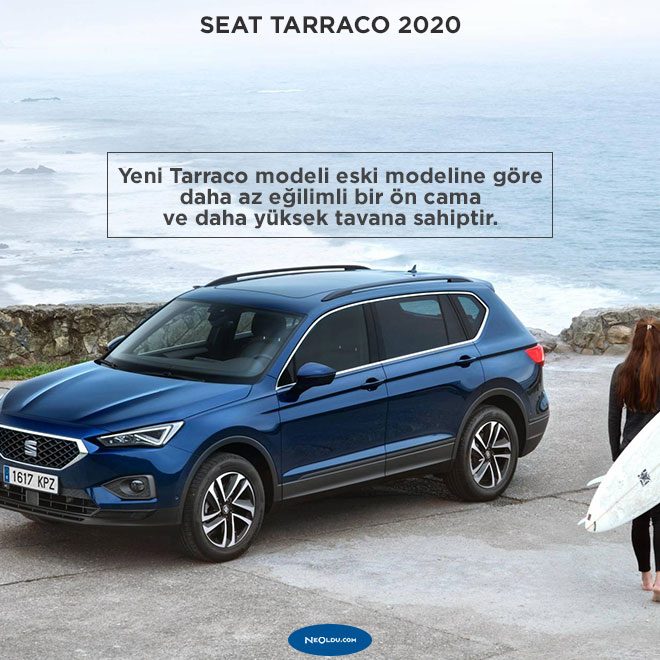
Moving forward, the differences with the previous generation become even more obvious. The windshield is up. Less rake. A little less drama. It trades a sleek coupe-like silhouette for headroom and visibility. The roof line is also higher. This is not a car designed with wind protection and aerodynamics in mind. It is designed to allow you to transport goods and people without feeling cramped.
The position is decided. wide track. Short overhangs. While most buyers stick to paved roads, it seems capable of handling a gravel road. The chrome accents are eye-catching and add a luxurious shine to a very simple design.
Accurate lighting technology
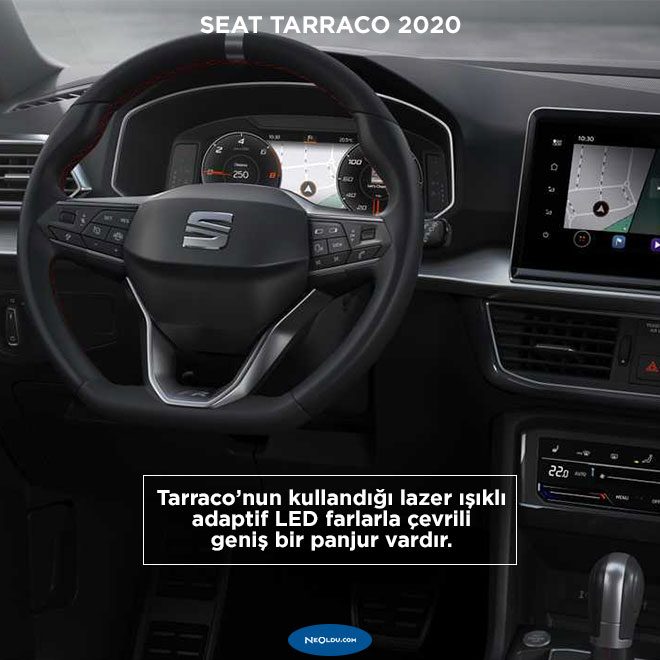
The Tarraco’s front end is dominated by a wide, striking grille, but the real star is the array of adaptive LED headlights with lasers on either side. It’s not just about looking aggressive It’s all about functionality. The system actively scans the road ahead. When it detects an oncoming vehicle, it immediately calculates the threat.
Then, it adjusts the beam pattern. High beams stay up, but the glare around other drivers was surgically removed. Provides maximum visibility. They get their eyes back. It’s a smart, automatic dance between light and obstacles.
“Headlights detect oncoming vehicles and adjust their brightness accordingly, ensuring optimal visibility without dazzling others.”
How it works
This technology is based on sensors that map the environment in real time. Unlike regular LEDs that simply turn on or off, these units can block light from specific pixels. If a car pulls out from the left, the system creates a dark spot in that direction, leaving the rest of the road lit. It’s precise. It’s quiet. And it works.
This adaptive feature eliminates the need to constantly switch between high and low beams manually. The car is responsible for night driving diplomacy. You just have to focus on the road.
Why is it important?
Night driving separates the professionals from the amateurs. Standard lights emit a broad, unfocused light. Adaptive LEDs cut a clearer and longer path. With Tarraco’s laser-assisted setup, you can see even further. The reaction is faster. Thanks to automatic adjustment, you’re never the guy blinding the person in the opposite lane.
This is a feature of modern technology. It’s not flashy for show, but it’s practical. sharp. Effective.
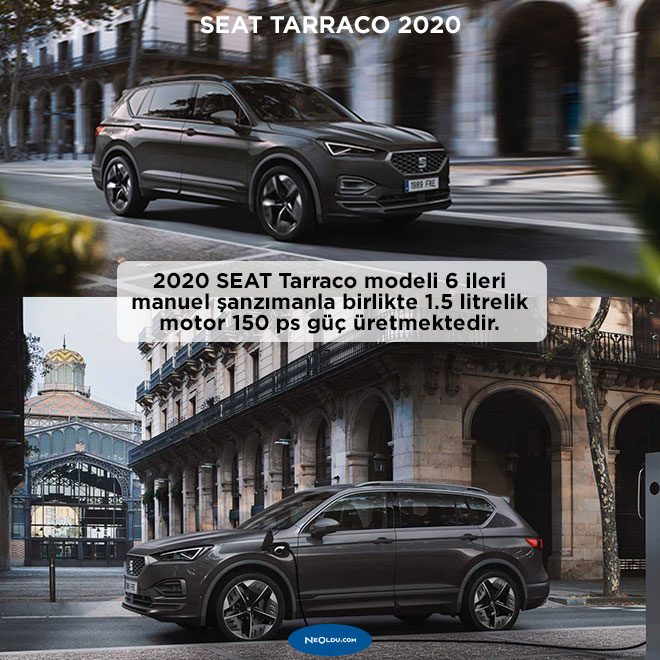
The 2020 SEAT Tarraco doesn’t clutter the lineup with endless options. It sticks to a sensible trio of engines. The bases are covered by two gasoline engines and one diesel unit. If you’re looking for a specific drivetrain for this SUV, this spec covers the entry-level setup.
Basic gasoline options
The entry point into the Tarraco range is simple. Powered by a 1.5 liter gasoline engine. Available with 6-speed manual transmission only. This combination prioritizes reliability and simplicity over high-tech complexity.
The power is 150 horsepower. It’s not a sprinter. But as a family driver, it offers more than enough power for the daily commute and connecting highways. The manual transmission keeps you focused. Some hobbyists appreciate this because they need to control RPM.
Why this configuration is important
For many buyers, the 1.5-liter TSI is the best choice. It balances fuel efficiency with enough power for large vehicles. The Tarraco is not a light car. Lugging 1.7 tons around requires decent torque. While 150 horsepower doesn’t seem like much on paper, the engine’s features are tuned for low-end grip.
You may be wondering: Are manual transmissions still available in modern SUVs? Yes. Especially when the alternative is an expensive automatic system or a complex dual-clutch system requiring maintenance. The 6-speed manual is robust. Easy to fix. It provides a direct connection to the road that many drivers in the digital age often miss.
Diesel Considerations
虽然 1.5 升汽油发动机是这里的焦点,但该产品线还包括柴油发动机选项。 这迎合了高里程驾驶员的需求。 柴油发动机在长途旅行中提供更好的扭矩和燃油效率。 然而,在城市环境中,petrol units通常更清洁且运行成本更低。
150 马力汽油和柴油之间的选择取决于您的年行驶里程。 如果您每年行驶里程低于 10,000 英里,汽油就很有意义。 如果您是长途通勤者,柴油机的扭矩曲线可能更有吸引力。
Transmission durability
The Tarraco 6-speed manual transmission is built to last. It’s not the smoothest gearbox in the world. Shifts can feel notchy at first. But the mechanical feedback is also part of the attraction. This reduces the possibility of expensive electronic failures common to new automatic transmissions.
How the 2020 SEAT Tarraco Handles Heavy Loads For those wondering, the manual transmission allows precise gear selection. You can drop gears and maintain speed on slopes without letting the transmission hunt. This control is useful when towing small trailers or full of passengers.
Real-World Performance
实际上,150 马力的发动机感觉很平衡。 It does not strain。 The power delivery is linear。 There are no sudden surges of turbo lag。 This makes it predictable。 可预测性是家庭用车的关键。 您想在踩下踏板之前知道汽车将如何反应。
手动变速杆行程较短。 It is easy to engage。 一旦你习惯了咬合点,它就会成为你的第二天性。 This is a skill that fades in automatics
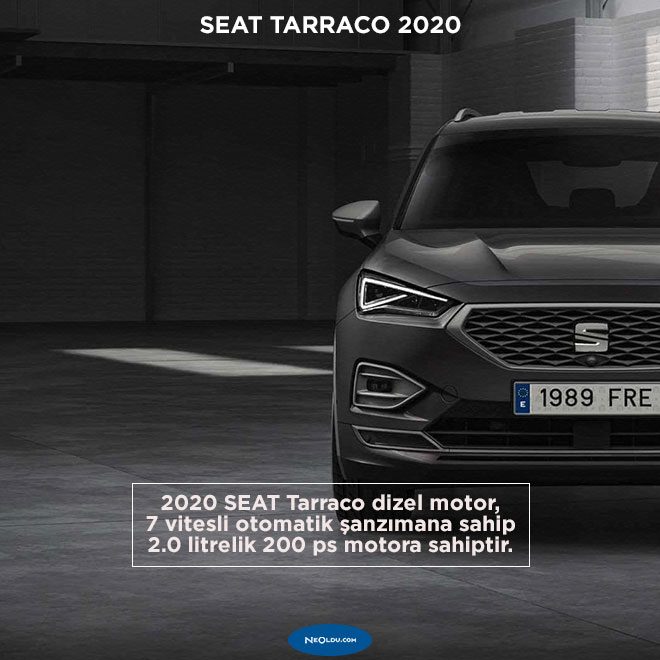
The 2020 Seat Tarraco Diesel sits firmly in the midsize SUV segment, offering a powertrain that prioritizes efficiency and torque over raw horsepower. At the heart of this lineup is a 2.0L diesel engine tuned to produce 200 PS. This is not a base-model detuned unit. Its powerful power matches the Tarraco’s larger and heavier dimensions, so this 7-seater family transporter doesn’t feel sluggish when loaded with passengers or luggage.
Transmission and Drivetrain Mechanics
Power is transmitted through a 7-speed automatic transmission, specifically the DSG (Direct Shift Gearbox), known for its quick shift times. In diesel applications, this transmission helps keep the engine in its optimal torque range and smooths out an otherwise jerky low-speed experience. Designed for both city driving and long-distance cruising, this combination takes advantage of the diesel’s high torque and provides responsive acceleration without constant gear hunting.
Front-wheel drive is standard in many markets, but the 2020 Tarraco Diesel offers available all-wheel drive for those who need extra traction. This Haldex-based 4Drive system automatically engages when it detects slippage, making it better suited to light off-road conditions and bad weather than serious rock crawling. For most buyers, rear-wheel-biased setup on FWD models will be sufficient, but there are options for those who want all-weather performance.
Why this specification matters to buyers
Enthusiasts and practical buyers alike often find the 2020 Tarraco Diesel to be a good value proposition compared to rivals such as the Volkswagen Teramont and Skoda Kodiaq. The 200 PS diesel engine offers a compelling combination of refinement and range, Addressing the common complaint that small displacement turbodiesels lack presence. The power delivery of the seven-speed automatic transmission is linear, thus avoiding sudden peaks that could disturb the passengers in the third row.
In regions with harsh winters and uneven road conditions, 4WD is a key differentiator for this diesel model. It increases the layer of versatility without compromising the well-known fuel economy benefits of diesel engines. When evaluating which powertrain suits your needs, the diesel 200 PS option stands out for its balance of performance and efficiency, especially when combined with the efficient DSG gearbox.
2020 SEAT Tarraco price information
The 2020 SEAT Tarraco has arrived in Germany, price from 29,980 euros to 43,800 euros. It’s not cheap, but for a mid-size SUV with plenty of room, we think it’s a reasonable price to start with.
Here is exactly what you paid for in the 2020 lineup:
- Seat Tarraco 1.5 TSI : Starting price €29,980. This is the entry-level petrol option. Small turbo engines are also economical, if not the most exciting to drive.
- Seat Tarraco 2.0 TSI : Price €33,750. Bigger engine, more power. This is a logical step if you need confidence for overtaking or just want to the car to feel alive.
- SEAT Tarraco 2.0 TDI : Maximum price €43,800. The diesel. High torque, high efficiency, efficient for long hauls, but expensive. Why pay that much for a SEAT? Maybe you really like diesel.
The difference between basic petrol and top diesel is huge. More than 13,000 euros. What do you get from this? Unless you drive a lot of miles in a straight line, it may not be enough to justify the premium.