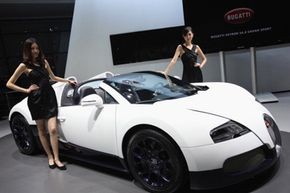
The Bugatti Veyron Super Sport is a machine that defies logic. In 2010, this 16-cylinder monster hit 268 mph (431.3 km/h) on the track. It broke the speed record for a commercially available car. It produced 1200 horsepower. But the average shopper walking into a dealership will never see those numbers. The car they pulled out of the parking lot was electronically limited to 257 mph (413.6 km/h). Why? To protect the tires.
It may not go that fast. Maybe it reached 90 miles per hour? 130? Up to 150? For most drivers, these speeds seem like the upper limit of human ability. However, the real ceiling isn’t in your head. It’s inside the computer.
Almost every car on the road has a speed limiter. This device, also called a governor, quietly carries out the will of its maker. It works through the same digital nervous system that controls fuel injection and emissions. Sensors monitor your speed. This information is provided to the engine control unit (ECU). The ECU is the brain. It controls almost everything the engine does.
When you reach a preset limit, the brain takes over. It does more than just reduce gas pressure. Actively restricts air and fuel flow. In some cases, it can also block the spark that causes combustion. You can press the pedal all the way to the floor. The engine may whine. However, the car does not accelerate at all. The upper limit is determined by the manufacturer. The computer enforces it.
Not all vehicles are treated equally. Many countries require speed limiters for mopeds and trucks. In 2011, NHTSA began considering requiring restraints on large trucks. Passenger cars are different. The rules vary greatly depending on the car’s intended use and origin.
Economy cars often face the strictest restrictions. Top speeds are typically around 110 miles per hour (177 km/h). High-performance cars, especially European ones, are much more expensive. The choice of engine is also important. Take a look at the 2011 Ford Mustang. This is a perfect example of how specifications define the limits. V-6 models are limited to 113 mph (181.9 km/h). V-8? Speeds rise to almost 150 mph (241.4 km/h). It’s the same car. Different limits.
This is a security feature disguised as a restriction. Or maybe it’s just a liability shield. Either way, the next time you hit a limiter, remember that it’s not an engine failure. It’s the computer deciding you’ve gone far enough.
The speed limiter works through electronic sensors and the engine computer to limit air, fuel and sparks to ensure that the maximum speed specified by the manufacturer is not exceeded.
Although this technology is old, its applications are constantly evolving. The faster the car, the higher the limit. As the roads become safer, the debate about mandatory restraints intensifies. Who decides how fast you can drive? Engineers? The regulator? Or is it you?
The answer is usually an engineer. And they’ve already made up their mind.