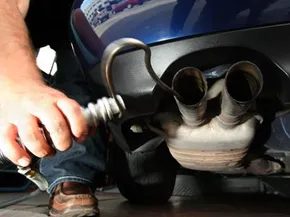
Most drivers treat refueling as a mindless transaction. You park. You pump. You watch the price climb while mentally rehearsing your weekend itinerary or scanning a grocery list. The mechanics of fuel entering the tank feel like a distant concern. But that fuel doesn’t just disappear. It burns. The invisible exhaust leaving your tailpipe is where the real story lives.
When you press the accelerator, you are actively releasing pollutants into the air. Carbon particles accumulate in the atmosphere. Concentrated enough, they shift the planet’s climate. The primary output of internal combustion is carbon dioxide, or CO2. These fall under the umbrella of greenhouse gases. Scientists are clear on one point: we need to cut back.
The Push for Greener Driving
Anxiety over oil dependence and global warming has triggered a shift in policy. In May 2009, the Obama administration introduced stricter fuel efficiency standards. The goal was to raise the national average to 35.5 miles per gallon, which translates to roughly 15 kilometers per liter.
This regulatory pressure has created a ripple effect. Drivers are now more aware of consumption metrics. They are actively seeking vehicles that offer better fuel economy. The market is responding.
The EPA Green Vehicle Guide
For new car shoppers, navigation through these environmental standards can feel daunting. The U.S. Environmental Protection Agency (EPA) offers a specific resource to help: the Green Vehicle Guide.
This tool aggregates environmental performance data for various models. It allows consumers to filter for vehicles based on their ecological footprint. It is designed to help buyers identify greener, cleaner options before they sign any paperwork.
Decoding the Greenhouse Gas Score
Not all efficiency metrics are created equal. The EPA uses several ratings, but one stands out for its direct impact on climate impact: the greenhouse gas score.
What exactly is a greenhouse gas score? How do you interpret the numbers? Which vehicles earn the highest marks? These are the questions that define modern eco-conscious car buying. We need to look closer at how these ratings work.
The Two Sides of EPA Green Ratings
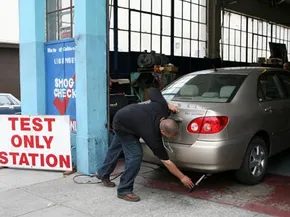
The EPA doesn’t just hand out a single number. It uses two distinct scores to judge your vehicle’s environmental footprint. The first is the air pollution score. This metric focuses on tailpipe emissions that directly degrade local and regional air quality. Think smog. Haze. The stuff that makes your eyes water on a hot afternoon. These issues stem largely from carbon emissions.
Vehicles get rated on a 1 to 10 scale. One is the dirtiest. Ten is the cleanest. It’s straightforward. You can instantly see which models are best for eco-friendly driving.
Why Greenhouse Gas Scores Matter
The greenhouse gas score operates differently. It has a broader scope. It factors in fuel efficiency. This means it estimates miles per gallon during city trips and highway runs. These numbers are not hidden. You’ll find them on window stickers for new cars. They appear in the annual Fuel Economy Guide published by the EPA and the Department of Energy. Dealerships have them. Public libraries keep copies. You can also check fueleconomy.gov.
The purpose of this score is specific. It highlights vehicles that travel the same distance as another car but burn less fuel. Lower fuel consumption means lower emissions of greenhouse gases. Carbon dioxide. Nitrous oxide. Methane. These are the main culprits. Like the air pollution score, this uses a 1 to 10 scale. A higher number means your car contributes less to global warming and climate change.
Fuel Types and Lifecycle Counts
Carbon emissions vary by fuel type. Every fuel burns differently. The carbon released from gasoline over one mile is not the same amount as that from diesel or clean natural gas. The EPA scores take this into account. They consider petroleum-based fuels like gasoline and diesel. They also include renewable options like E85.
The agency looks at the whole lifecycle of these fuels. This includes extraction. Refining. Distribution. But there is a gap. The EPA does not count vehicle manufacturing in its score. If you want a truly green car, you need to investigate that part yourself.
For more details on vehicle emissions standards and green driving, check the resources linked on the next page.
Related Articles
- Are hybrid cars slower than regular cars?
- Can owning a hybrid car get me an HOV decal?
- Do hybrid cars cause pollution?
- How Electric Car Conversion Kits Work
- How Exhaust Heat Recovery and Recirculation Works
- How Hybrid System Indicators Work
- How Instant MPG Readout Works
Sources
- Motavalli, Jim. “Obama to Raise Fuel-Economy Standards.” The New York Times. May 19, 2009.
- U.S. Environmental Protection Agency. “About the ratings.” May 25, 2009.
- U.S. Environmental Protection Agency. “Green Vehicle Guide.” May 27, 2009.
- U.S. Environmental Protection Agency. “Human-related sources and sinks of carbon dioxide.” Feb. 18, 2009.